Ancient Greece
Alexander the Great: A Comprehensive Summary
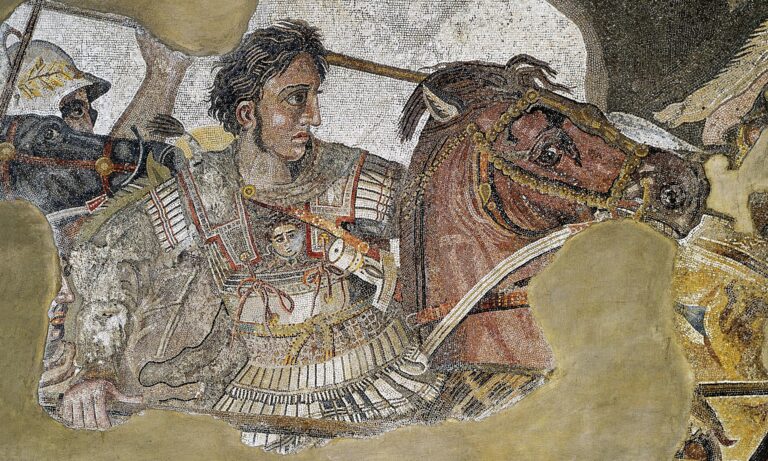
Alexander the Great ruled over Classical Greece and was one of the most important military figures in all of world history.

Alexander the Great ruled over Classical Greece and was one of the most important military figures in all of world history.
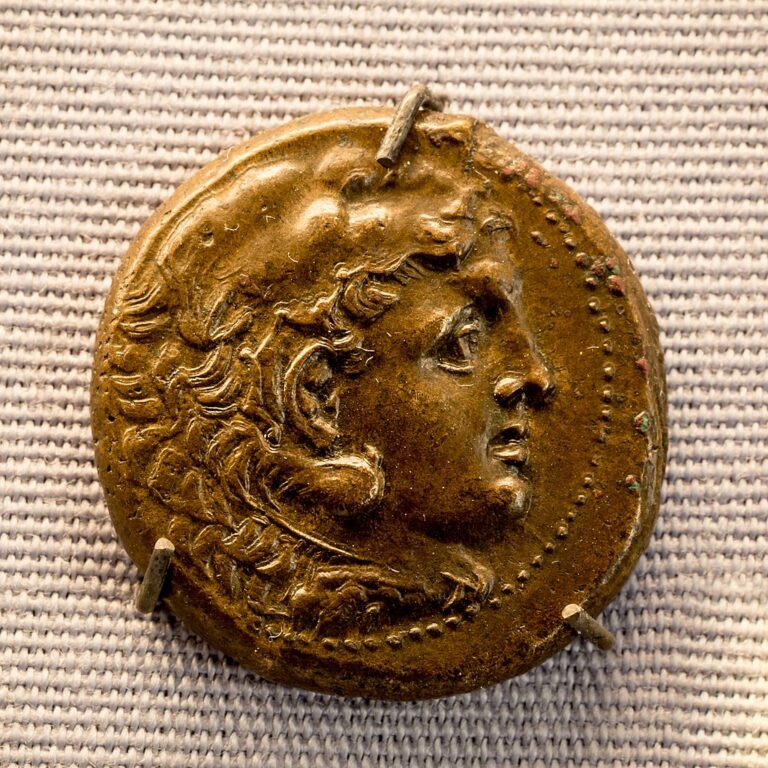
The economy of ancient Greece centered on aspects such as: agriculture, trade, and manufacturing. Learn how the economy shaped the society and influenced the daily life of the ancient Greeks.
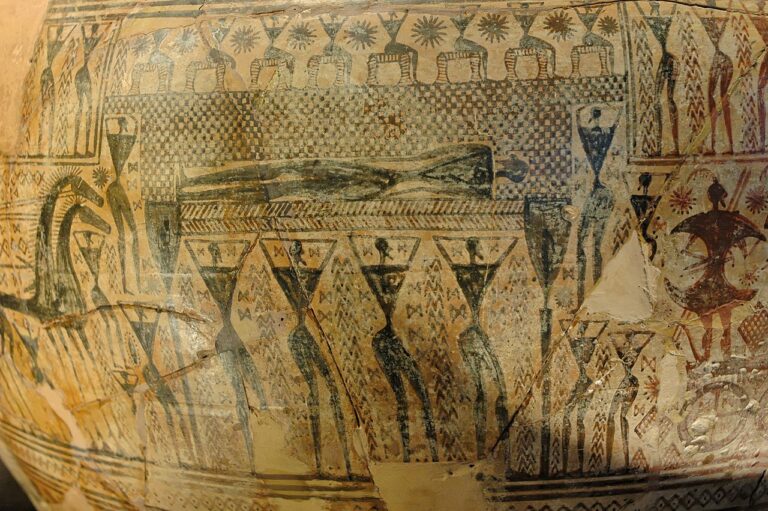
There were 4 historical periods of Ancient Greece, including: Archaic Period, Classical Period, Hellenistic Period and the Roman Period.
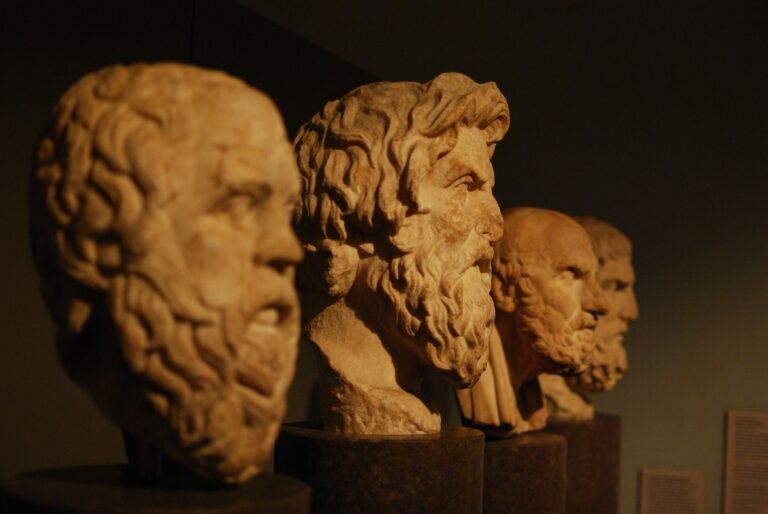
Philosophy in Ancient Greece played an important role in the culture and education of the Ancient Greek people.
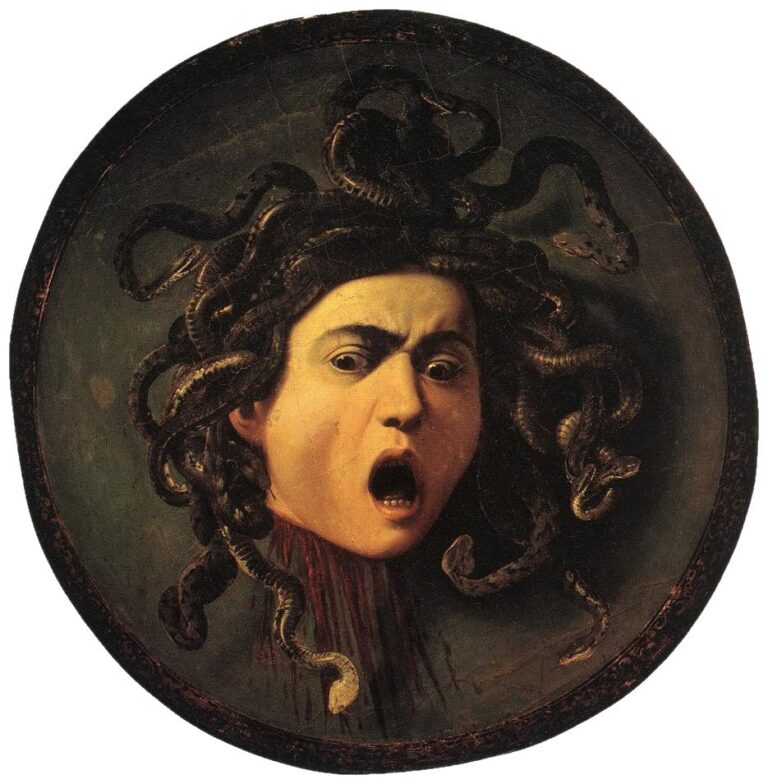
Medusa was an interesting figure from ancient Greek mythology. Her myth played an important role in ancient Greek culture and continues to be significant still today.
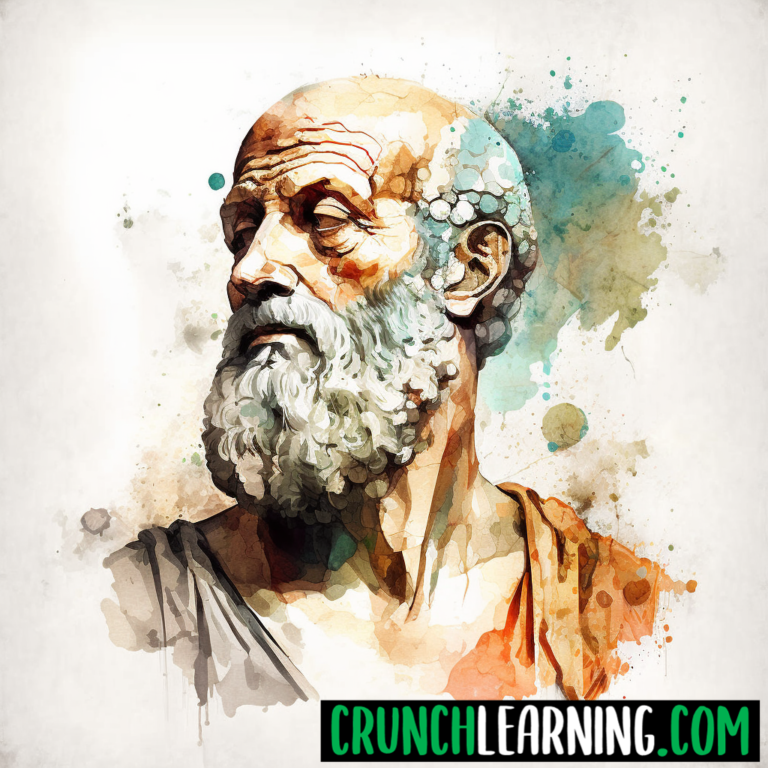
Hippocrates was an important figure in ancient Greek medicine and contributed to the development of ancient Greek culture and scientific understanding.
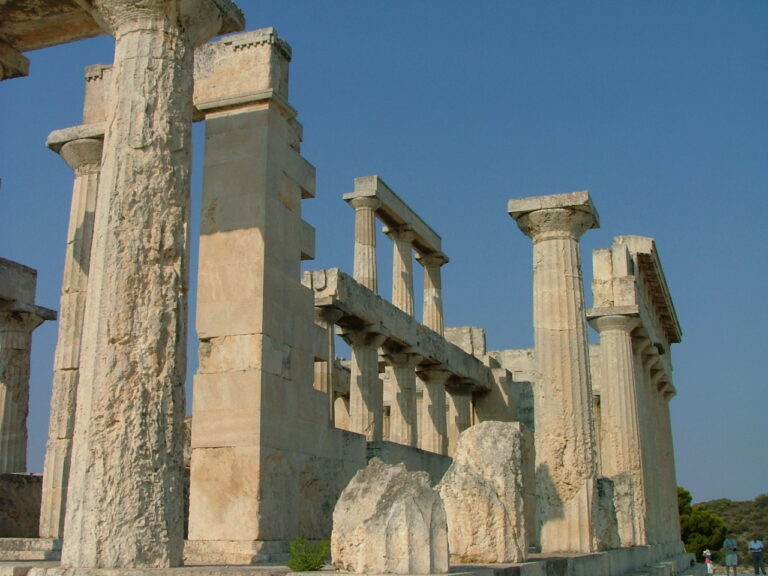
Art and Architecture in Ancient Greece were both important aspects of Ancient Greek culture, and included sculptures, pottery and temples.
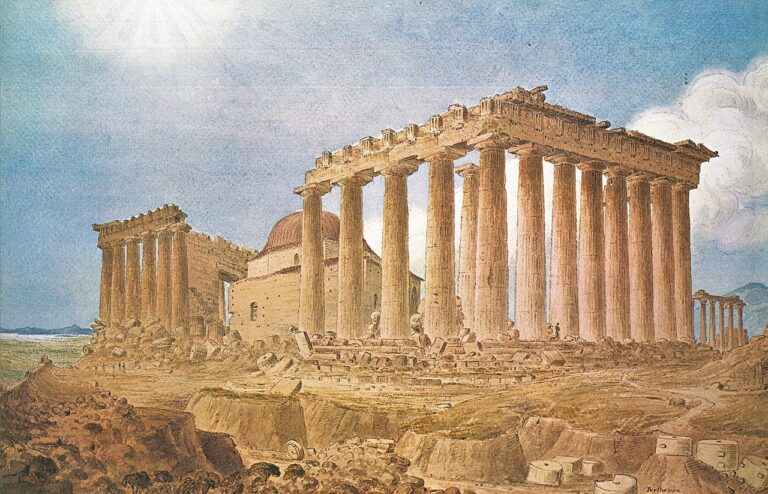
The Parthenon of Athens was one of the most magnificent structures in all of Ancient Greece.