Migration in the Great Depression was an important aspect of the era of the 1930s. For instance, the economic hardships of the time led to millions of people seeking new work and housing opportunities in different areas of the country. As well, the devastation of the Dust Bowl led to numerous farming families seeking new lives in other avenues of life.
WHAT WAS THE GREAT DEPRESSION?
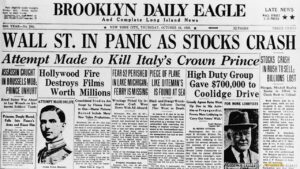
The Great Depression was a significant event in world history and was of particular importance to American history. It was a worldwide economic recession that occurred primarily during the 1930s. A recession is a term that refers to a general economic downturn resulting in high levels of unemployment and a loss in consumer spending. As a result, during the Great Depression, many people struggled to find work while businesses struggled to survive with an overall reduction in the sales of goods and services. Historians have identified several different causes of the events of the Great Depression, including: the stock market crash of 1929, the purchasing of stocks on margin, the wide income gap between the wealthy and the poor, the loss of consumer spending, the failure of banks to deal with the crisis, protectionism and the weather conditions of the American Midwest.
MIGRATION IN THE GREAT DEPRESSION – WORK AND HOUSING
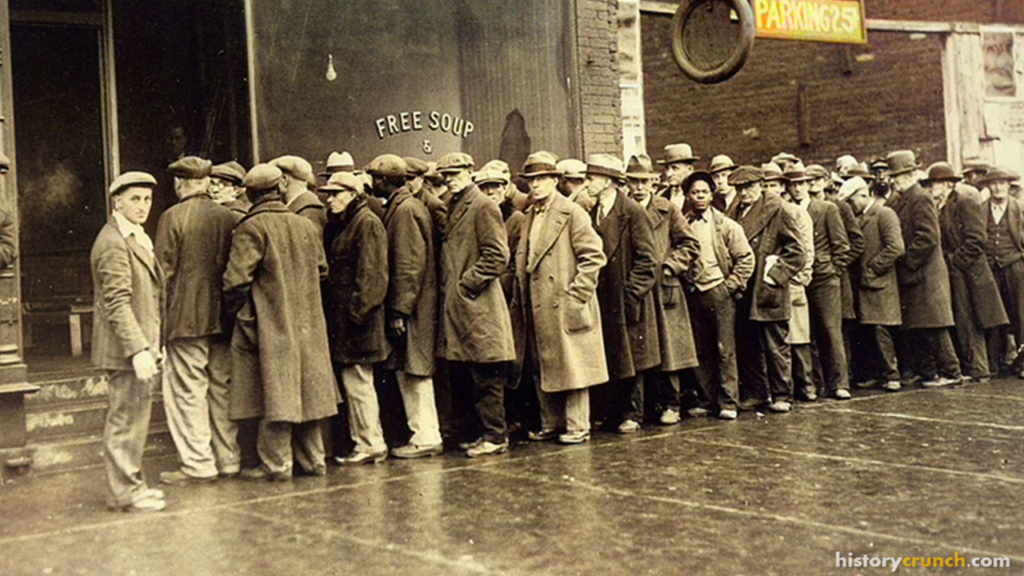
A key feature of the Great Depression in the United States was the high levels of unemployment that resulted from the Stock Market Crash of 1929. For example, at the heights of the Great Depression the unemployment rate reached as high as 25%. Due to this high level of unemployment, life for many people in the Great Depression was difficult. In particular, poverty among the working-class was widespread during the Great Depression and it impacted their lives in several ways including: housing, travel, and quality of life.
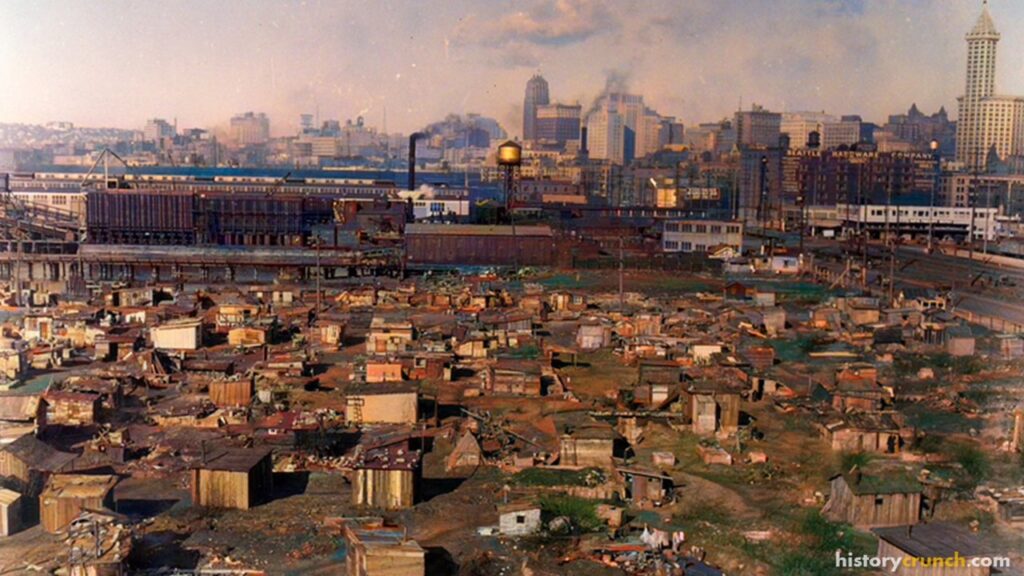
For example, the lack of income meant that people could not afford basic housing. Many people had their homes or farms foreclosed on by the banks. This means that because the people could not make payments the bank forced them out of their property. As such, the Great Depression caused many people to search for other ways of life and led to high levels of homelessness. For instance, a common feature of the Great Depression in the United States was the establishment of shantytowns or ‘Hoovervilles’. These shantytowns were often built on the edges of major cities, and were named after United States President Herbert Hoover. He was the President during the start and early years of the Great Depression in the United States and was blamed for many of the hardships by the working-class people. At the height of the Great Depression, there were thousands of Hoovervilles across the United States and hundreds of thousands of people made their homes in these shantytowns. Life in these Hoovervilles was difficult and caused many people to migrate throughout the United States in search of better opportunities elsewhere.
MIGRATION IN THE GREAT DEPRESSION – DUST BOWL
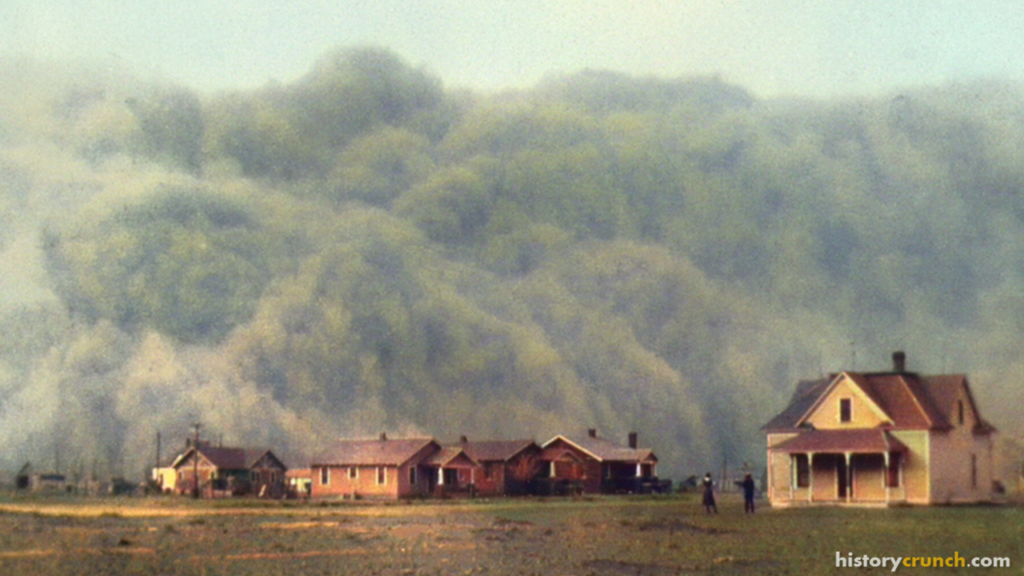
Migration was a central component of life for many struggling working-class people in the United States during the Great Depression. This was likely best seen in the events of the Dust Bowl from the American Midwest. The Dust Bowl is the term used to refer to the drought conditions that occurred across North America during the 1930s and the time period of the Great Depression. Also referred to as the Dirty Thirties, the Dust Bowl affected over 100,000,000 acres of agricultural land across Canada and the United States.
In the United States, it was generally centered on farms in Colorado, Kansas, Oklahoma and Texas. This region of the United States was a historically dry area and received a relatively low amount of rain per year. As well, the area had a thin layer of top soil that had traditionally only supported dry grasses. As such, it was not ideal for extensive farming which was one of the causes for the devastation of many farms at the time. For example, farming practices used at the time that led to the ‘over-farming’ of the region included: deep plowing and mechanization. When strong winds hit the region, it quite literally caused entire fields to be swept away across the country. The dust was lifted high into the air and caused a blackening of the sky, and many people referred to them as ‘black blizzards’. Throughout the 1930s, many wind storms destroyed the farms on the plains of Canada and the United States, and were so powerful that dust affected major cities, such as: Chicago and New York. Because of the Dust Bowl, many families were forced from their farms. Farmers had already been struggling due to small family farms being bought out and replaced by larger ones which relied more on mechanization. As such, when the drought hit the area many were unable to pay their debts and forced off of the land by the banks.
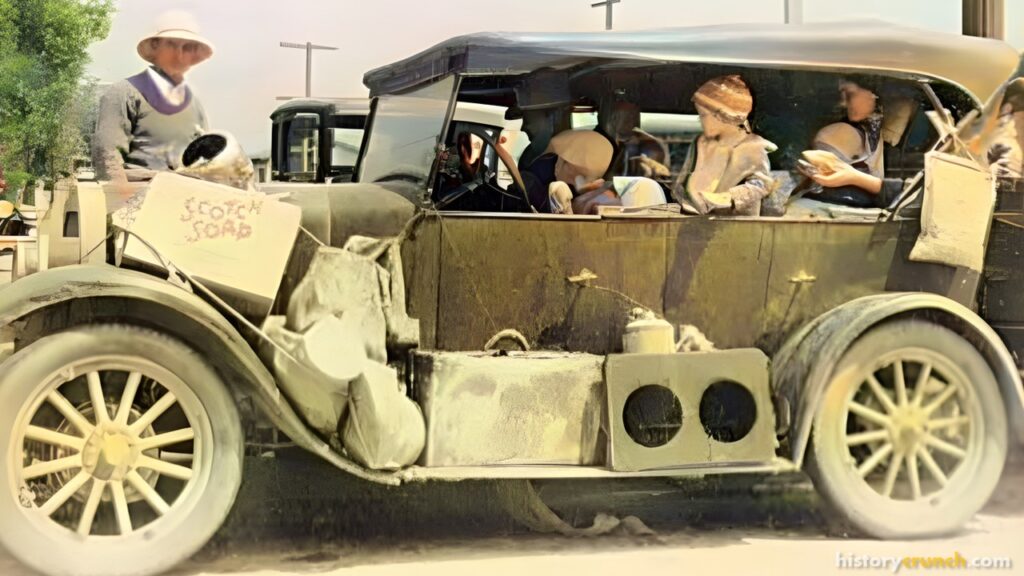
In total, the Dust Bowl left over half a million Americans homeless and caused a migration of over three million people out the American Midwest. Famously, many of them relocated to the west coast in hopes of finding employment in other agricultural work, but were often met with the harsh unemployment caused by the Great Depression, which was devastating all parts of the country at that time. Entire families loaded all of their belongings onto their vehicles as they made the arduous journey out of the drought-stricken area. The Dust Bowl migration remains the largest migration in United States history, which occurred over a relatively short period of time.