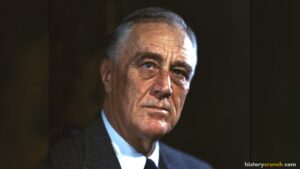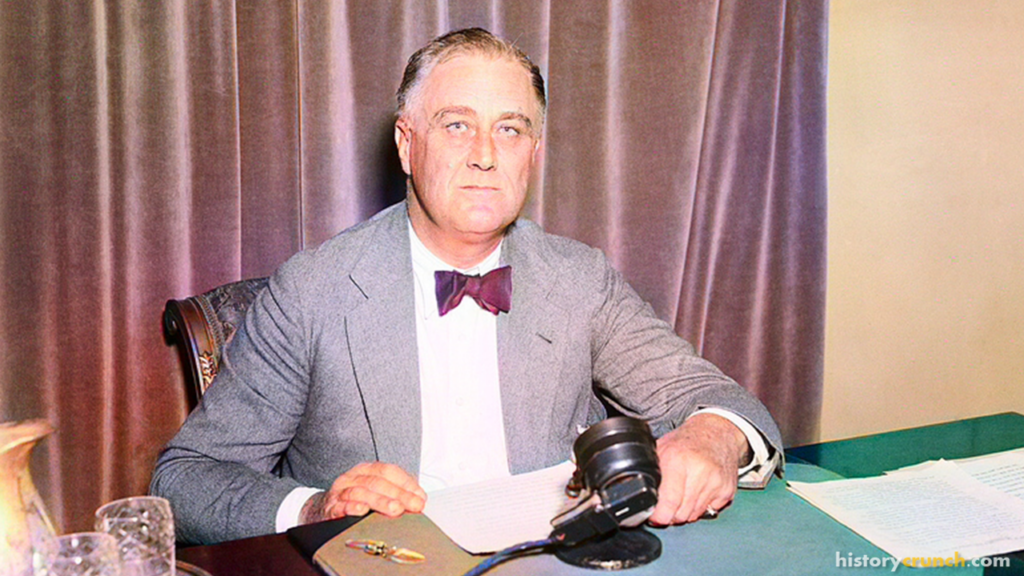
Franklin D Roosevelt’s Fireside Chats were important aspects of American history in relation to the time of the Great Depression and World War II. This was one of the most challenging periods in American history and President Franklin D. Roosevelt’s Fireside Chats provided a crucial source of hope and reassurance to the American people. These radio broadcasts, initiated during the Great Depression, allowed Roosevelt to speak directly to the American people, explaining his policies and creating a sense of connection and trust. In total, there were 30 Fireside Chats that occurred between March 12th, 1933 and June 12th, 1944.
FRANKLIN D. ROOSEVELT’S FIRESIDE CHATS – ORIGINS AND FORMAT
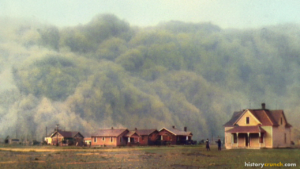
Franklin D. Roosevelt was elected President of the United States in 1932, during the early years of the Great Depression. In short, the Great Depression was a period from 1929 to the end of the 1930s that was a time of harsh economic struggles for most people. Faced with widespread economic hardship and growing public frustration, Roosevelt needed an effective way to communicate his plans and restore confidence. As such, he believed that regular radio addresses allowed him the opportunity to speak with the people directly about the problems facing the nation.
The first of Roosevelt’s Fireside Chats took place on March 12th, 1933, shortly after Roosevelt’s inauguration. The main issues that he addressed was the banking crisis, and Roosevelt used the opportunity to explain his decision to close the banks temporarily and the measures being taken to stabilize the financial system. This initial chat set the tone for future broadcasts, emphasizing clear communication and reassurance to the American people.
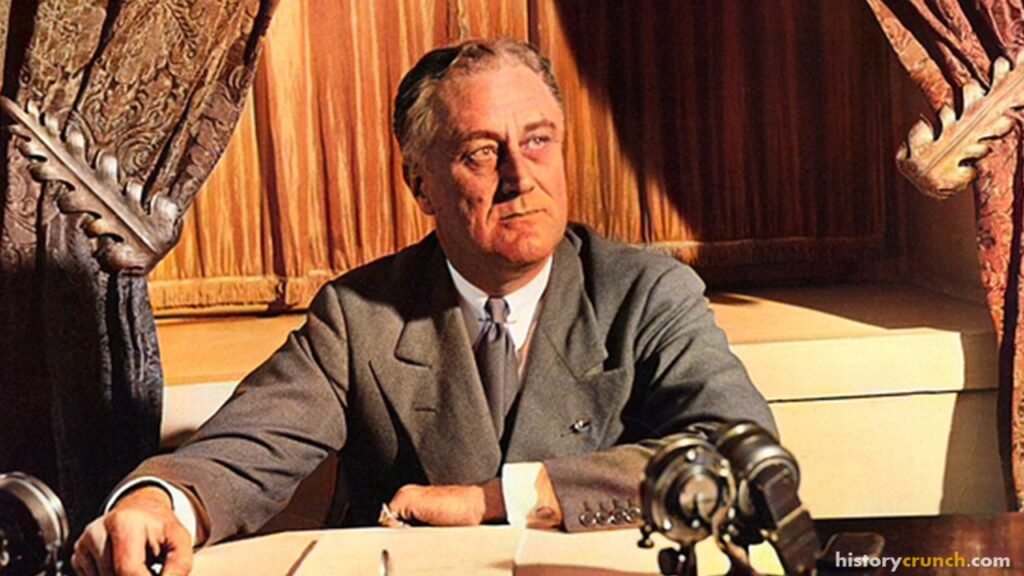
In fact, Roosevelt’s Fireside Chats were characterized by their informal, conversational tone. Unlike typical political speeches, these broadcasts felt personal and intimate, as if Roosevelt were speaking directly to each listener in their living room. This approach helped him to educate the American public on the complex issues of the time and make them more accessible to the general public. For example, Roosevelt deliberately used simple, straightforward language in his Fireside Chats. He explained his policies and decisions in a way that was easy to understand. This clarity helped build trust and ensured that his messages reached a broad audience, which was important as the United States navigated the hardship of the Great Depression and the events of World War II.
FRANKLIN D. ROOSEVELT’S FIRESIDE CHATS – IMPACTS
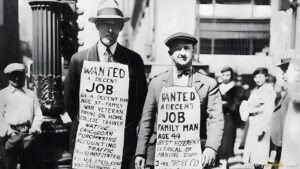
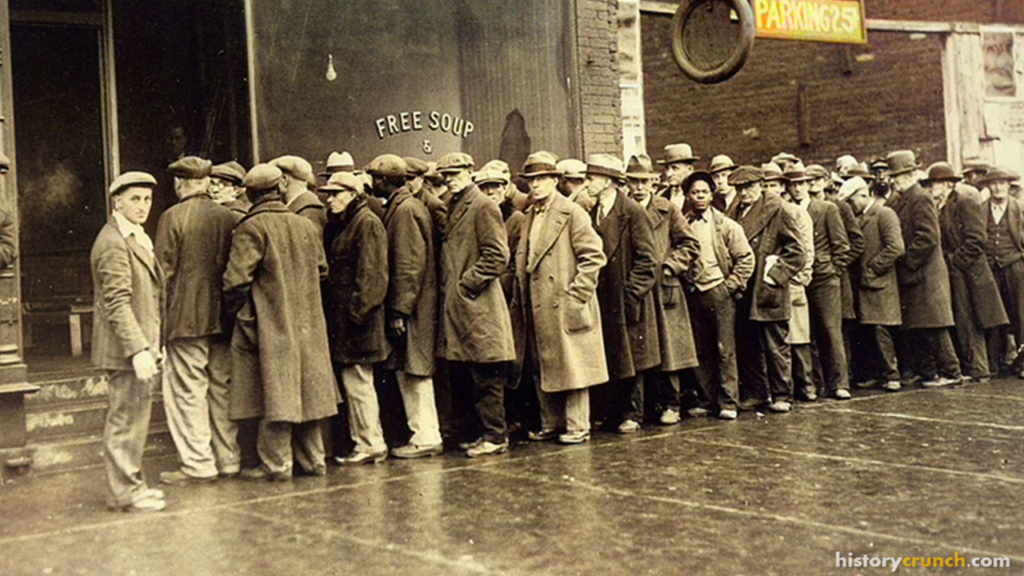
As mentioned above, the Fireside Chats occurred during one of the most difficult times in all of American history. One of the most significant impacts of Roosevelt’s Fireside Chats was their role in restoring public confidence during such a difficult period. For example, during the Great Depression, many Americans were fearful and uncertain about the future. There was mass unemployment and working-class people across the country genuinely struggled to survive. Roosevelt’s calm and reassuring demeanor helped to calm these fears and instill a sense of hope.
Also, Roosevelt’s Fireside Chats were important in terms of building public support for Roosevelt’s New Deal policies. By explaining the rationale behind his actions and the benefits they aimed to achieve, Roosevelt gained widespread support for initiatives such as the Social Security Act, the Civilian Conservation Corps, and the Works Progress Administration. These were all from the New Deal, which was Roosevelt’s program to bring the United States out of the depths of recession in the Great Depression. As such, the Fireside Chats impacted the development of the programs related to the New Deal.
Finally, Roosevelt’s use of radio technology allowed him to reach millions of Americans directly, bypassing traditional media filters. This direct connection helped to humanize the president and make him more relatable. The sense of personal connection created by the Fireside Chats contributed to Roosevelt’s enduring popularity as President of the United States.
FRANKLIN D. ROOSEVELT’S FIRESIDE CHATS – IMPORTANT CHATS
BANKING CRISIS (MARCH 12th, 1933)
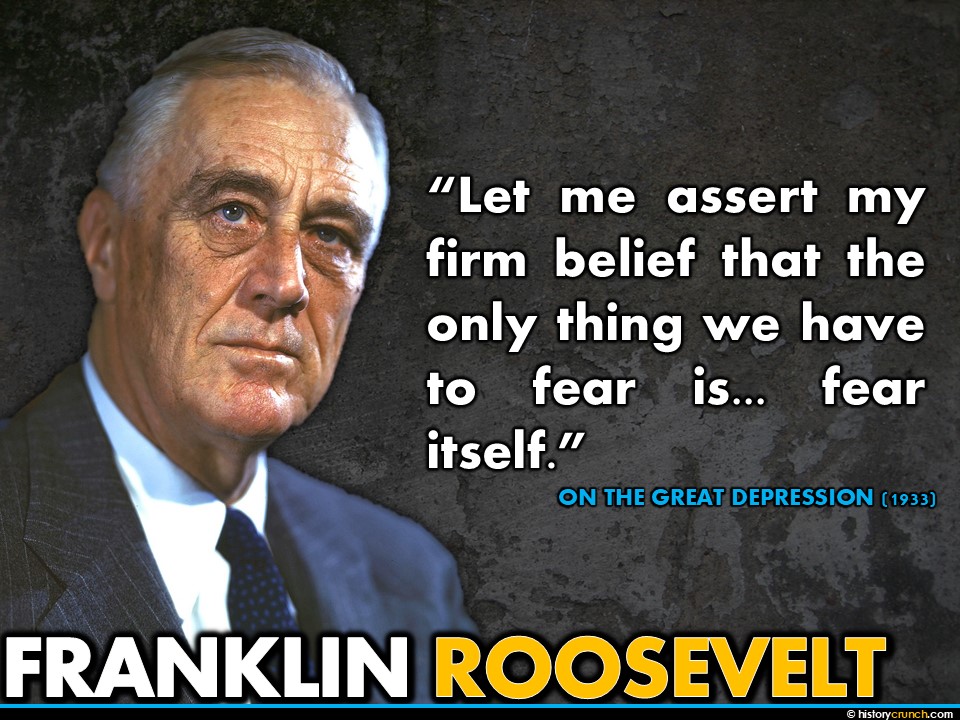
In his first Fireside Chat, Roosevelt addressed the banking crisis that was gripping the country at the time. He explained the reasons for the bank holiday, which helped to calm the public and prevent further bank runs.
THE NEW DEAL (MAY 7th, 1933)
In this chat, Roosevelt outlined his New Deal programs, describing how they aimed to provide relief, recovery, and reform during the Great Depression. He detailed specific initiatives and encouraged public participation and support.
THE WAR EFFORT (DECEMBER 9th, 1941)
Following the attack on Pearl Harbor in December of 1941, Roosevelt used a Fireside Chat to inform the nation about the state of the war and the government’s response. This broadcast rallied the public and led to the eventual American entry into World War II.