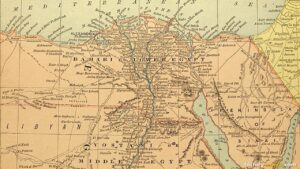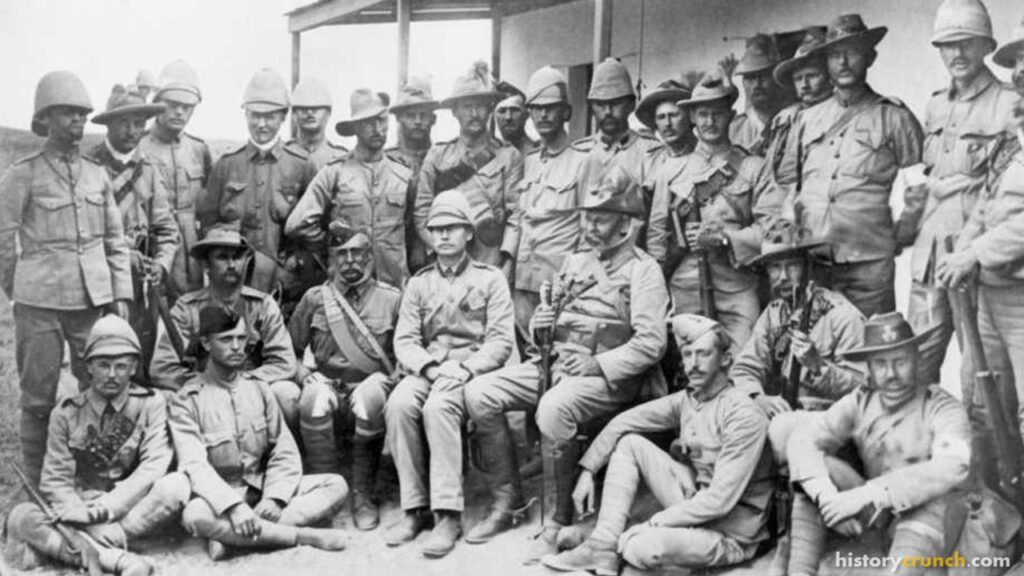
European rule in Africa during the Age of Imperialism is an important topic to the history of both Europe and Africa. In fact, the major European powers (Britain, France, Portugal, Belgium, Germany, Italy, etc.) colonized and controlled almost all of Africa during the events of the Scramble for Africa, which took place from about 1870 until the outbreak of World War I in 1914. During these years, the major European powers colonized and ruled over large sections of the African continent. For instance, they formed different types of colonial governments and ruled over the African people both directly and indirectly.

HOW DID EUROPE CONTROL AFRICA DURING THE AGE OF IMPERIALISM?
Once the European powers had carved up the continent of Africa amongst themselves they next established procedures and governments to rule over the territory and people. The European powers controlled their territory in Africa in several different ways. Some of these methods involved direct elements of control, while others were indirect. In general, historians have identified three different forms of European rule in Africa, including protectorates, spheres of influence and colonies.
Both protectorates and spheres of influence were indirect forms of control. For instance, a protectorate was when the European power ruled over a region of Africa by controlling the local traditional rulers. This meant that the European nation would exert its influence over the region by controlling the local ruler. In exchange, the European power would offer military protection to the people of the region, and the ruler that they made the agreement. This form of control was ideal for the European nations during the Age of Imperialism in Africa, because it allowed them to gain access to large sections of territory in Africa without being forced to commit many resources or soldiers.
As stated above, another form of indirect control that the European powers used in Africa were spheres of influence. A sphere of influence is the idea that a single European nation could claim exclusive rights over a region of Africa. The European powers usually did this when they wanted to control the trading rights of a region, but did not necessarily want to colonize and control the region directly. Similarly, to a protectorate, this allowed the European nations flexibility since they did not have to commit large amounts of forces or resources to claim a sphere of influence in Africa.
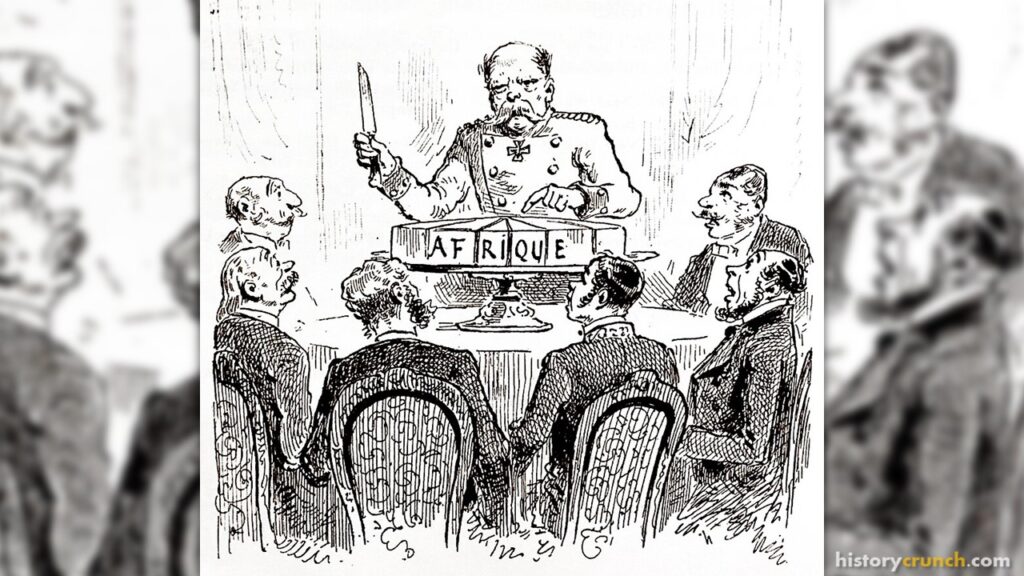
The final method of European control in Africa was when they established colonies. This was a direct form of rule, because it involved the European nations sending European officials, settlers and others to the territory in Africa. As such, a colony was a form of political and economic control that saw the European nations directly control the daily aspects of the colony. Obviously, establishing a colony was expensive and required a great deal of effort on behalf of the European nations. As such, the European powers generally established colonies during the years of the Scramble for Africa when it made political, economic and military sense for them.
Taken together, the governments of the European nations imposed their will on the people and regions of Africa in order to establish protectorates, spheres of influence and colonies. This process had a tremendous impact on the lives of African people that were both positive and negative in nature. For instance, it led to the development of infrastructure in Africa, but also destroyed traditional African culture and customs. Click on the link above to read more about the impacts that European colonial rule had on the people of Africa during the Age of Imperialism.