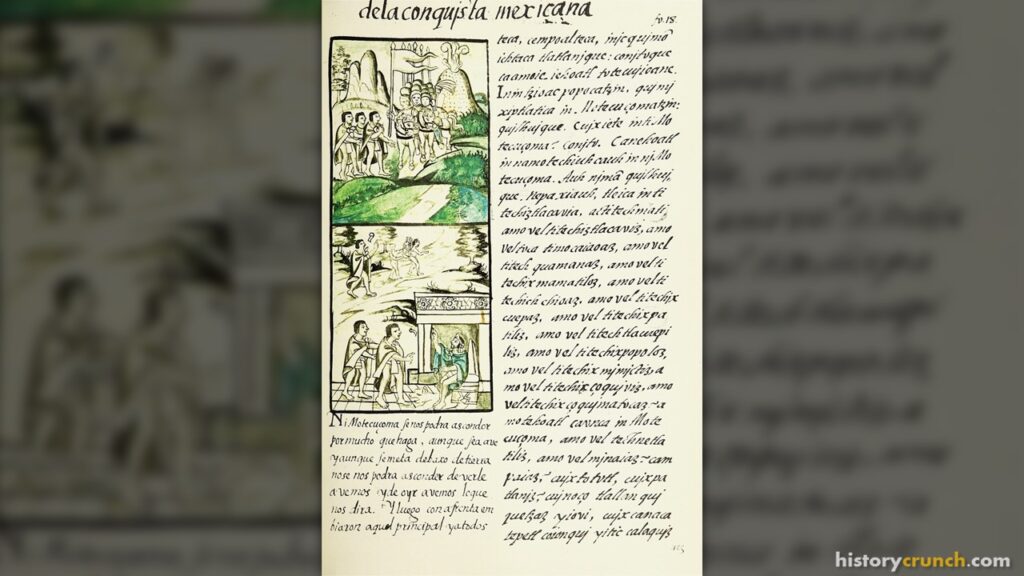
Aztec codices are some of the most important and studied historical records of pre-Columbian Mesoamerica, and detail the major aspects of Aztec daily life. For instance, these Aztec codices include references to everything from religious beliefs and astronomical knowledge to economic transactions and Aztec social customs.
WHO WERE THE AZTEC?
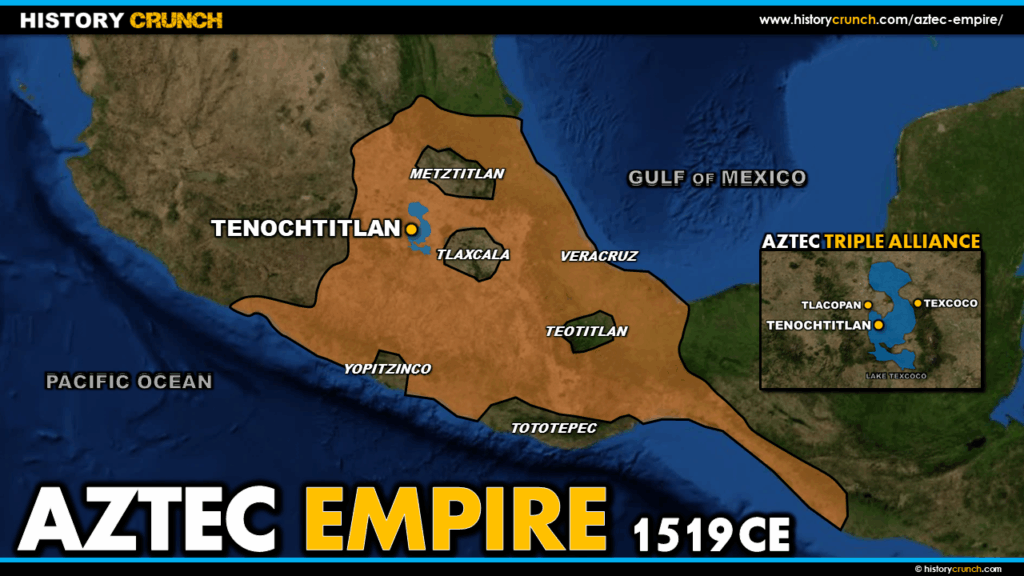
The Aztec Empire was a civilization in central Mexico that thrived in the time before the arrival of European explorers during the Age of Exploration. Throughout its history as a civilization the Aztec Empire expanded across much of central Mexico and other surrounding areas, to become the most dominant and powerful people in the region. Tenochtitlan, the main Aztec city (or altepetl), was the center of this vast empire. Much of the information that historians have today in regards to the Aztec come from the many different Aztec codices.
WHAT ARE THE AZTEC CODICES?
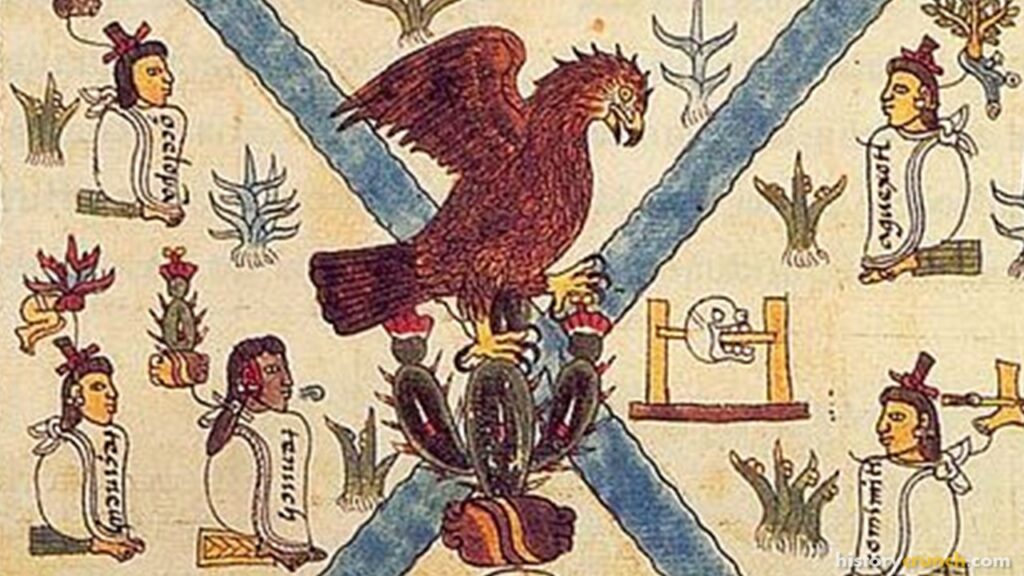
These are books containing Aztec writing that were created before, during and after the arrival of Europeans during the Age of Exploration. The codices are important to our modern understanding of the Aztec because they are some of the best first-hand accounts of Aztec history. The codices were not books in the same sense, as we understand them to be today. Instead, they were more like long, folded sheets that were made out of deer skin. As well, the Aztec had no known written language, and instead displayed their ideas in glyphs or pictures. This means that the Aztec wrote using images that represented the different words or themes of which they wished to express. The language of the Aztec is called Nahuatl, which was the dominant language of Central Mexico from as early as the 7th century CE. While historians and linguists have identified several different varieties of Nahuatl, it is best known as the language of the Aztecs from their rise to prominence in the 14th century until they were conquered by Spanish conquistadors in 1521. Most of the surviving Aztec codices are from the timeframe around European colonization of central Mexico, with very few remaining from before the arrival of European explorers.
AZTEC CODICES – THE FLORENTINE CODEX
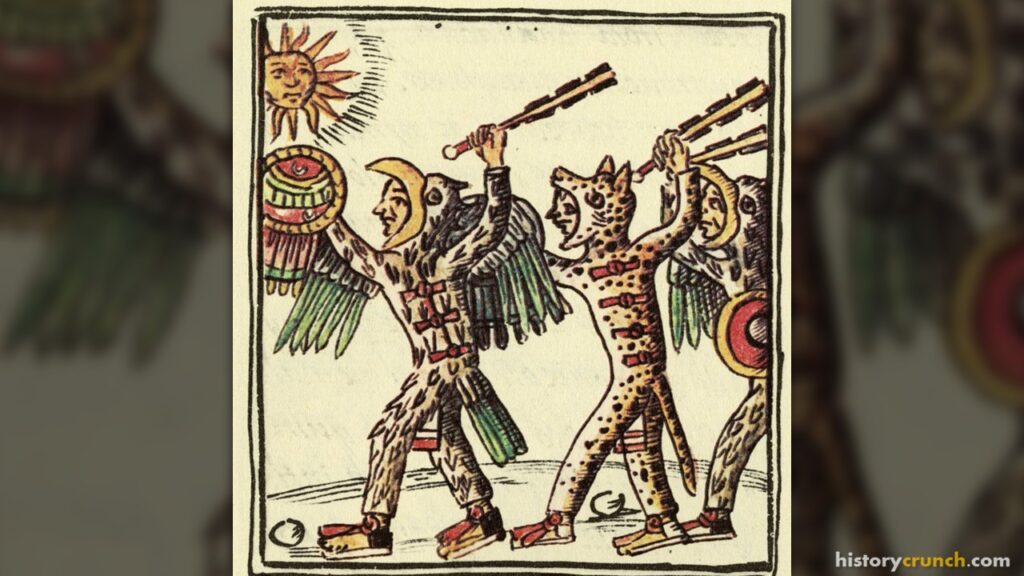
For example, the Florentine Codex is one of the best examples of an Aztec codex. It was created by Spanish Franciscan friar Bernardino de Sahagún from about 1545 until 1590. Sahagún worked with different Nahua men from the region to research and organize his findings in the Florentine Codex. In all, the work ended up filling twelve books totaling over 2400 pages. As well it included over 2000 pictograms drawn by Mesoamerican artists that depict the history and life of the Aztec people. While, Sahagún titled his work ‘The Universal History of the Things of New Spain’, it is more commonly known today as the Florentine Codex due to it currently being located in Florence, Italy. These surviving codices display the Aztec artistic representation of different aspects of their life, such as: cultural traditions, religious traditions, gods, ceremonies, historical events and more.
There are over 500 different surviving Aztec codices, with that the vast majority of them being from after the arrival of European explorers. Regardless, they remain important records of the Aztec and the history and significance of these Mesoamerican people.