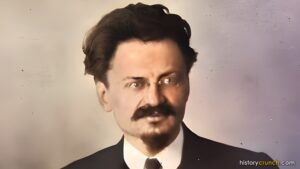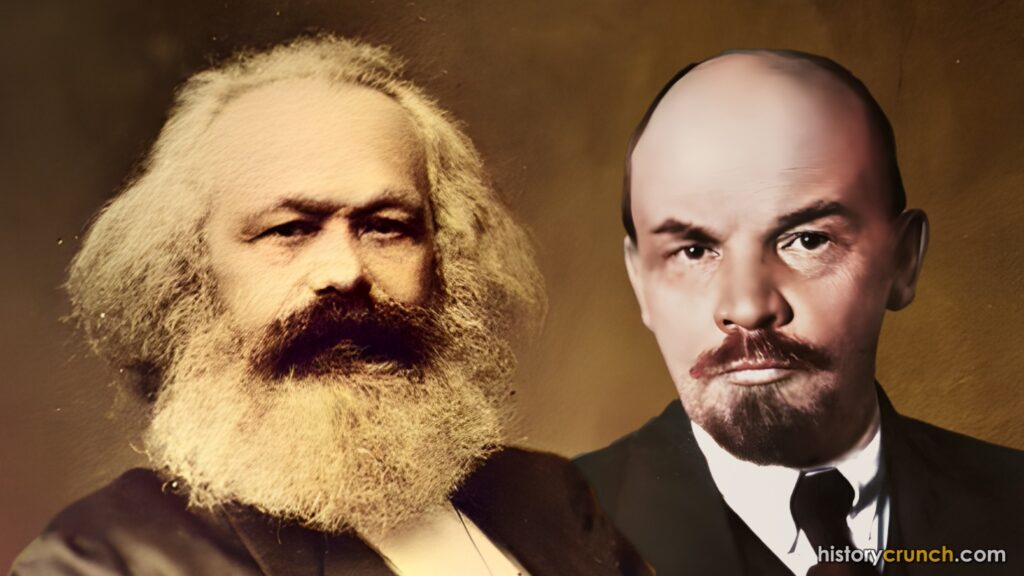
Marxist-Leninism, a political and economic ideology, emerged as an important set of beliefs in the 20th century, profoundly shaping the course of history, particularly in relation to the Russian Revolution of 1917 and the establishment of the Soviet Union in 1922. It was developed by Soviet leader, Vladimir Lenin, in combination with the basic principles of Marxism as outlined by Karl Marx. In short, Marxist-Leninism offered a guide for socialist revolution and the construction of a communist state. This article explores the historical development and core points of Marxist-Leninism.
Background of Marxist-Leninism
Marxist-Leninism emerged in response to the challenges of life in the 19th century and early 20th century. For instance, Europe (and other parts of the world) were undergoing an economic transformation at the time, due to the impacts of the Industrial Revolution. This situation created a mass of people who worked in industrial workspaces under terrible conditions. As such, Marxism emerged as a result of the perceived failings or shortcomings of laissez-faire capitalism that was the dominant force throughout much of the time of industrialization.
Vladimir Lenin, the leader of the Bolshevik Party in Russia, adapted Marxist theory to the conditions of Tsarist Russia, where industrialization lagged behind other parts of western Europe. The Bolsheviks, guided by Lenin’s leadership, successfully applied Marxist-Leninist principles in the October Revolution of 1917, which was part of the larger Russian Revolution of 1917. In fact, this ultimately led to the establishment of the world’s first socialist state, the Soviet Union.

Main Ideas of Marxist-Leninism
As stated above, Marxist-Leninism was the combination of Marxist theory with the political and economic views of Vladimir Lenin for Tsarist Russia in the early 20th century. Historians have identified several main ideas of Marxist-Leninism, which are important to understand. These main ideas included: the history of class struggles, the concept of vanguard party, views on capitalism, the idea of a ‘proletarian dictatorship’ and the concept of a centrally-planned economy.
Marxist-Leninists, inspired by Karl Marx, believe that throughout history, societies have been shaped by conflicts between different social classes. In fact, the concept of class struggle is a central principle of Marxism. Supporters of Marxist-Leninism argue that these struggles led to changes in how societies were organized and operated. In their view, the current stage involves a struggle between the working class (proletariat) and the ruling class (bourgeoisie).
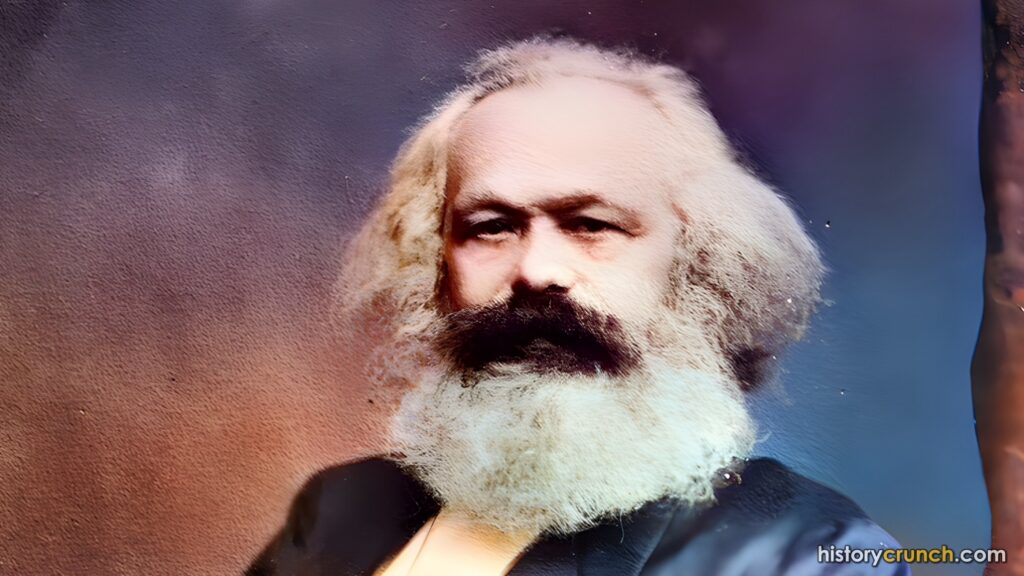
Secondly, Marxist-Leninists proposed the idea of the ‘dictatorship of the proletariat’. This doesn’t mean a single person ruling with absolute power; instead, it suggests that the working class should collectively hold power to reshape society in a way that benefits everyone, not just a few. This aligns with the central principles of socialism.
Next, Vladimir Lenin added to Marxism by introducing the concept of the ‘vanguard party’. Marxist-Leninists believe that a dedicated and educated group of individuals should guide the working class in their revolutionary efforts. This vanguard party, with a clear understanding of Marxist theory, was important to Marxist-Leninism because it was thought it could lead the way toward socialism.
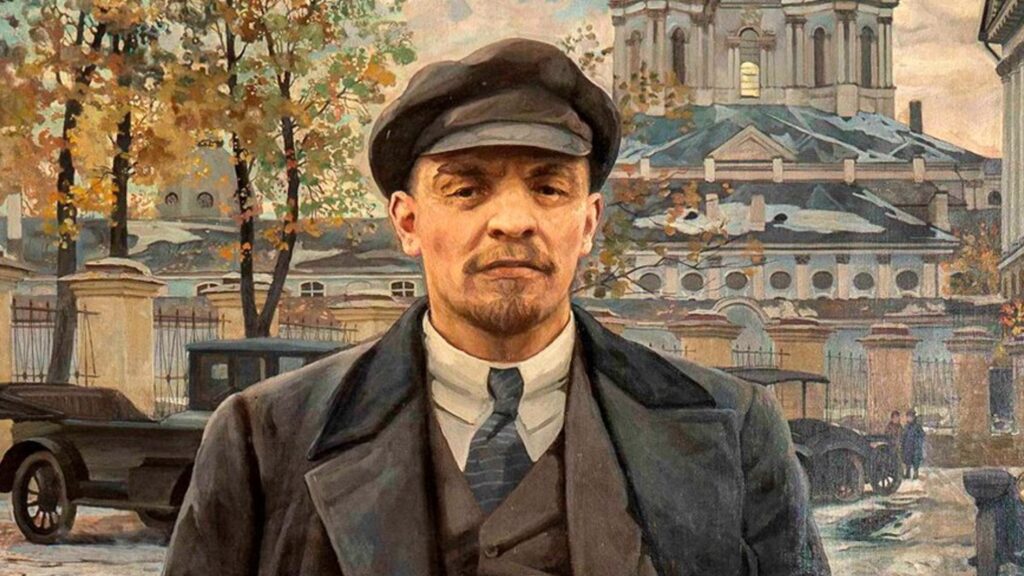
Furthermore, Marxist-Leninists see socialism as a transitional period between capitalism and communism. During this phase, the means of production (like factories and farms) are owned and controlled by the working class, and there is an emphasis on equality. As well, the state plays a role in managing this transition.
One of the main ideas of Marxist-Lenisnism was the idea of a centrally-planned economy. Instead of relying on the market, which is the preferred economic driver in capitalism, Marxist-Leninists advocate for a centrally-planned economy by the government. They believed that central planning, where the state organizes production and distribution, is more effective in meeting the needs of the people. The goal is to eliminate inequality and ensure everyone has access to resources.
Marxist-Leninism in the Soviet Union
The use of Marxist-Leninist ideas in the Soviet Union under Lenin and later under Joseph Stalin saw the nationalization of industry, collectivization of agriculture, and the establishment of a planned economy. The vanguard party, led by the Communist Party, exercised control over all aspects of the government and politics. While achieving rapid industrialization, the Soviet Union also faced criticism for authoritarianism and the suppression of dissent. As such, at its core, Marxist-Leninism went against the basic principles of democracy and capitalism. This difference was one of the main driving factors behind the emergence of the Cold War following World War II.
Criticisms of Marxist-Leninism
Marxist-Leninism, while influential, has faced substantial criticism. For instance, some argue that it led to the establishment of one-party states, central planning inefficiencies, and human rights abuses. For instance, examples of communism throughout the 20th century are filled with evidence of economic stagnation, political repression and a basic lack of rights. As such, Marxist-Leninism is generally highly criticized in modern capitalist democracies. With that said, the influence of Marxist-Leninism cannot be denied in terms of how it shaped Russia and the spread of communist ideals following the events of the Russian Revolution of 1917.