Ethnic cleansing is an important topic of world history and of particular significance in the 20th and 21st centuries. The topic of ethnic cleansing is also closely linked with the concepts of ‘genocide’ and ‘crimes against humanity’ since these also generally occur alongside ethnic cleansing.
The term ‘ethnic cleansing’ refers to the process by which one group attempts to remove another ethnic, racial, or religious group from a specific territory, either by forcing them to flee, expelling them by force, or killing them. The goal of ethnic cleansing is to make a region ethnically or religiously homogeneous by eliminating the presence of a particular group. Unlike genocide, which specifically targets a group for destruction, ethnic cleansing is primarily focused on the removal of a group from a territory. However, the two concepts often overlap, as mass killings are frequently used as a tool of ethnic cleansing. There have been many significant examples of ethnic cleansing throughout history, such as: the Armenian Genocide, the Holocaust, the expulsion of Germans from Eastern Europe after World War II, the Bosnian Genocide, the Rwandan Genocide, and the Darfur Genocide. The term ‘ethnic cleansing’ itself became widely used in the 1990s during the conflicts in the former Yugoslavia, though the practice it describes has occurred throughout human history. The United Nations has recognized ethnic cleansing as a violation of international law and has addressed it through various resolutions, tribunals, and the work of the International Criminal Court.
ETHNIC CLEANSING – TYPES
There is no single international legal definition of ethnic cleansing in the way that genocide is defined by the United Nations Genocide Convention of 1948. However, the United Nations Commission of Experts, which was established to investigate events in the former Yugoslavia in the 1990s, described ethnic cleansing as rendering an area ethnically homogeneous by using force or intimidation to remove people of other groups from the area. In general, ethnic cleansing is carried out through a range of methods, including:
- Murder and Mass Killing of Members of a Particular Group
- Forced Deportation or Expulsion from a Territory
- Destruction of Homes, Villages, and Cultural Property
- Rape and Sexual Violence Used as a Weapon of Terror
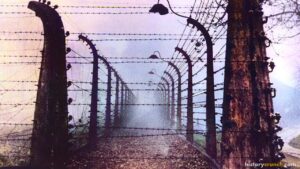
- Internment in Concentration Camps or Detention Facilities
- Siege and Starvation of Civilian Populations
- Intimidation, Threats, and Psychological Terror to Force Departure
- Destruction of Religious Sites, Monuments, and Cultural Heritage
These methods are often used in combination with one another. Historians and legal scholars consider ethnic cleansing to be a crime under international law because the methods used to carry it out typically constitute war crimes, crimes against humanity, or genocide as defined by international legal frameworks such as the Geneva Conventions and the Rome Statute of the International Criminal Court.
ETHNIC CLEANSING – THE UNITED NATIONS
The creation of the United Nations is important to the history of ethnic cleansing, as it was established in part to help prevent or stop mass violations of human rights, which had been particularly common during the Second World War and the events of the Holocaust.
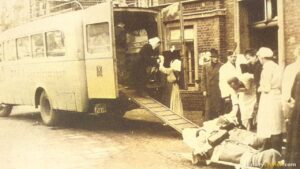
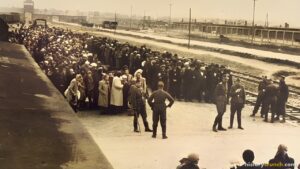
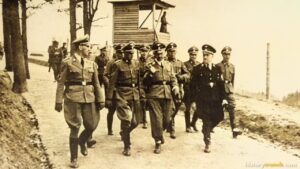
The Holocaust is one of the most significant examples of ethnic cleansing in the 20th century and helped lead to the recognition of ethnic cleansing and related crimes as distinct topics of international law. The major events of the Holocaust occurred throughout the 1930s and 1940s during the reign of the Nazi Party in Germany. The Nazi Party, under the leadership of Adolf Hitler, systematically killed 11 million people in the Holocaust including as many as 6 million Jewish people. The Holocaust ended in 1945 with the defeat of Nazi Germany in World War II by the Allied countries. As a result of the events of the Holocaust and World War II, countries of the world united to establish the United Nations in 1945. The United Nations was created with the goal of preventing wars, genocide, ethnic cleansing, crimes against humanity and other major conflicts. The creation of the United Nations is important to the history of ethnic cleansing because it led to the first international efforts to hold the perpetrators of such crimes accountable. For instance, the first instance of this was the Nuremberg Trials following the events of the Holocaust and World War II.
During World War II, the Allied powers met several times to discuss post-war Europe and how to bring the Nazis to justice. For example, three significant conferences were held including: the Tehran Conference in 1943 and the Yalta Conference and Potsdam Conference in 1945. In general, the leaders initially disagreed on how to carry out justice. Winston Churchill of Britain and Joseph Stalin of the Soviet Union favored summary executions, meaning the officials would be killed without a trial. Whereas, U.S. President Franklin D. Roosevelt, and later Harry S. Truman, were in favor of a formal trial to ensure the collection and presentation of evidence in order to prove guilt. Eventually, the other leaders agreed with the American approach and the nations set out to establish the system of trials. The trials were established in the German city of Nuremberg after the conclusion of World War II.
The Nuremberg Trials began on November 19th, 1945 with indictments against twenty four captured Nazis and different Nazi organizations, including: Nazi leadership, the SS, the Gestapo, and the SA. The first charge was that the Nazis participated in a conspiracy to wage war and end the peace following World War I. The second charge was that the German leadership planned and carried out wars of aggression. The third charge was for war crimes and the fourth charge was for carrying out crimes against humanity. Of the twenty four Nazis tried at the Nuremberg Trials only five were found not guilty. The other nineteen were convicted and either sentenced to prison terms, including life in prison, or given a death sentence.
The Nuremberg Trials were significant because they were the first such ‘international’ trial and established a model for future trials. As well, the Nuremberg Trials helped establish a renewed interest in human rights issues. For instance, the United Nations was established with the goal of preventing similar future conflicts. Furthermore, the United Nations created the Universal Declaration of Human Rights in 1948 with the goal of restoring faith in basic human rights and to avoid future related war crimes, crimes against humanity and genocides.
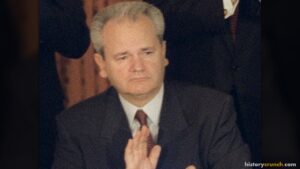
Following the Nuremberg Trials, the concept of holding perpetrators of ethnic cleansing and related crimes accountable became important again in the late 20th century. For example, there were similar courts and tribunals held for modern genocides, such as: the Cambodian Genocide, the Bosnian Genocide in the former Yugoslavia, and the Rwandan Genocide. The International Criminal Tribunal for the Former Yugoslavia (ICTY) was established by the United Nations in May of 1993 in order to prosecute the perpetrators of the ethnic cleansing and genocide that took place during the Bosnian War. The ICTY was located in The Hague, Netherlands and was tasked with judging the following: customs of war, genocide, and crimes against humanity. The maximum sentence it could impose was life imprisonment. In total, the ICTY oversaw the trials of 111 people and dissolved as an organization in December of 2017. In November of 1994, the United Nations created the International Criminal Tribunal for Rwanda (ICTR). It was established as a means of holding the perpetrators of the Rwandan Genocide accountable for their actions during the massacre. The court was located in Tanzania and oversaw trials centered around genocide and crimes against humanity. In all, it oversaw 50 trials which led to the convictions of 29 people deemed responsible for the genocide. The ICTR was dissolved in 2015 having completed its mandate. Furthermore, in 2001, the Cambodian government established the Khmer Rouge Tribunals for the purpose of trying leaders of the Khmer Rouge during the Cambodian Genocide. It was a national court established by the Cambodian government but supported by the United Nations with some international lawyers and judges. The full name for the tribunals was ‘Extraordinary Chambers in the Courts of Cambodia’ or ECCC.
Furthermore, the International Criminal Court (ICC) was established in 2002 in The Hague, Netherlands. In general, the ICC seeks justice in claims related to genocide, crimes against humanity, and war crimes, including acts of ethnic cleansing. The ICC was created at a Conference in Rome in 1998 and the treaty that was agreed upon at the time is now called the Rome Statute of the International Criminal Court. Not only did the Rome Statute create the ICC but it also laid out the framework for how the ICC was structured and its jurisdiction over the crimes listed above.
ETHNIC CLEANSING – SIGNIFICANT EXAMPLES
There have been many significant acts of ethnic cleansing throughout the 20th and 21st centuries. As such, organizations such as the United Nations and the International Criminal Court have worked to bring those responsible for these crimes to account. The following are some of the most significant examples of ethnic cleansing in modern history:
- The Armenian Genocide (Ottoman Empire, 1915 to 1923)
- The Holocaust (Nazi Germany, 1933 to 1945)
- The Expulsion of Germans from Eastern Europe (1944 to 1950)
- The Partition of India (1947)
- The Bosnian Genocide (Former Yugoslavia, 1992 to 1995)
- The Rwandan Genocide (Rwanda, 1994)
- The Darfur Genocide (Sudan, 2003 to present)
While some of the perpetrators of these acts of ethnic cleansing have faced justice through international tribunals and the International Criminal Court, many either died, avoided capture, or were never held fully accountable for their actions.