Battle of Saint-Mihiel in World War I: A Detailed Summary

Facebook
X
Reddit
Pinterest
LinkedIn
Battle of Saint-Mihiel
The Battle of Saint-Mihiel was a significant American-led offensive during World War I.

TABLE OF CONTENTS

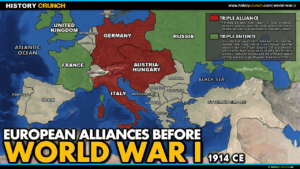
The Battle of Saint-Mihiel in World War I was an important conflict that was fought between the Allied Powers of France and the United States against the Central Powers of Germany and the Austro-Hungarian Empire.

The Battle of Saint-Mihiel was an important battle of World War I that was fought along the Western Front.  This was the line of fighting that occurred in the trenches that stretched through Belgium and northern France.  The Battle of Saint-Mihiel was fought in 1918 between the Allied Powers of France and the United States against the Central Powers of Germany and the Austro-Hungarian Empire.  Historians consider the Battle of Saint-Mihiel to be a significant battle in the history of the United States and its role in World War I.​

WHEN AND WERE DID THE BATTLE OF SAINT-MIHIEL OCCUR?

The Battle of Saint-Mihiel in World War l occurred from September 12th to the 15th in 1918.  As stated above, the Battle of Saint-Mihiel took place in Northern France and was fought between the Allied Powers (United States and France) and the Central Powers (Germany and Austria-Hungary).  During the course of World War I, the region of Saint-Mihiel had been controlled by Germany as a salient (bulge-like formation that protruded into French territory), which allowed Germany a reasonable amount of control over the area.​ However, in 1918, American General, John J. Pershing, proposed an Allied attack against the Germans in Saint-Mihiel, as he believed it would create an opening for Allied troops to advance into Germany.

WHAT HAPPENED DURING THE BATTLE OF SAINT-MIHIEL IN WORLD WAR I?

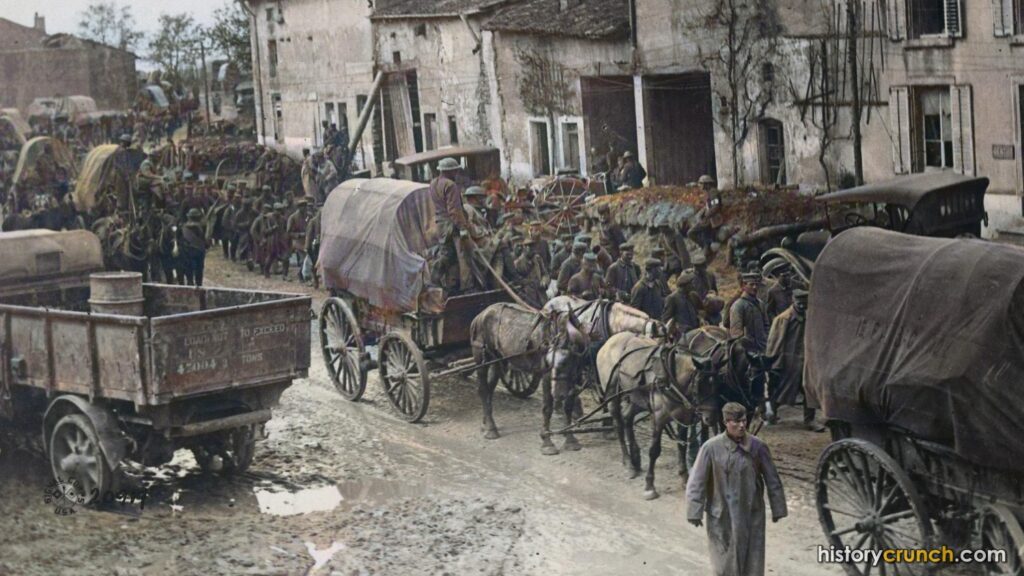
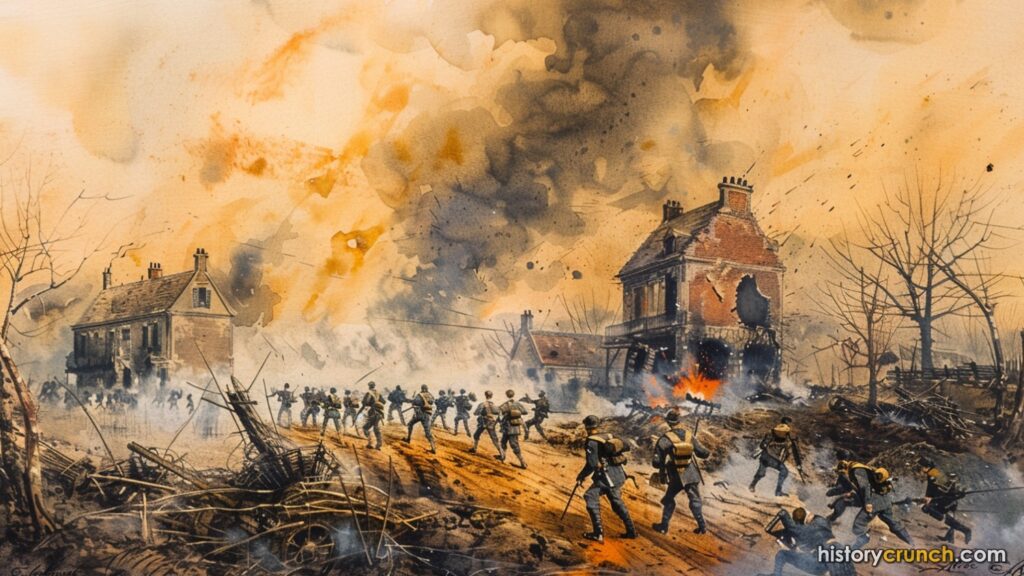
The American First Army began the attack on September 12th, 1918, when several American divisions advanced into the southern portion of the German-controlled Saint-Mihiel salient.  French forces supported the assault by advancing on the western section of the salient.  Part of the goal of the attack was the capture the French city of Metz, which was an important railroad center that Germany used to control transportation and communications in the region.  As such, the French and American forces pushed into the Saint-Mihiel salient, towards the city of Metz.​

Tanks in World War I
French World War I Renault FT-17 tank during the Battle of Saint-Mihiel. (Colorized by historycrunch.com)

Another important aspect of the Battle of Saint-Mihiel, was the use of Allied aircraft and tanks.  For instance, during the battle, the Allies mobilized over 1,400 aircraft that provided air support to the troops on the ground.  As well, the aircraft ensured Allied control of the air during the battle.   Also, American General John J. Pershing mobilized several tank divisions that advanced alongside the infantry divisions.  The combination of soldiers, aircraft and tanks allowed the Allies to advance into the Saint-Mihiel salient with little opposition from the German defenders.  The battle was over just days later on September 15th, with the American forces capturing all of the objectives that they had set out to accomplish.
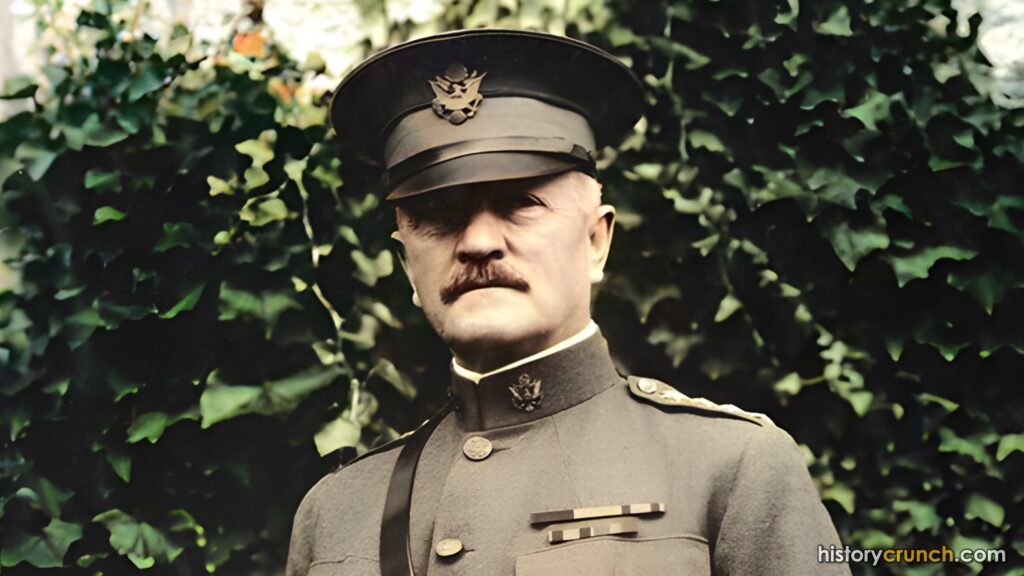
America WW1 Pershing
John J. Pershing was the commander of the American Expeditionary Forces (AEF) during World War I. (Colorized by historycrunch.com)

WHAT WAS THE OUTCOME OF THE BATTLE OF SAINT-MIHIEL?

In total, the Allies suffered approximately 7,000 casualties while the Germans suffered over 22,000.  General Pershing began preparing for the final major American engagement of World War I – the Meuse–Argonne Offensive.​

Battle of Saint-Mihiel in World War I
German prisoners of war during the Battle of Saint-Mihiel in World War I. (Colorized by historycrunch.com)

We strive to produce educational content that is accurate, engaging and appropriate for all learners. If you notice any issues with our content, please contact us and let us know!

AUTHOR INFORMATION
Picture of Elias Beck

Elias Beck

I'm a passionate history and geography teacher with over 15 years of experience working with students in the middle and high school years. I have an Education Degree with a focus in World History. I have been writing articles for History Crunch since 2015 and love the challenge of creating historical content for young learners!
Auschwitz Gate
Holocaust

Auschwitz: A Detailed Summary

Auschwitz was the largest Nazi concentration and death camp during the Holocaust, where over 1.1 million people were murdered as part of the ‘Final Solution’. This article details the history and significance of Auschwitz.

John Locke
Age of Enlightenment

John Locke: A Detailed Biography

John Locke was one of the most significant thinkers of the Age of Enlightenment. This article details the life and significance of John Locke.

Mixed Economy: A Detailed Summary

A mixed economy is considered to be in the middle of the economic spectrum and is based on the principles of both collectivism (left) and individualism (right). This article details the main principles, examples, positives and negatives of a mixed economy.

Imperialism in South Africa
Age of Imperialism

European Imperialism in South Africa: A Detailed Summary

European imperialism in South Africa was notable for the colonization efforts of the Dutch and the British, who sought control over the region’s strategic ports and rich resources, such as gold and diamonds. This imperialism led to significant events such as the Boer War, which ultimately resulted in British dominance over the area.

Spanish and Aztec Meet
Aztec Empire

Spanish and Aztec Meet: A Detailed Summary

The Spanish and the Aztec societies first met when Hernan Cortes and his crew ventured into Aztec territory in the Valley of Mexico. What followed was the Spanish conquest of the Aztec Empire.

Woodrow Wilson Biography
World War I

Woodrow Wilson: A Detailed Biography

Woodrow Wilson was one of the most significant American presidents of the 20th century. He played an important role during the events of World War I and the resulting peace settlements (Fourteen Points and the Treaty of Versailles).