Ace Pilots of World War I: A Detailed Summary

Facebook
X
Reddit
Pinterest
LinkedIn
Ace Pilots of World War I
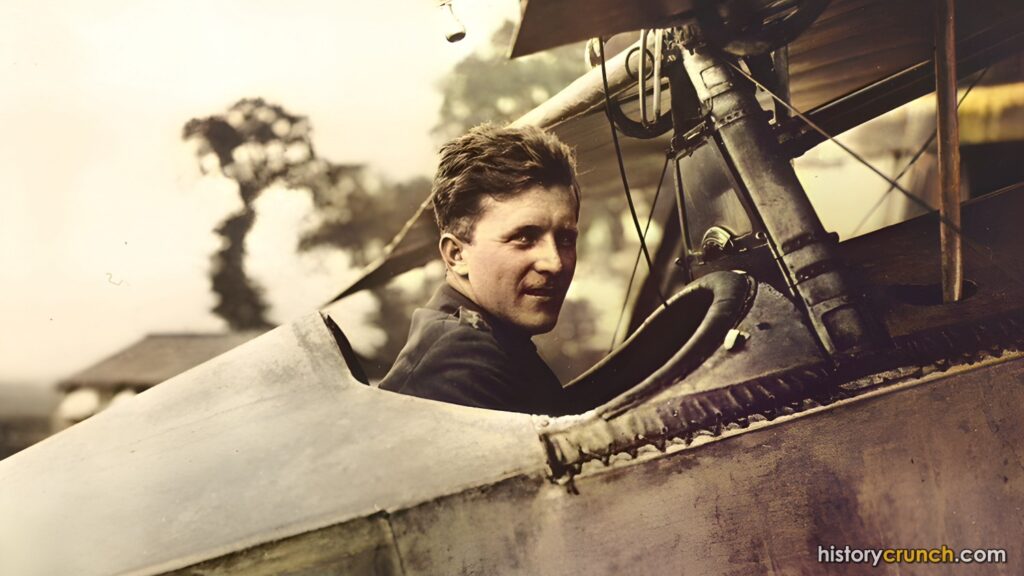
Billy Bishop was a Canadian flying ace and Victoria Cross recipient who became the top Allied fighter pilot of World War I with 72 confirmed victories, making him a national hero in Canada. (Colorized by historycrunch.com)

TABLE OF CONTENTS

The top ace pilots of World War I were highly skilled airmen. In fact, an 'ace' pilot of World War I was one who had downed at least five enemy airplanes.

Ace pilots of World War I were an important topic in the history of the war.  In fact, airplanes were first developed just before the start of World War I and aircraft technology further developed as the war progressed.  This led to many ‘ace’ pilots from several countries gaining recognition for their ability to ‘dogfight’ in World War I air battles.  World War I was a deadly conflict as shown by the millions of military and civil casualties it caused.  The large number of casualties was the result, in part, of the development and use of weaponry that took place during the war.  The ace pilots of World War I played a key role in World War I and influenced its outcome.

WHY WERE SOME WORLD WAR I PILOTS CALLED ‘ACES’?

The development of airplane technology during World War I led to the creation of the fighter airplane.  These airplanes were used for ‘dogfights’, where were mid-air plane-to-plane battles.  Early mid-air battles were either not possible or basic due to the limitations of weapons.  For instance, early models of fighter airplanes did not have mounted machine guns.  Instead, the pilots used handheld weapons, which proved difficult when also flying a plane.  As such, shooting down an enemy plane was nearly impossible early on.  However, as the weapons technology improved on the fighter airplanes, the ability of World War I pilots became much more important.  For instance, once machine guns were reliably mounted to the front of fighter airplanes, the pilots were better able to shoot down enemy airplanes.​

French newspapers in World War I first used the term ‘ace’ for pilots that had downed at least five enemy airplanes.  For instance, the first person to receive the designation was French pilot Adolphe Pégoud.  However, the most famous ace pilot from World War I was Manfred Albrecht Freiherr von Richthofen.  He flew for the German Air Force and was more commonly known as the ‘Red Baron’.  As such, the term ‘ace’ became used for any pilots that had downed at least five enemy airplanes.  Some of the most successful pilots of World War I had downed numerous enemy planes.  Regardless, the life for a World War I pilot was usually short-lived due to the dangerous nature of aircrafts at the time.

Ace Pilots WW1
Manfred von Richthofen (Red Baron) from Germany was the top ace pilot of World War I. (Colorized by historycrunch.ocm)

TOP ACE PILOTS OF WORLD WAR I BY COUNTRY – INFOGRAPHIC

Ace Pilots of World War I Infographic
Top Ace Pilots of World War I – By Country (Created by historycrunch.com)

We strive to produce educational content that is accurate, engaging and appropriate for all learners. If you notice any issues with our content, please contact us and let us know!

AUTHOR INFORMATION
Picture of Elias Beck

Elias Beck

I'm a passionate history and geography teacher with over 15 years of experience working with students in the middle and high school years. I have an Education Degree with a focus in World History. I have been writing articles for History Crunch since 2015 and love the challenge of creating historical content for young learners!
Death Camps in the Holocaust
Holocaust

Death Camps in the Holocaust: A Detailed Summary

Death camps in the Holocaust were responsible for the death of millions of people considered ‘undesirable’ by the Nazi regime. This article details the history and significance of the death camps in the Holocaust.

Hermann Goering
Nazi Germany

Hermann Goering: A Detailed Biography

Hermann Goering was one of the most influential and powerful figures in Nazi Germany. This article details the life and significance of Hermann Goering.

Baths in Ancient Rome: A Detailed Summary

The baths of Ancient Rome were important structures and centers that played a significant role in Roman society. This article details the history, purpose and significance of the baths of Ancient Rome.

Laissez-faire Capitalism: A Detailed Summary

Laissez-faire capitalism first emerged during the Enlightenment and promoted free markets, private ownership, and limited government. This article details the history and significance of laissez-faire capitalism.