Aztec Education and Schools: A Detailed Summary

Aztec Education and Schools
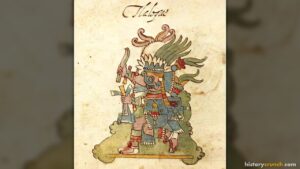
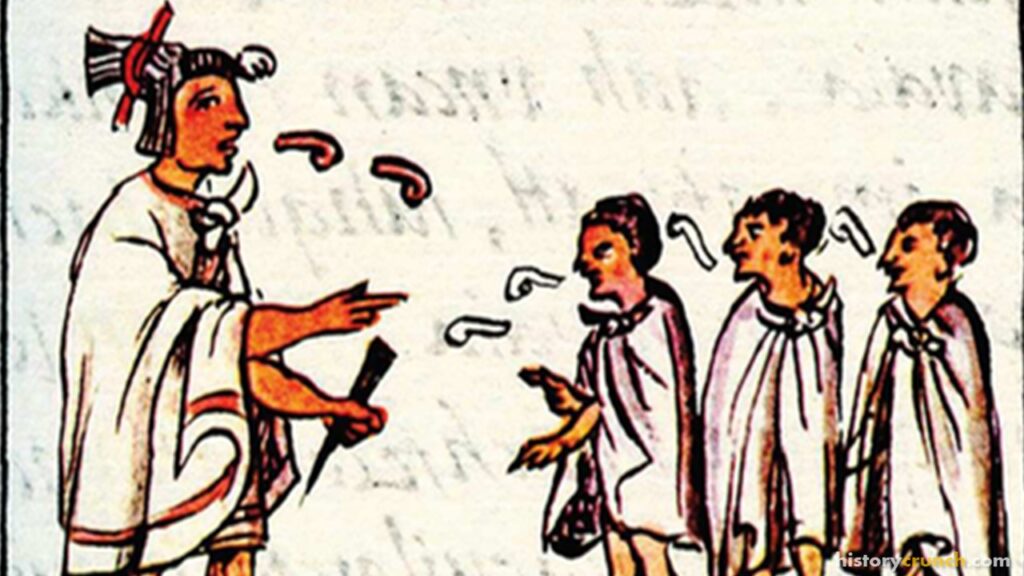
Aztec Telpochcalli from Florentine Codex.
Aztec Education and Schools were an important aspect of the daily life for the Aztec people. Aztec education focused on traditional roles for boys and girls, while also teaching important religious and cultural norms.

Table of Contents

Aztec Education and Schools played an important role in the overall Aztec culture and daily life. The Aztec education system was structured with separate schools for the different social classes. In short, Calmécac schools trained noble children in history, religion, military strategy, and leadership, while Tēlpochcalli schools educated commoners in warfare, agriculture, and trades.

WHO WERE THE AZTEC?

The Aztec Empire was a civilization in central Mexico that thrived in the time before the arrival of European explorers during the Age of Exploration.  Throughout its history as a civilization the Aztec Empire expanded across much of central Mexico and other surrounding areas, to become the most dominant and powerful people in the region.  Tenochtitlan, the main Aztec city (or altepetl), was the center of this vast empire.
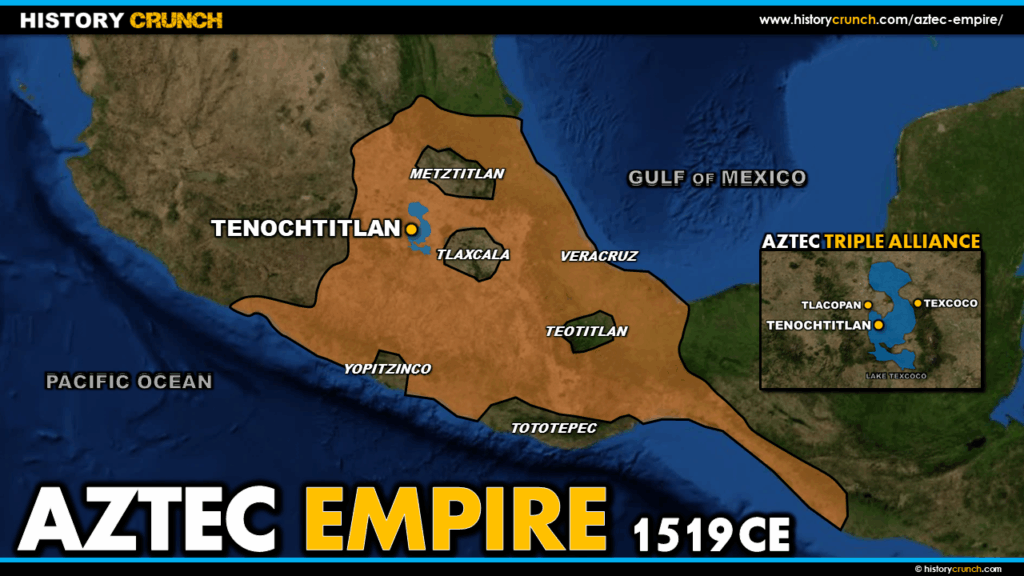
Map of the Aztec Empire and Aztec Triple Alliance
Map of the Aztec Empire and Aztec Triple Alliance by History Crunch

AZTEC EDUCATION – BOYS AND GIRLS

Education was an important part of daily life for the young people of the Aztec Empire.  All children attended schools where they were taught the traditions and history of their people.  In fact, education was free for all people regardless of their social class.  At first, Aztec children were taught by their parents, until they were in their teens when they attended schools.​

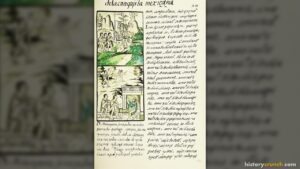
As they grew up, Aztec boys received an education that ultimately prepared them for battle and service in the Aztec military.  For instance, boys between the ages of ten and twenty were required to attend school.  Boys of the lower classes attended schools called Telpochcalli.  While the boys from the nobility attended schools called Calmecac.  The Telpochcalli schools focused on preparing the boys for warfare and teaching the boys how to use different weapons, while the Calmecac schools prepared the noble boys to be leaders in the military, priesthood and government.  Aztec religion was also a central component of these schools, as children were taught the different gods and traditions related to each. For instance, they were instructed to recite the correct songs and poems related to each festival and practiced different dances for different religious ceremonies.  Children of the pipiltin (nobility) were also instructed in how to play the famous ballgame that was common throughout much of Mesoamerica.
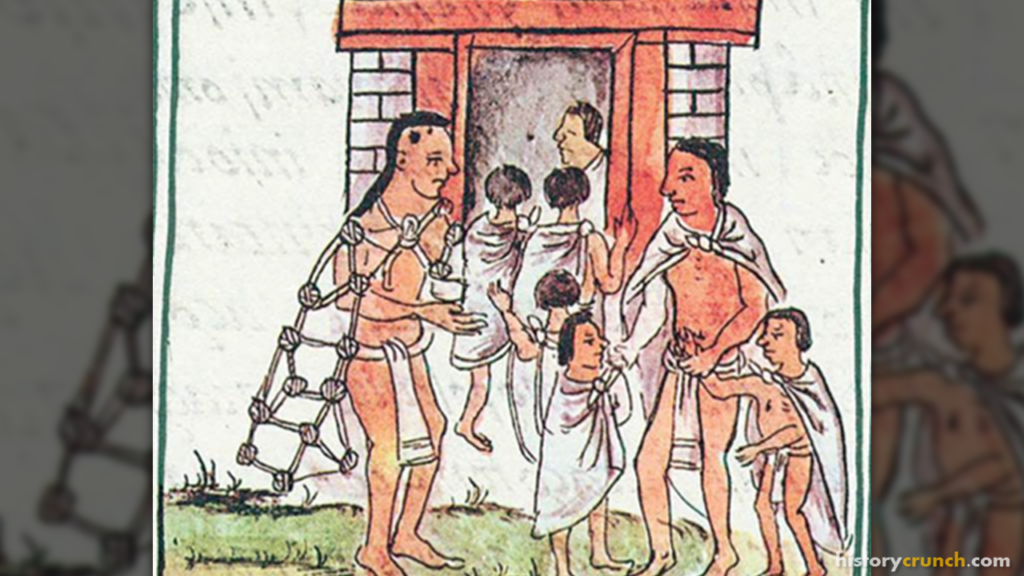
Aztec Education and Schools
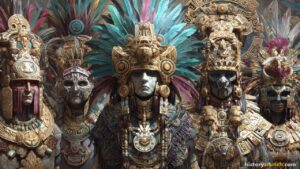
Aztec Calmecac from Florentine Codex.

At the age of fifteen, the boys began training with weaponry and would often accompany more experienced warriors into battle, but they did not participate in the fighting.  As well, it was during this time that the boys would usually seek the guidance from an experienced warrior to act as a mentor.  Finally, when the boys were approximately twenty years old they joined the military ranks and became an Aztec warrior.​

Girls also attended school in the Aztec Empire but not the same ones as boys.  Instead of focusing on warfare and weapons, girls were instructed in housekeeping.  With that said, girls would also be taught the religious traditions and history of the Aztec Empire.  For, instance they were instructed to learn the songs and poems of the different religious festivals and ceremonies and learned to dance.

These schools were important for developing and fostering the Aztec culture among its people.
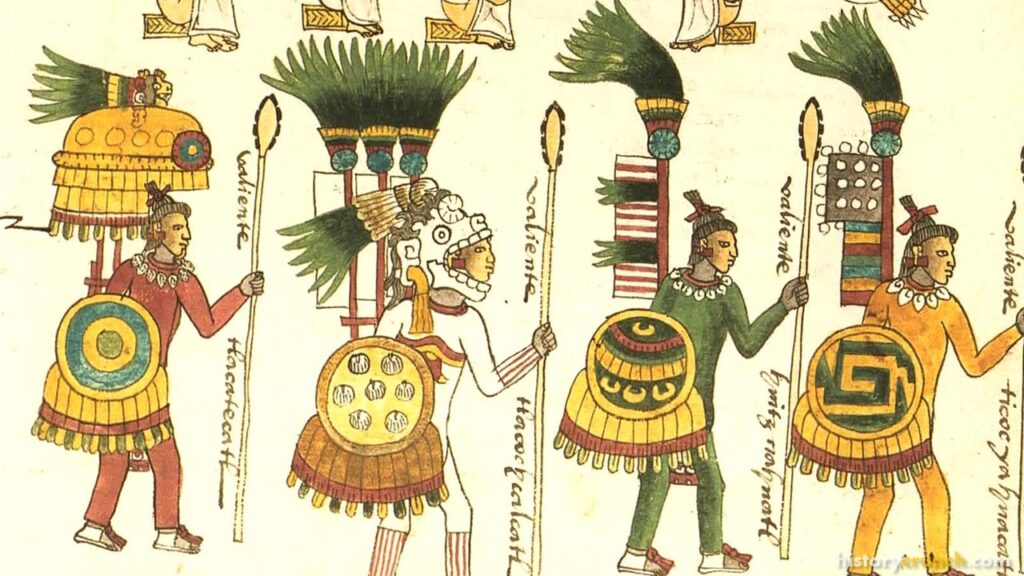
Aztec Warriors
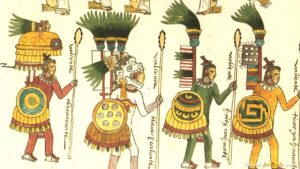
Aztec warriors in the Codex Mendoza.
Facebook
X
Reddit
Pinterest
LinkedIn

We strive to produce educational content that is accurate, engaging and appropriate for all learners. If you notice any issues with our content, please contact us and let us know!

AUTHOR INFORMATION
Picture of Elias Beck

Elias Beck

I'm a passionate history and geography teacher with over 15 years of experience working with students in the middle and high school years. I have an Education Degree with a focus in World History. I have been writing articles for History Crunch since 2015 and love the challenge of creating historical content for young learners!
Moctezuma I
Aztec Empire

Moctezuma I (Aztec Emperor): A Detailed Biography

Moctezuma I was the fifth Aztec Emperor, which was referred to as the huey tlatoani (Great Speaker). This article details the history and significance of Moctezuma I in relation to the Aztec Empire.

Aztec Religion
Aztec Empire

Aztec Religion: A Detailed Summary

Aztec religion was a deeply important factor in the daily lives of the Aztec people. For instance, Aztec gods were celebrated and honored throughout Aztec culture.

Acamapichtli
Aztec Empire

Acamapichtli (Aztec Emperor): A Detailed Biography

Acamapichtli was the first Aztec Emperor, which was referred to as the huey tlatoani (Great Speaker). This article details the history and significance of Acamapichtli in relation to the Aztec Empire.

How Did the Aztec Empire Expand
Aztec Empire

How Did the Aztec Empire Expand?: A Detailed Summary

The Aztec Empire expanded throughout the Valley of Mexico due to several factors. For instance, the power of Aztec warriors and the leadership of the Aztec emperors played key roles in the development and establishment of the Aztec Empire.

Aztec Empire Overview Infographic
Infographics

Aztec Empire Overview: Infographic

This Aztec Empire overview infographic was created by History Crunch to help students and teachers quickly understand the key aspects of one of the most powerful civilizations in the history of the Americas. It covers the origins of the Aztec, the Triple Alliance, the city of Tenochtitlan, Aztec society and culture, and the Spanish conquest. Designed for students in grades 5 to 12.

Map of the Olmec Empire
Maps

Map of the Olmec Empire

This map of the Olmec Empire was created by History Crunch to help students and teachers understand the geographic extent of one of the earliest and most important civilizations in Mesoamerica. It shows the location of key Olmec centers including San Lorenzo and La Venta in the tropical lowlands of south-central Mexico. Designed for students in grades 5 to 12.