American History

Selma to Montgomery March: A Detailed Summary

The Selma to Montgomery March was an important series of protests in the Civil Rights Movement in which activists marched through Alabama to demand voting rights for African Americans. This article details the history and significance of the Selma to Montgomery March.

Ulysses S. Grant: A Detailed Biography

Ulysses S. Grant was the commanding general of the Union Army during the American Civil War and the 18th President of the United States, remembered for leading the North to victory and working to protect the rights of formerly enslaved people during Reconstruction. This article details the life and significance of Ulysses S. Grant.

Nat Turner’s Slave Rebellion

Nat Turner’s Slave Rebellion: A Detailed Summary

Nat Turner’s Slave Rebellion occurred in 1831 in Virginia and was one of the most significant slave uprisings in American history. This article details the history and significance of Nat Turner’s Slave Rebellion.

George McClellan: A Detailed Biography

George McClellan was a Union general during the American Civil War best remembered for building the Army of the Potomac and for being too cautious to use it effectively, leading President Lincoln to remove him from command twice. This article details the life and significance of George McClellan.

Malcolm X: A Detailed Biography

Malcolm X was an important figure in the Civil Rights Movement who became one of the most prominent and influential African American leaders of the 1950s and 1960s. This article details the life and significance of Malcolm X.

Reconstruction Amendments

Reconstruction Amendments: A Detailed Summary

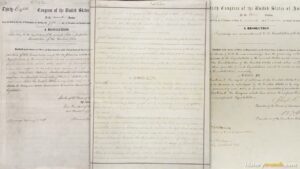
The Reconstruction Amendments were added to the United States Constitution after the Civil War to establish and protect the rights of formerly enslaved people. This article details the history and significance of the Reconstruction Amendments.

Compromise of 1850

Compromise of 1850: A Detailed Summary

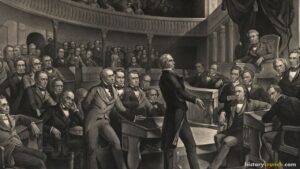
The Compromise of 1850 was a series of laws aimed at easing tensions between free and slave states following the Mexican-American War. It admitted California as a free state, strengthened the Fugitive Slave Act, and allowed new territories to decide on slavery through popular sovereignty. This article details the history and significance of the Compromise of 1850.

Civil Rights Act of 1866

Civil Rights Act of 1866: A Detailed Summary

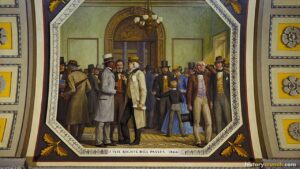
The Civil Rights Act of 1866 was the first federal law to define citizenship and guarantee equal protection under the law for all people born in the United States, regardless of race. It aimed to protect the rights of formerly enslaved individuals by outlawing discriminatory laws like the Black Codes.

John Wilkes Booth

John Wilkes Booth: A Detailed Biography

John Wilkes Booth was an actor and Confederate sympathizer who assassinated President Abraham Lincoln on April 14th, 1865, at Ford’s Theatre. This article details the life and significance of John Wilkes Booth.

Stonewall Jackson: A Detailed Biography

Stonewall Jackson was one of the most famous Confederate generals of the American Civil War, known for his bold tactics and fast marches, and remembered as Robert E. Lee’s most trusted commander until his tragic death in 1863. This article details the life and significance of Stonewall Jackson.