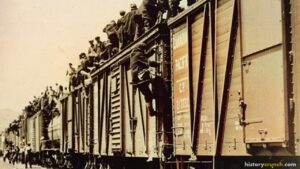
Riding the Rails in the Great Depression: A Detailed Summary
‘Riding the Rails’ in the Great Depression was symbolic of the difficult economic times of the 1930s.

‘Riding the Rails’ in the Great Depression was symbolic of the difficult economic times of the 1930s.
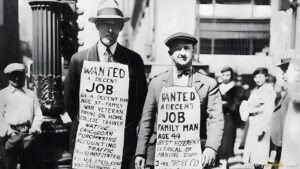
Life in the Great Depression was characterized by economic hardship for millions of people.
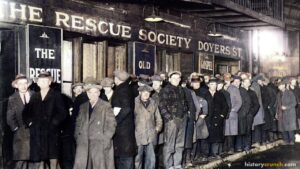
Economics in the Great Depression is important to consider since, at the time, the global economy experienced mass unemployment, plummeting industrial output, and widespread bank failures.
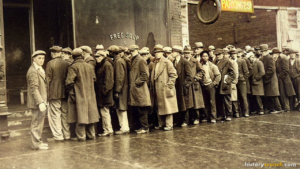
The Great Depression was one of the most significant events of the 20th century. It was a time of incredible economic hardship that has left a lasting legacy on the world.
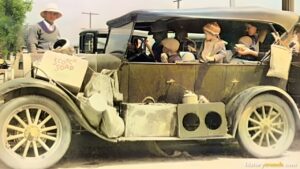
Migration in the Great Depression played an important role in the life of millions of people.
The welfare state includes principles from both sides of the economic spectrum, and is based on both capitalism and socialism. This article details the history, principles, positives and negatives of the welfare state.

The impacts of the Great Depression reshaped economies, societies, and political landscapes, leaving a legacy that continues to influence the United States and the world.
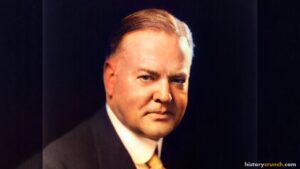
Herbert Hoover, the 31st President of the United States, served from 1929 to 1933 which was a period marked by the early years of the Great Depression.
Protectionism is an economic policy aimed at protecting a country’s domestic industries from foreign competition.
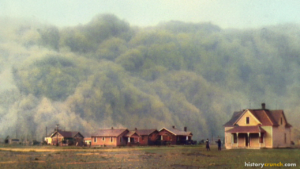
The Dust Bowl in the Great Depression was a severe environmental disaster during the 1930s that devastated the Great Plains with drought and dust storms and led to widespread agricultural failure.