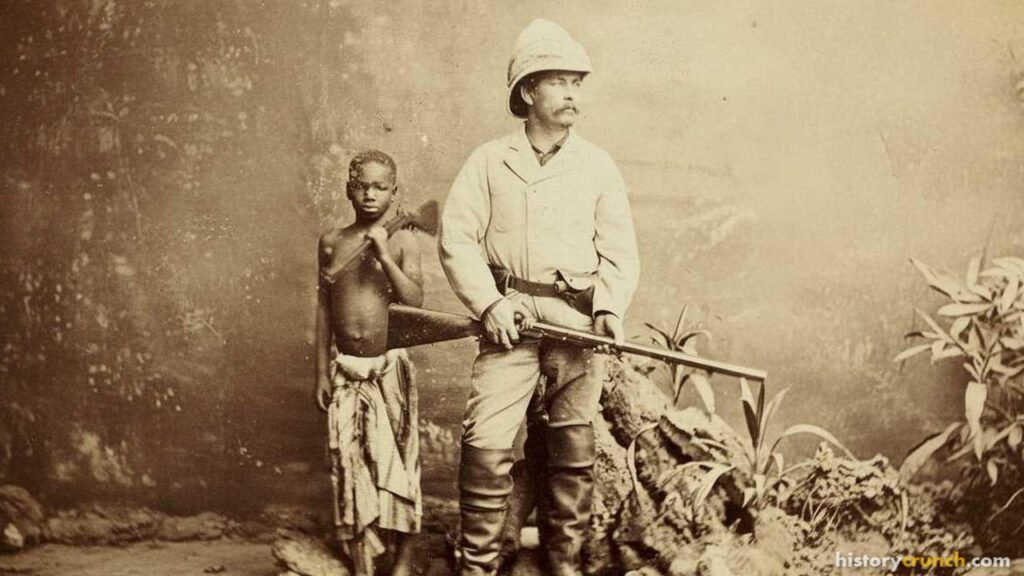
Henry Morton Stanley was a famous journalist and explorer in the time of the Age of Imperialism. In fact, he is most famous for his expeditions to Africa in the late 19th century. For example, he searched for and found the famed Dr. David Livingstone in 1871, where he supposedly remarked: “Dr. Livingstone, I presume?” Furthermore, Henry Morton Stanley carried out several expeditions to Africa and worked as an agent for King Leopold II of Belgium. As such, historians consider Stanley to be a significant figure in early European imperialism of Africa. In fact, Stanley and his expeditions led to and were part of the Scramble for Africa, that occurred between the major European powers of the time.
HENRY MORTON STANLEY’S EARLY LIFE
Henry Morton Stanley was born on January 28th, 1841 in Denbigh, Denbighshire, Wales. At birth his name was John Rowlands, but he changed it later in life. Stanley had a rough childhood, which began with his uncertain birth and parents. For example, his parents were unmarried at birth and his father died shortly after his birth. As well, his mother essentially abandoned him from a very young age. As a result, his grandfather, Moses Parry, raised the young Stanley until he was five years old.
Moses Parry died when Stanley was five years old, which led to Stanley being sent to the St. Asaph Union Workhouse for the Poor. A ‘workhouse’ was an establishment created to address issues with poverty in England. The people that lived and worked in ‘workhouses’ of the time were unable to support themselves. This was a common feature of Britain in the Industrial Revolution during the 19th century.
When he was 18 years old, Stanley moved to the United States and served in the American Civil War. The American Civil War was one of the most significant events in all American history. It occurred from 1861 until 1865 and had a profound impact on the development of the United States. At its heart, the American Civil War was the result of growing tensions between the Northern states and Southern states on the issue of slavery. In general, the American Civil War involved the Northern states (also referred to as the ‘Union’) and the Southern states (also referred to as the ‘Confederacy’) fighting in many different major and bloody conflicts. Regardless, Stanley served in the American Civil War from 1862, when he joined the Confederate Army, until 1865 when he was serving in the United States Navy. In between, he also served in the Union Army, after being captured following the Battle of Shiloh. As such, he fought for both sides in the conflict. It was during his time in the United States that he changed his named from John Rowlands to Henry Morton Stanley. Historians aren’t exactly sure why he chose this name and there are conflicting stories from Stanley himself about why he did this.
Upon leaving the United States Navy, Stanley sought out for adventures and began working as a journalist. This role eventually led to his famous expeditions in Africa during the Age of Imperialism.
HENRY MORTON STANLEY MEETS DAVID LIVINGSTONE
As stated above, an important part of Henry Morton Stanley’s legacy was his role in early explorations of Africa in the 19th century. For this reason, historians consider him to be an important person in relation to the eventual European colonization of Africa, and the events of the Scramble for Africa. For example, he first went to Africa in the late 1860 as a journalist for the New York Herald. However, one of his most famous events from his time in Africa occurred in 1871 when he met David Livingstone.
David Livingstone is one of the most famous British figures from the 19th century and played a significant role in early efforts of European exploration in Africa. For example, he was a Christian missionary and travelled extensively throughout the African continent in the timeframe of the Age of Imperialism. More specifically, Livingstone travelled throughout central and eastern Africa in the mid-19th century and was the first European to explore several important geographic features, such as the Victoria Falls.
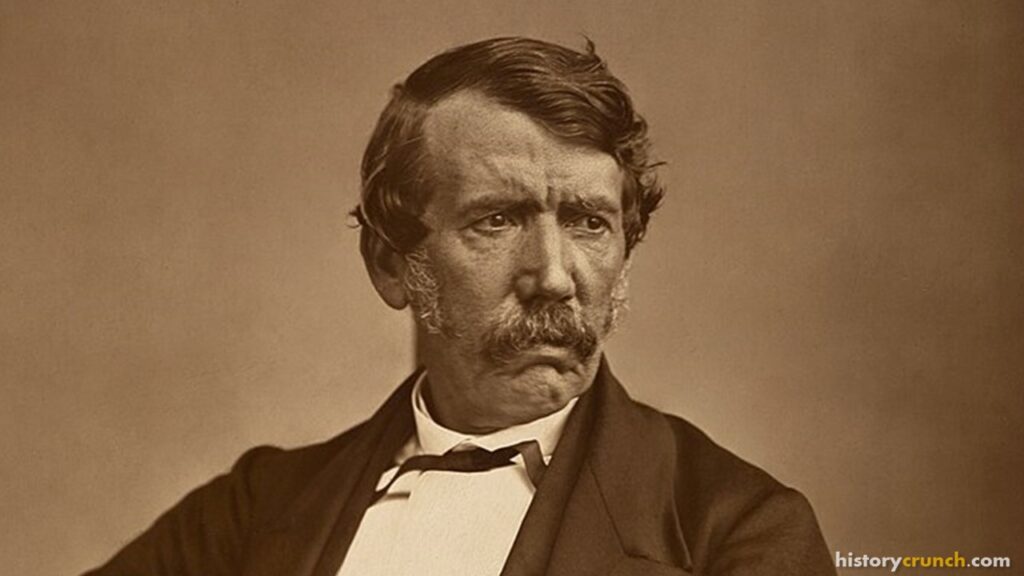
By 1871, Livingstone was living in eastern Africa following a failed expedition in the region in the years before. For that expedition, he attempted to find the source of the Nile River in Zanzibar, which is a region in eastern Africa. He suffered terrible setbacks on the expedition when members of his team abandoned the mission, and due to ongoing health issues. More specifically, one of the major issues for European expansion in Africa during the Age of Imperialism, was the struggle to overcome African disease such as a malaria. For instance, Livingstone suffered a number bouts with malaria during his time in Africa. However, on his 1866 expedition to eastern Africa he also suffered from both pneumonia and cholera. As such, he was forced to abandon the expedition in October of 1871.
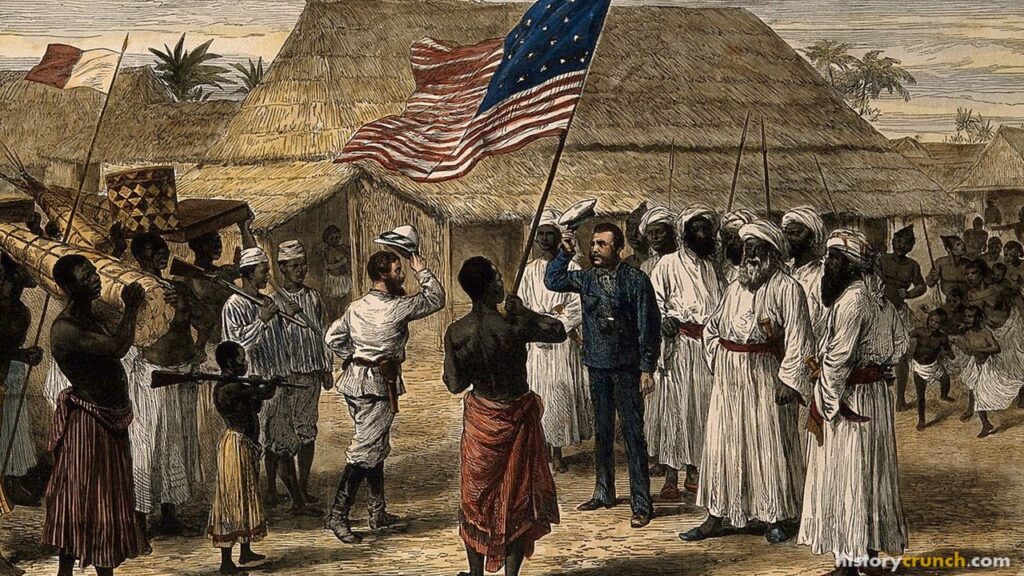
As stated previously, it was also in 1871, when David Livingstone had his famous meeting with Henry Morton Stanley. Stanley arrived in eastern Africa in 1871 and found Livingstone living in the town of Ujiji on the shores of Lake Tanganyika. At the encounter, Stanley supposedly greeted Livingstone by stating: “Dr. Livingstone, I presume?” At the time, Livingstone was suffering from illness and refused to leave Africa despite Stanley’s hopes that he would. Stanley returned to the United States shortly after and wrote a book about his experiences with David Livingstone titled ‘How I Found Livingstone; travels, adventures, and discoveries in Central Africa’.
HENRY MORTON STANLEY IN AFRICA
After his famous meeting with David Livingstone in 1871, Henry Morton Stanley continued to carry out expeditions to Africa throughout the second half of the 19th century. For instance, Stanley returned to central Africa in the late 1870s in search of the source of the Nile River and to carry out explorations of the Congo River Basin. This expedition gave him further fame as an explorer and eventually led to his dealings with Leopold II, the Belgian Monarch.
In the late 1870s, King Leopold II of Belgium approached Stanley and made him an offer, which saw Stanley act an agent for Leopold II and his interests in the Congo River Basin. In fact, throughout the late 1870s and early 1880s, Stanley traveled throughout the Congo region and established trading routes, trading stations and treaties with locals that benefitted the Belgian king.
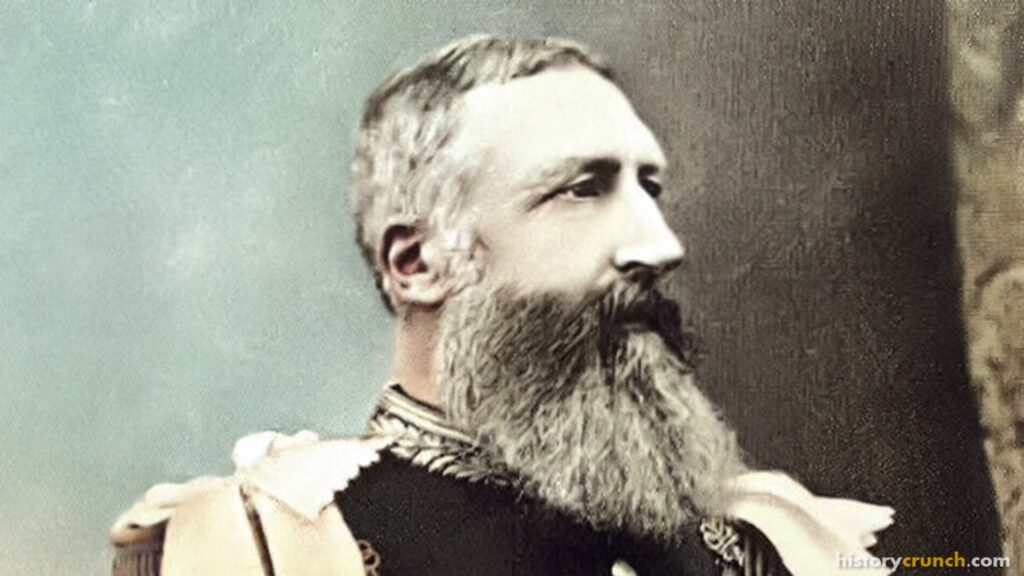
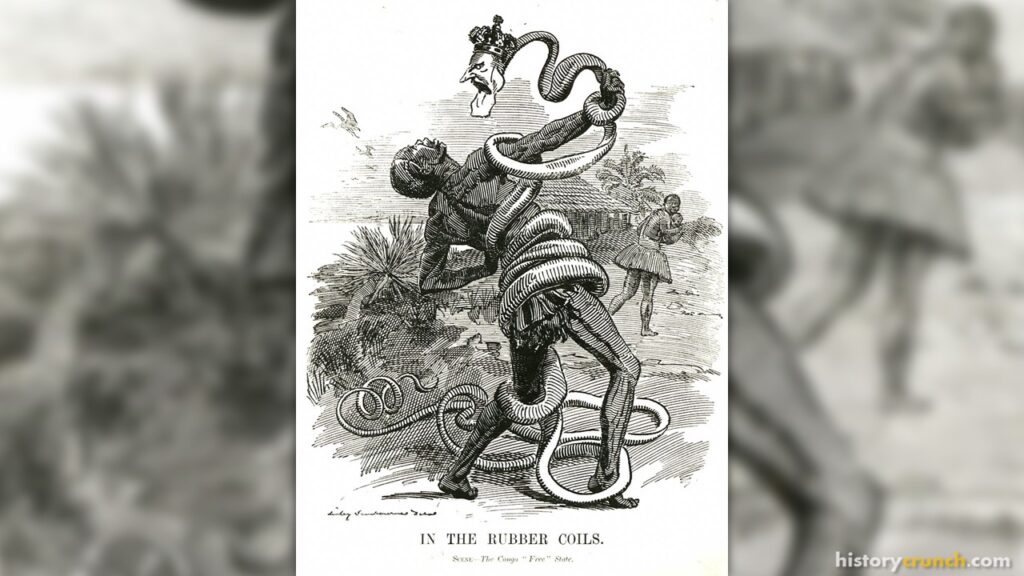
Leopold II served as the King of Belgium from 1865 until 1909 and oversaw the Belgian role in the Age of Imperialism and the Scramble for Africa. One of the most significant events of this period was that of King Leopold II of Belgium and his role in the Congo, which was a region in West and Central Africa. In fact, Leopold II ruled over the Congo as his personal empire and was responsible for the death of millions Congolese people. Furthermore, his brutal treatment of the local people came to symbolize the worst aspects of European imperialism in Africa. Stanley openly opposed Leopold’s brutal treatment of the Congolese people. In fact, historians have argued that Stanley did not fully understand Leopold’s intention of controlling the Congo as a personal possession. Rather, it is believed that Stanley thought that Leopold II was merely interested in sparking trade with the region. Regardless, Stanley’s actions in the Congo helped establish Leopold II’s control over the entire area, and resulted in the creation of the Congo Free State. This was the name of the Congo, during the time in which Leopold II ruled over it as his own personal possession.
Stanley remained active in Africa throughout the 1880s. For instance, he led the ‘Emin Pasha Relief Expedition’ in 1886 to rescue the governor of Equatoria in the southern Sudan. It is also widely believed that the mission was used to secure more territory in the interior of Africa for Leopold II.
HENRY MORTON STANLEY’S DEATH & LEGACY
Henry Morton Stanley returned to Europe and gained recognition for his famous expeditions to Africa. For example, he was honored in both England and Belgium for his accomplishments to the empire building of each nation. Leopold II awarded him with the Grand Cordon of the Order of Leopold in 1890. Stanley died on May 10th, 1904 in London, England.
Today he is remembered for his amazing achievements in the early European explorations of Africa. He built roads throughout the Congo River Basin and helped open the African continent to European expansion in the Age of Imperialism. As such, historians consider Henry Morton Stanley to be a significant figure in the lead up to the Scramble for Africa. With that said, Stanley is also considered a controversial historical figure due to how his explorations impacted the loves of the African people. His time as an agent for Leopold II led to the terrible treatment of millions of people. As well, some historians have suggested that Stanley himself was responsible for the brutal treatment of African workers who he used to open trading routes and trading posts.