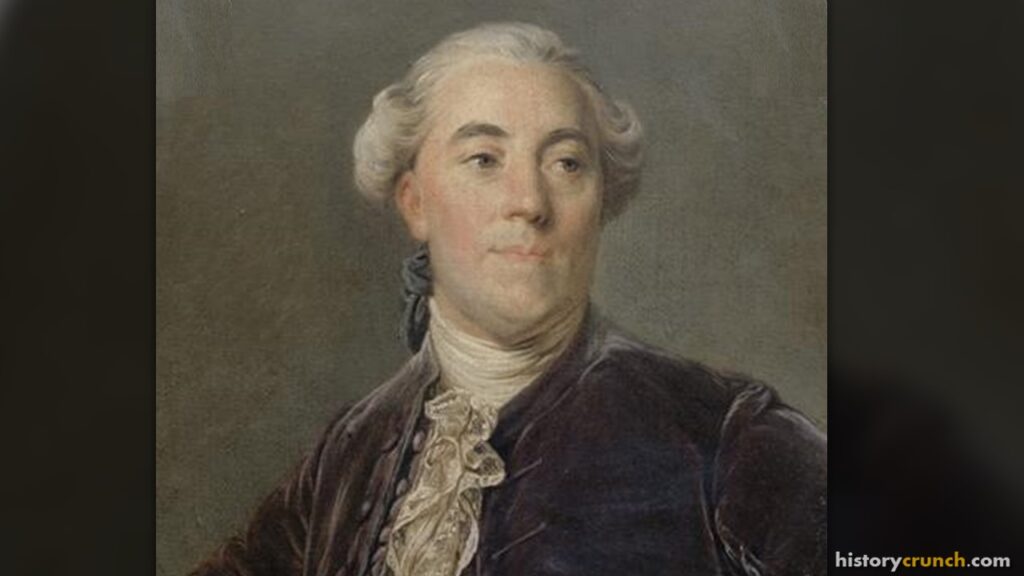
Jacques Necker was a Genevan banker and statesman who served Louis XVI as a leading finance minister during the events of the French Revolution. He is remembered for trying to fix France’s financial crisis and for his dismissal in July of 1789, which helped increase tension just before the Storming of the Bastille.
JACQUES NECKER – EARLY LIFE
Jacques Necker was born on September 30th, 1732, in Geneva, Switzerland. He did not come from the French nobility, which made his later rise in the French government unusual. As a young man, he entered the world of banking and business, and over time he became wealthy and successful in Paris. This was important because his financial reputation later helped make him attractive to a monarchy facing serious money problems.
Necker was also part of an intellectual and political world that valued reform. He built a strong reputation not only as a banker but also as a writer on economics and public affairs. Therefore, before he became a major political figure, he had already developed the image of a capable outsider who might help fix France’s financial troubles.
JACQUES NECKER – RISE IN FRENCH POLITICS
Necker entered royal service during the reign of Louis XVI and rose to major importance in the late 1770s. In 1777, he became director-general of the royal treasury. Because he was a Protestant, he could not formally hold the office of controller-general of finances in the usual way, but he still became one of the most powerful financial officials in the kingdom.
During his first term, Necker tried to improve France’s finances without carrying out the kind of full tax overhaul that the kingdom badly needed. He attempted reforms, borrowed heavily, and tried to manage the rising cost of French involvement in the American Revolution. In 1781, he published the ‘Compte rendu au roi’, which was a public report on royal finances. This was significant because it was unusual for an absolute monarchy to reveal financial information in that way, and it greatly increased Necker’s popularity.
However, the report also made France’s finances look healthier than they really were because it did not fully show the extraordinary costs of war and debt. As such, Necker’s reputation rose, but the deeper crisis remained. He was dismissed in 1781, yet he continued to be seen by many people as an honest and capable minister.
JACQUES NECKER – THE FRENCH REVOLUTION
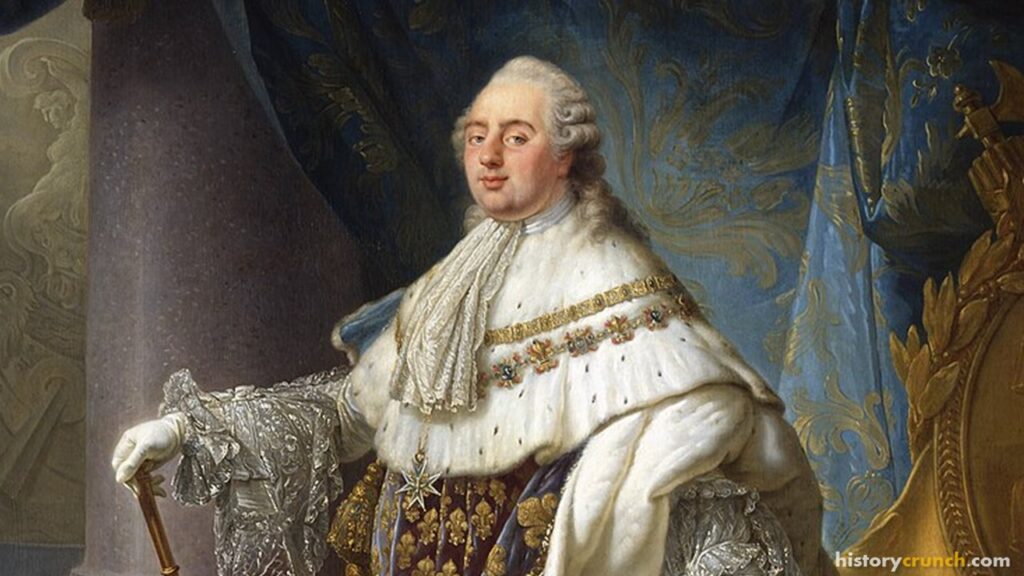
By 1788, the French monarchy was again facing severe financial crisis, and Necker was recalled to office. His return showed how desperate the government had become. At this stage, the crown needed loans, public confidence, and political support, and Necker seemed to offer all three.
Necker played an important part in the events leading to the Estates-General of 1789. He supported doubling the representation of the Third Estate, which gave commoners more deputies, although that did not by itself solve the deeper issue of voting procedure. When the Estates-General opened in May of 1789, Necker focused mainly on the financial crisis, but the meeting quickly moved beyond finances and became a much larger political struggle over power and representation.
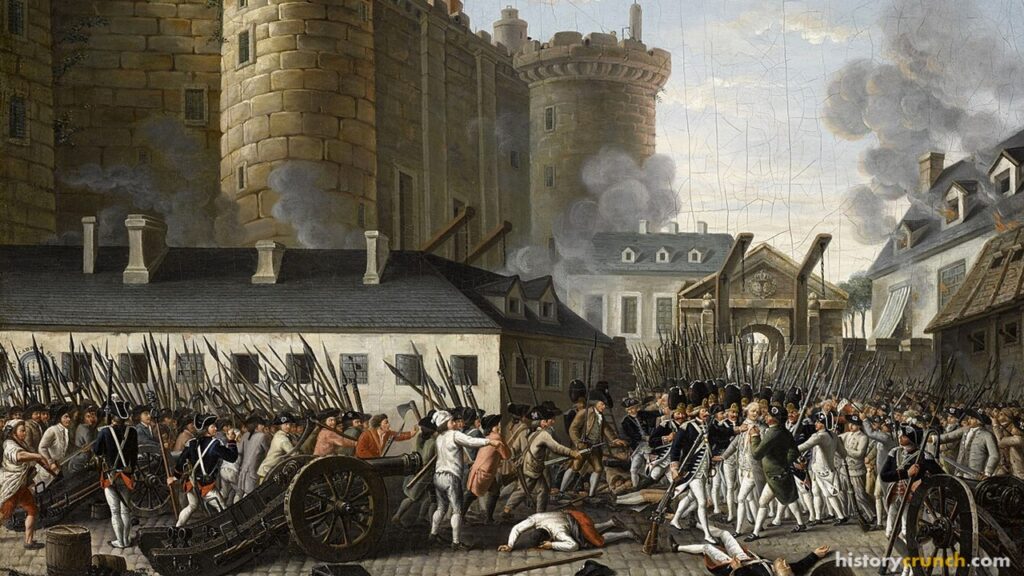
A major turning point came on July 11th, 1789, when Louis XVI dismissed Necker. Because he was popular in Paris, many people saw his removal as a sign that the king was turning against reform. This helped increase public fear and anger at exactly the moment when royal troops were gathering around the city. Therefore, Necker’s dismissal became one of the factors that pushed Paris toward the Storming of the Bastille on July 14th, 1789.
After the Bastille fell, Necker was recalled to office on July 16th, 1789. Even so, he was not able to stop the Revolution from moving in a more radical direction. France’s financial problems were still severe, political power was shifting rapidly, and confidence in the monarchy was weakening. By September of 1790, Necker resigned again and left public office.
JACQUES NECKER – LATER YEARS AND DEATH
After leaving office, Necker retired to Coppet in Switzerland. He continued to write and reflect on politics, government, and the Revolution. Although he had tried to preserve the monarchy through reform, events in France moved much further than he had wanted. This is important because Necker was not a revolutionary in the modern sense. Instead, he hoped for reform within a constitutional monarchy.
Jacques Necker died on April 9th, 1804, at Coppet. By the time of his death, he had become a complicated figure in French history: admired by many for his honesty and reform efforts, but also criticized for financial decisions that did not solve the monarchy’s deeper crisis.
JACQUES NECKER – SIGNIFICANCE
Jacques Necker was significant because he stood at the center of the financial and political breakdown that helped bring on the French Revolution. He tried to reform royal finance, made government accounts more public than they had been before, and became one of the few royal ministers with broad popular support.
At the same time, Necker remains a debated historical figure. Some people see him as a reformer who tried to save France from collapse, while others argue that his financial policies and public image gave people false confidence and did not address the kingdom’s real problems. Regardless, Jacques Necker played an important role in the final years of the Old Regime and in the opening stage of the French Revolution.