The Industrial Revolution, spanning from the late 18th century to the early 19th century, was a period of significant technological, social, economic, and cultural change. While it introduced remarkable advancements and economic growth, it also brought about severe challenges for workers, which led to the rise of the labor movement. This article explores the growth of the labor movement in the Industrial Revolution, with a focus on labor laws, labor unions and worker’s rights.
CAUSES OF THE LABOR MOVEMENT IN THE INDUSTRIAL REVOLUTION
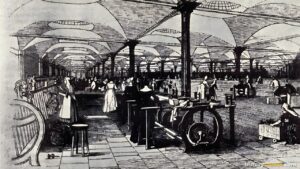
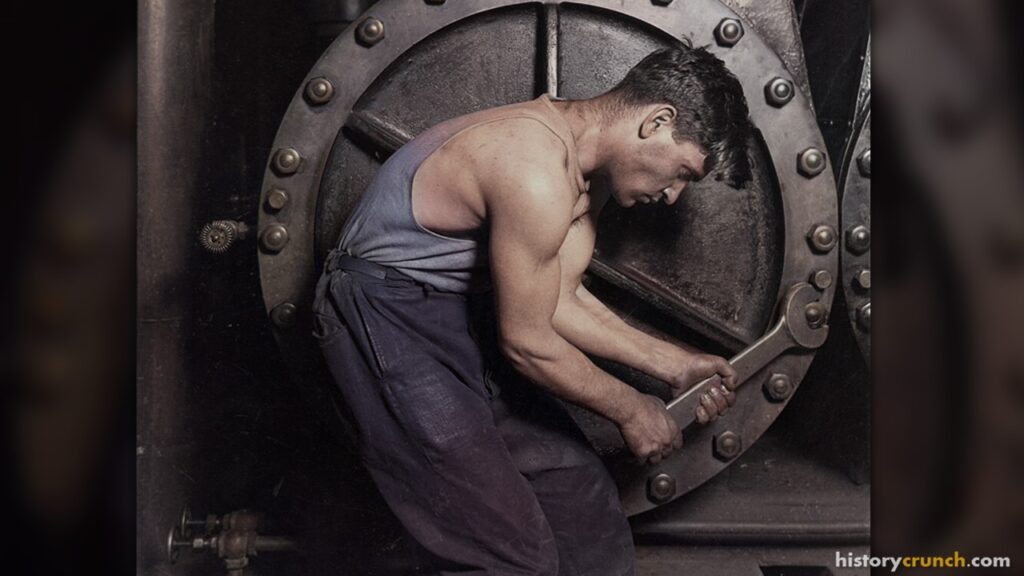
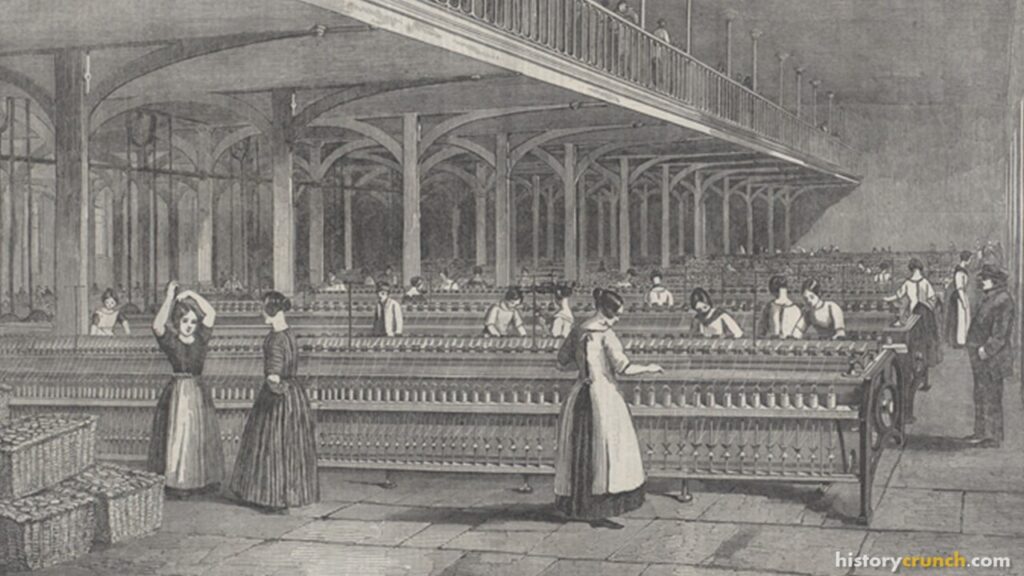
The Industrial Revolution began in Great Britain and soon spread to other parts of the world. It marked a shift from agrarian economies to industrial powerhouses, characterized by the mass production of goods. However, the rapid industrialization came at a high cost for the workforce, which faced terrible working conditions. For instance, factories in the Industrial Revolution were often dangerous places with little regard for safety. The absence of safety regulations often led to accidents and injuries, with workers operating dangerous machinery without proper training or protection.
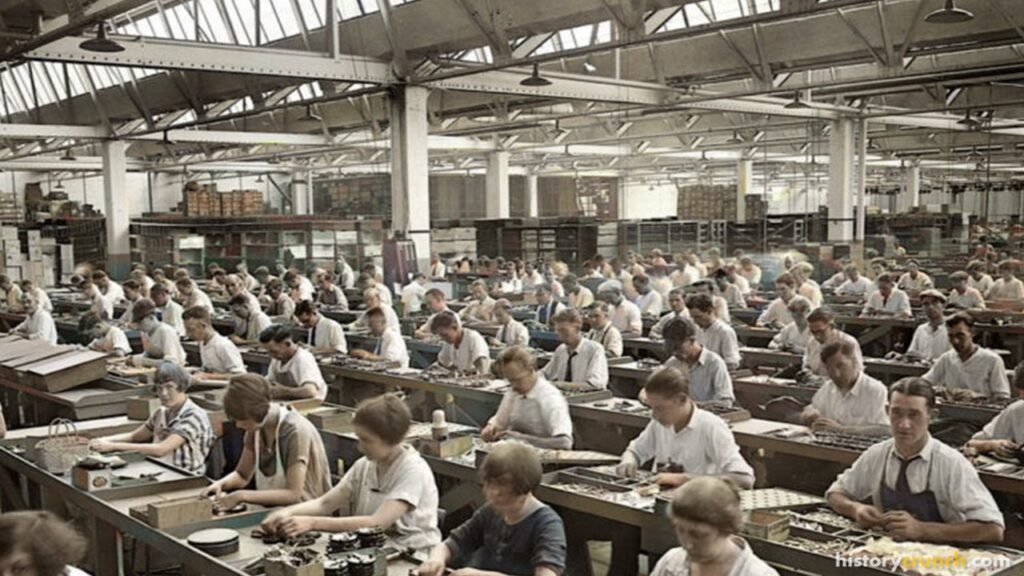
Furthermore, workers, including women and children, were subjected to incredibly long hours, sometimes up to 16 hours a day, with minimal wages. The exploitation was severe, with no compensation for overtime or injuries sustained at work. As well, during the early phases of the Industrial Revolution, workers had almost no legal rights. They could be hired and fired at will, and there were no provisions for unemployment benefits, health insurance, or retirement pensions.
To better understand the situation facing people in the Industrial Revolution, it’s first important to understand the political and economic views of the time. For example, the dominant ideology of the Industrial Revolution centered on individualistic values such as classical liberalism and laissez-faire capitalism. Both of these systems promoted the idea that the government should play as little a role as possible in the economic lives of the people. As such, there were very few government regulations in place to protect workers and the wealthy owners were allowed to exploit them in various ways. For example, during the Industrial Revolution, working-class people faced horrible working conditions, such as: crowded and cramped workspaces, dirty and dangerous factory and mining operations, poor levels of pay, long hours of work, and a lack of basic healthcare, education and rights.
As such, this all created a difficult situation for industrial workers, which led to the rise of the labor movement. For example, workers began to organize themselves to demand better treatment and rights. This resulted in the emergence of labor unions, worker’s protests and the establishment of worker rights.
LABOR UNIONS IN THE INDUSTRIAL REVOLUTION
A labor union is a group of people within a particular job or industry that join together to fight for improved working conditions. Throughout history, labor unions have played a vital role in the relationship between workers and owners and have helped to improve conditions for working-class people. The labor movement first began during the time period of the Industrial Revolution, in the 19th century. The first labor unions were formed to advocate for workers’ rights. These unions negotiated for better wages, reasonable hours, and safer working conditions. They provided a platform for workers to stand united in their demands. The labor unions did this by arguing and fighting against the dangerous and terrible conditions faced by industrial workers.
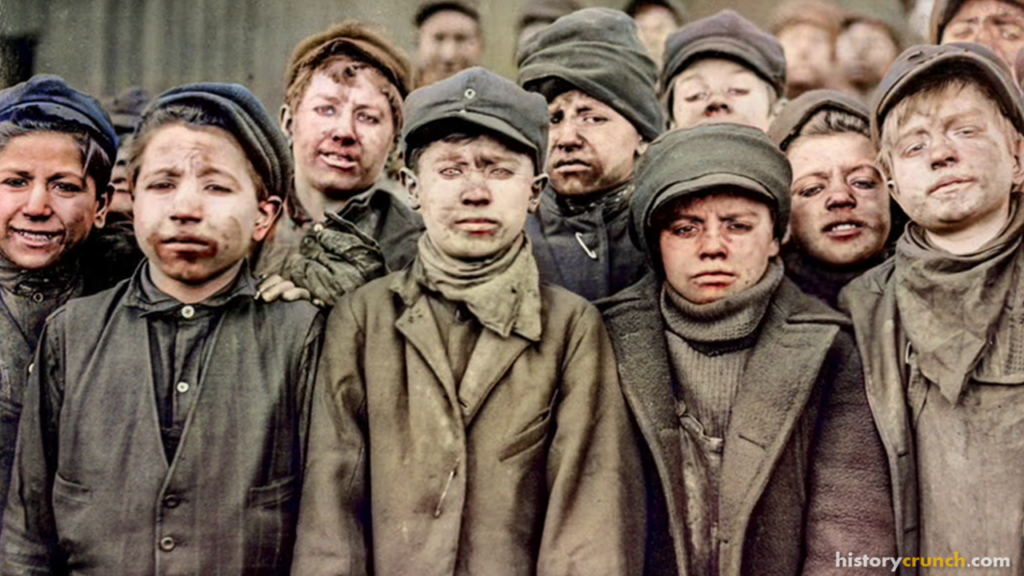
Many of them achieved these goals, by pressuring the government to step in set regulations on different aspects of industrial work. For example, as the Industrial Revolution progressed, the British parliament passed a series of laws limiting child labor. The first major legislation created to place limits on child labor were a series of Factory Acts passed by the British parliament throughout the 1800s. These acts limited the number of hours that children could work and placed regulations on workplaces in terms of safety and cleanliness. For example, by 1819, the Factory Acts limited the workday for British children at 12 hours. By 1833, child labor was further regulated when it became illegal for children under 9 years old to work, and children over 13 were not allowed to work more than 9 hours a day. The labor movement obtained more victories for working-class people in the form of minimum wage laws, caps on hours worked, mandated lunch breaks, and regulations on health and safety. As well, once child labor was banned, governments across the industrial world were persuaded to establish public education systems in order to teach youth that were too young to work. All of the victories combined to improve the overall lives of working-class people.
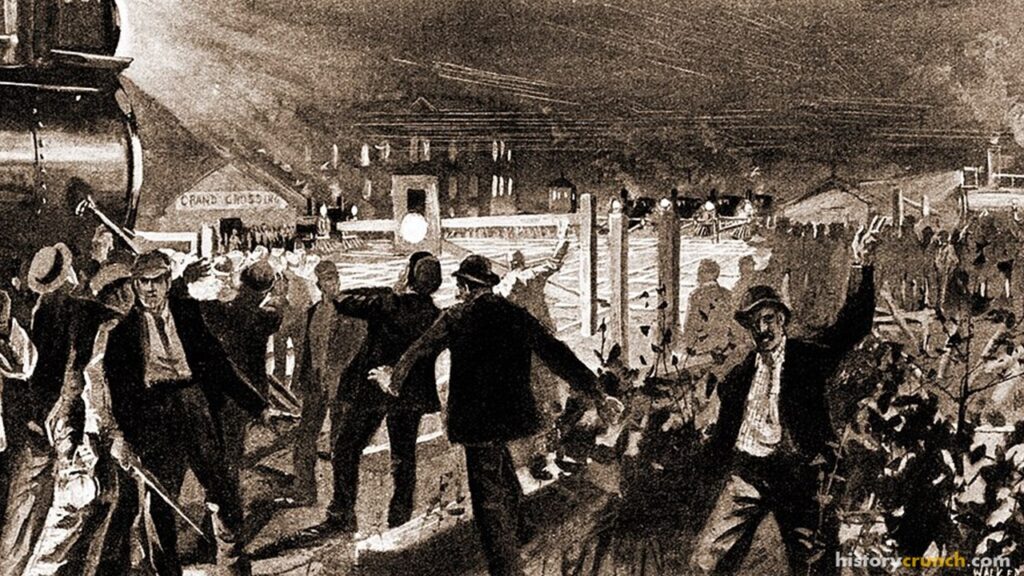
Furthermore, strikes became a common tactic used by the labor movement to press for changes. One of the earliest and most significant strikes was the 1830s General Strike in England, where thousands of workers ceased work to demand reform.
In the decades that followed, labor unions continued to provide an important role. For example, throughout the 20th century, labor unions played fought for improved conditions for workers facing the realities of the Great Depression, outsourcing and economic hardship. Today, Labor unions remain an important part of many modern democratic societies. They continue to fight for the same things that workers did in the Industrial Revolution, and have played a vital role in improving life for workers.