The ‘Roaring Twenties’ is a term used to describe the decade of the 1920s, which was a period of dramatic social, cultural, and economic change in the United States. Following the end of World War I in 1918, the country experienced a period of economic prosperity and social change. More specifically, the Roaring Twenties saw technological advancements, flourishing arts, and significant shifts in social norms.
ROARING TWENTIES – ECONOMICS
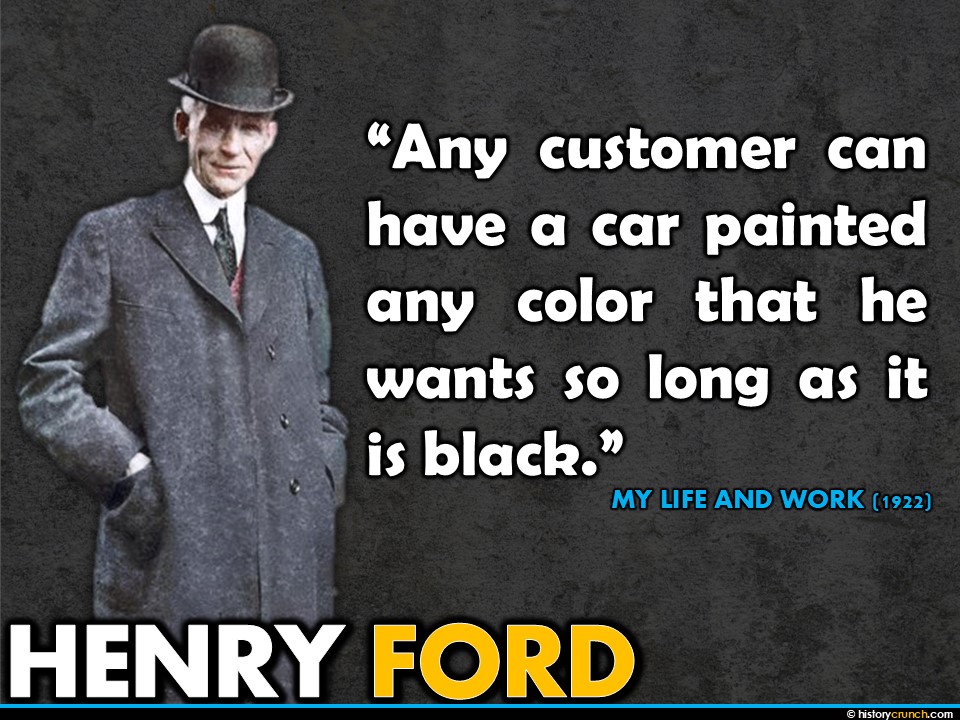
As stated above, the end of World War I in 1918 led to a post-war economic boom in the United States. Soldiers returned home, and the economy transitioned from wartime production to consumer goods. This shift led to increased industrial growth which created jobs and increased wages for the workers. Further to this, technological advancements in manufacturing, such as assembly line manufacturing, which was introduced by Henry Ford, made consumer goods like automobiles more affordable and accessible to the general public. This was an important contributor to the economic growth and prosperity that occurred throughout the Roaring Twenties.
The 1920s also saw the rise of a consumer culture driven by better incomes for American citizens and increased mass production. In fact, advertising became a powerful industry at this time and influenced people’s purchasing habits and lifestyles. Furthermore, innovations such as the radio and movie cinema introduced new forms of entertainment. Also, household appliances such as refrigerators and vacuum cleaners became commonplace during this time and transformed everyday life for millions of Americans. These technological advancements were a significant contributor to the sense of prosperity and growth that led to people referring to the 1920s as the ‘Roaring Twenties’.
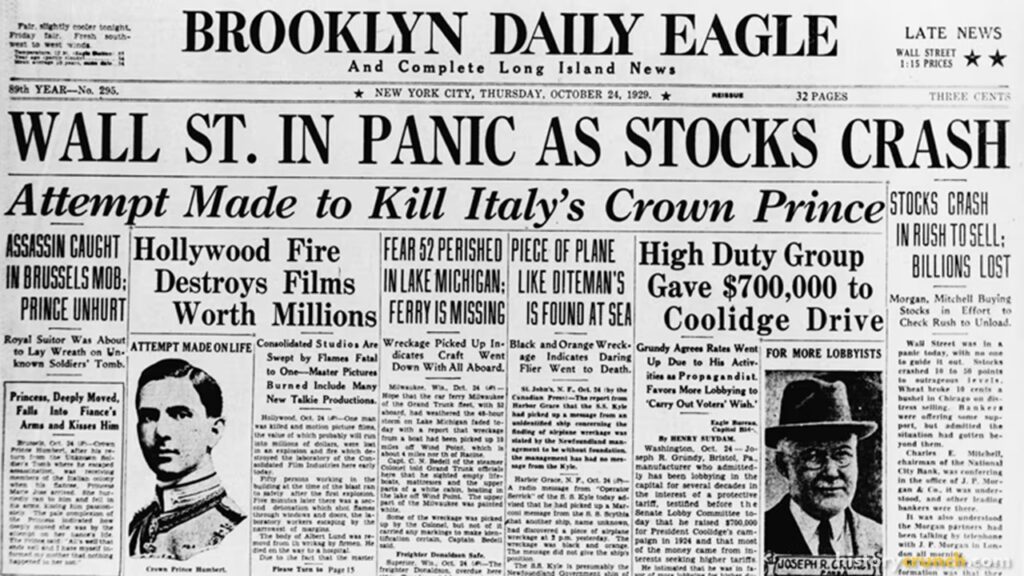
Finally, the decade was also characterized by a booming stock market. When you own a stock you own a part of that particular company, although usually a very small percentage. If the company is successful and grows its wealth then the value of the stock will increase, while if the company struggles, the value of the stock will fall. In the 1920s many people were buying stocks with the hope of them increasing, so they could sell their shares and make a profit. However, this profitable situation did not last and eventually resulted in the stock market crash of 1929, which marked the end of the Roaring Twenties and the beginning of the Great Depression.
ROARING TWENTIES – CULTURE
The Roaring Twenties was a time of incredible prosperity and change. For instance, the economic growth of the decade occurred alongside cultural advancements and changes in American society. In fact, one of the most defining cultural aspects of the Roaring Twenties was the rise of jazz music. Jazz music was so iconic during this time that it gave the era its nickname, the ‘Jazz Age’. Jazz, with its roots in African American communities in the South, gained national popularity during the Roaring Twenties. Musicians like Louis Armstrong and Duke Ellington became household names, and jazz clubs flourished in cities like New York and Chicago.
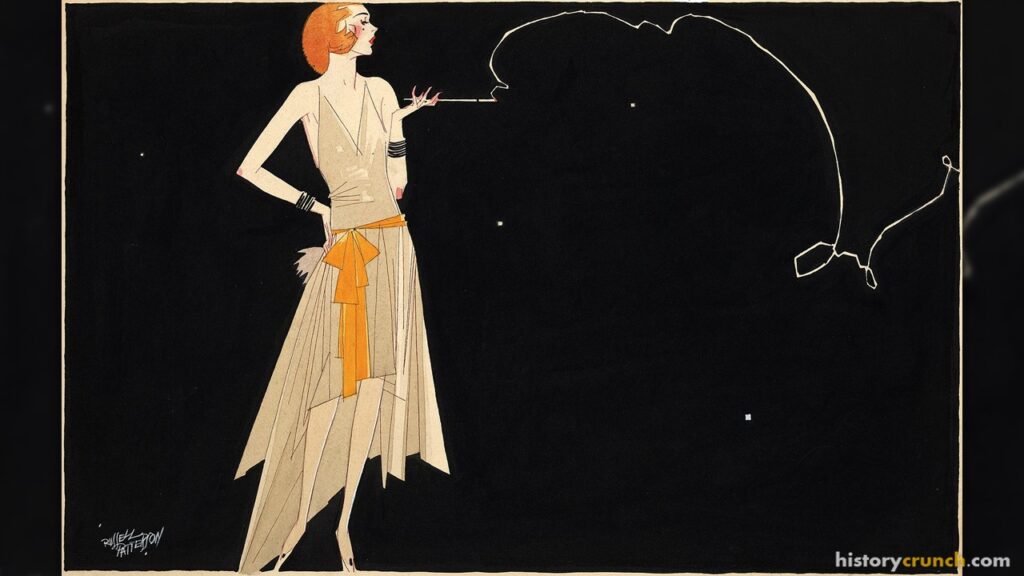
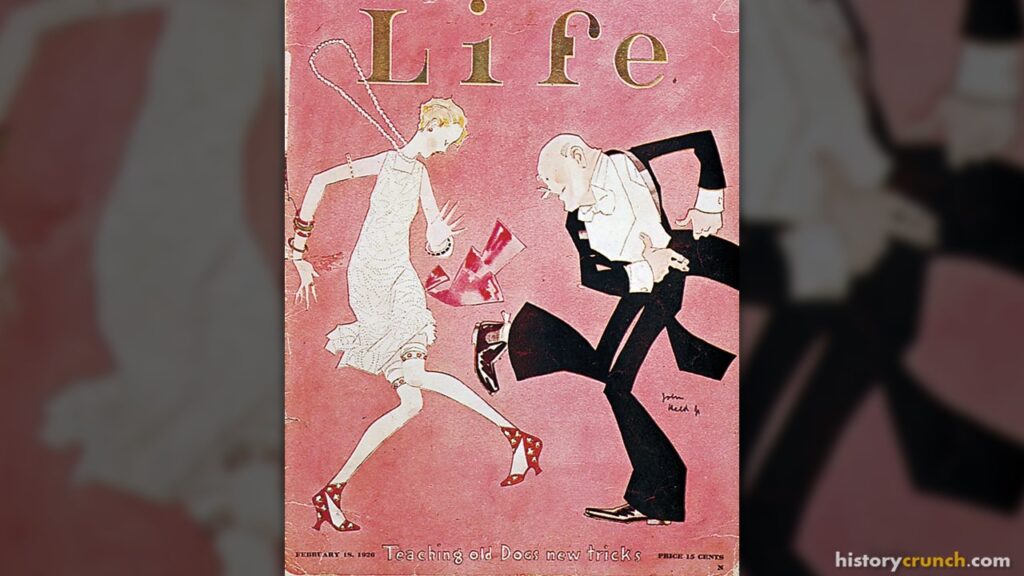
This new musical style influenced dance, fashion, and social behavior among American citizens. For instance, this period also saw the emergence of the ‘flappers’, which were young women who went against the traditional view of women. For instance, they embraced new fashions, such as shorter skirts and bobbed hair, and participated in activities like smoking, drinking, and dancing to jazz music.
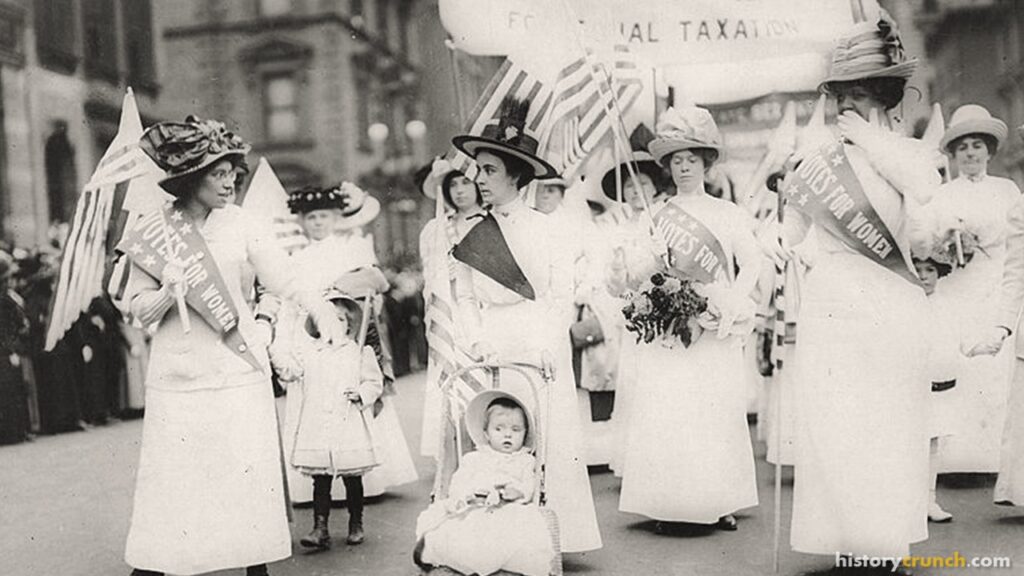
Also, the Roaring Twenties was a transformative period for women’s rights. For instance, the passage of the 19th Amendment in 1920 granted women the right to vote, marking a significant victory for the women’s suffrage movement.
The film industry also saw significant growth during the 1920s. Hollywood became the epicenter of movie production, and the silent film era reached its peak with stars like Charlie Chaplin and Mary Pickford. The decade also saw the transition from silent films to ‘talkies’, with the release of ‘The Jazz Singer’ in 1927, revolutionizing the entertainment industry.
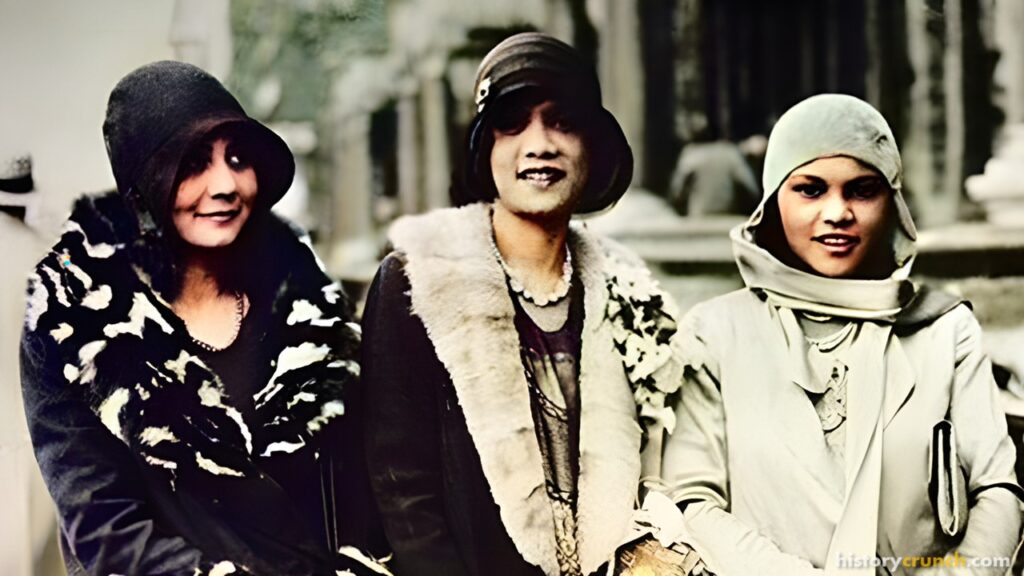
Another important cultural advancement in the Roaring Twenties was the emergence of the Harlem Renaissance, which was a cultural movement centered in the Harlem neighborhood of New York City. It was a time of incredible artistic and literary change for African Americans. Writers such as Langston Hughes and Zora Neale Hurston, along with artists like Aaron Douglas, explored themes of racial identity, pride, and resistance. The Harlem Renaissance not only enriched American culture but also laid the groundwork for the later Civil Rights Movement.
ROARING TWENTIES – PROHIBITION
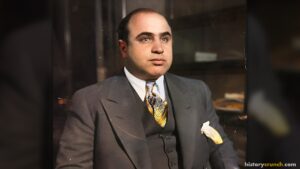
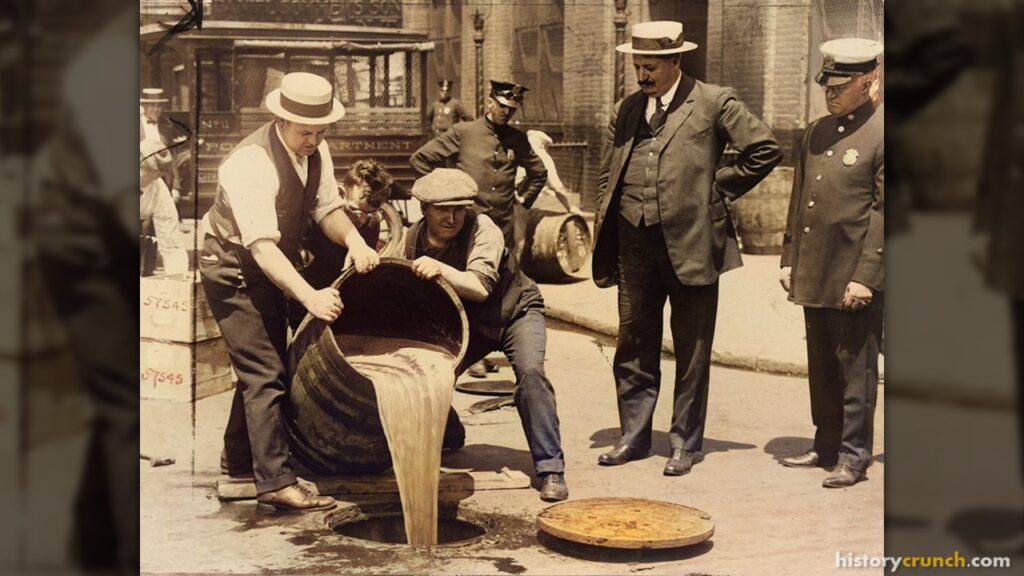
Prohibition, enacted by the 18th Amendment in 1920, banned the manufacture, sale, and transportation of alcoholic drinks in the United States. The goal was to reduce crime and other societal problems, but it actually led to the rise of illegal speakeasies, bootlegging, and organized crime. For example, figures like Al Capone became infamous for their roles in the illegal alcohol trade during the era of Prohibition.
ROARING TWENTIES – TECHNOLOGY
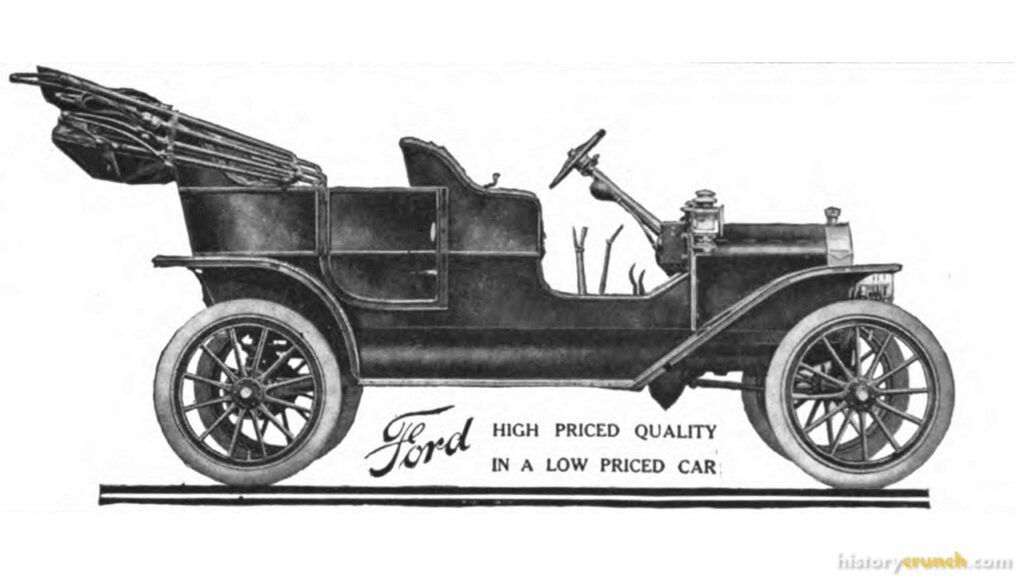
Along with economic and cultural changes, the Roaring Twenties also saw several new technological advancements. For example, the widespread adoption of the automobile was one of the most significant technological advancements of the 1920s. Henry Ford’s Model T revolutionized transportation, making cars affordable for the average American. In fact, the automobile transformed American society by providing greater mobility, stimulating the growth of suburbs, and influencing industries such as oil, steel, and road construction. Furthermore, Henry Ford introduced assembly line manufacturing that helped establish the mass production of goods.
The 1920s also saw advancements in communication and media. For instance, the radio became a staple in American households, bringing news, entertainment, and music directly into people’s homes. Radio broadcasts helped unite the nation by providing a shared cultural experience. Additionally, the development of commercial aviation began to shrink the distances between cities, paving the way for future advancements in travel.
ROARING TWENTIES – END AND LEGACY
As stated above, the economic prosperity of the Roaring Twenties came to an end with the stock market crash of 1929. In fact, the crash of the stock market led to the events of the Great Depression, which was a period of severe economic hardship that lasted through the 1930s. The crash exposed the weaknesses in the economy, such as overproduction, excessive borrowing, and lack of regulation. As a result, the Roaring Twenties were over.
The Roaring Twenties lead to several important impacts on American society. In general, it was a decade of remarkable change, characterized by economic prosperity, cultural innovation, and social transformation. The era’s technological advancements, artistic achievements, and shifts in social norms laid the groundwork for modern American life. However, the period also highlighted the vulnerabilities in the economy and the complexities of social progress.