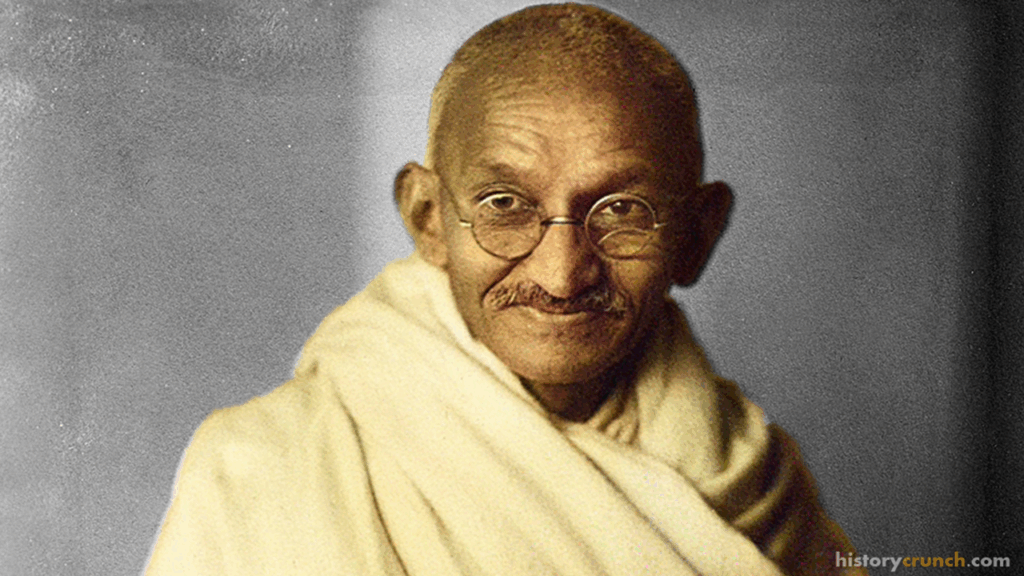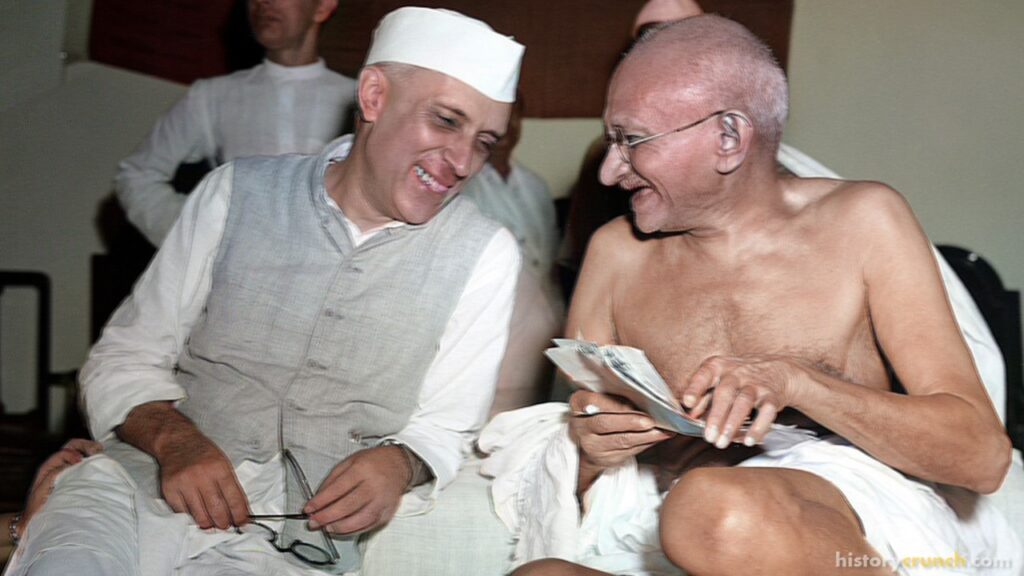
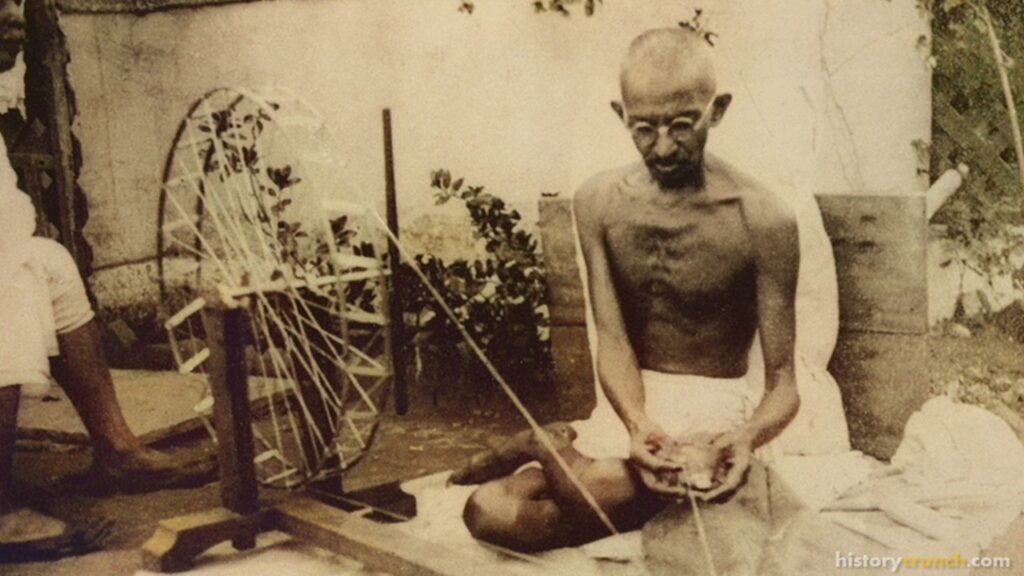
Mahatma Gandhi is one of the most important figures in India’s history and played a vital role in both the Indian Independence Movement and Indian National Congress. Gandhi was born on October 2nd, 1869 in the city of Porbandar in western British India. His name at birth was Mohandas Karamchand Gandhi. The name ‘Mahatma’ was given to him later in life and literally translates to ‘Great Soul’, which is a reference to the role he played in helping India gain its independence from Britain.
WHY IS MAHATMA GANDHI IMPORTANT?
Gandhi is one of the most inspirational and influential figures in all of world history and especially related to the Age of Imperialism. What made Gandhi so significant was how he helped India achieve its freedom. He played a pivotal role in the Indian Independence Movement and inspired other prominent historical figures. For instance, Gandhi pioneered the use of non-cooperation protest.
GANDHI AND THE INDIAN INDEPENDENCE MOVEMENT
The Indian Independence Movement expanded in 1915 when Mahatma Gandhi returned to India following his time in South Africa. Before arriving in India in 1915, Gandhi had helped lead an Indian nationalist movement in South Africa, in which he argued for more rights and better treatment of Indians there. He used this experience in South Africa to carry out similar actions in India. In fact, Gandhi became the leader of the Indian National Congress in 1920, and quickly began to organize and carry out protests calling for an end to British imperialism in India. Gandhi’s concept of independence is often referred to as ‘swaraj’. In general, the term sawarj means self-government or self-rule and refers to the idea that Gandhi (along with other members of the Indian Independence Movement) wanted India to gain its independence from British imperial rule. He did this through several different ways, but Gandhi is most famous for his non-cooperation movement based on civil disobedience. In general, civil disobedience is when individuals refuse to follow the orders or laws of a society that they feel are unjust or discriminatory. Gandhi believed that India could gain its independence and achieve swaraj if it stopped cooperating with British laws, thus forcing the British to adapt to the Indian people instead of the other way around. He argued that the best way for Indian to obtain self-government (swaraj) was through a non-cooperation movement in which the Indian people refused to follow British laws.
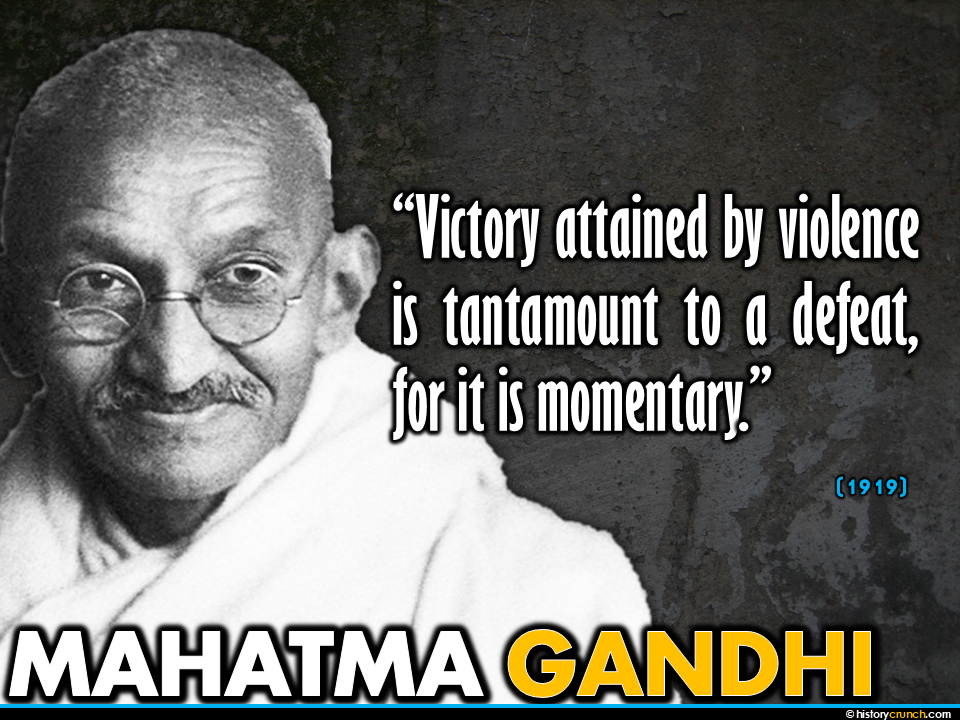
Gandhi’s non-cooperation campaign focused on protesting Britain’s economic and political control over India. He argued that in order for Indians to force Britain out of India, the people of India had to practise civil disobedience through non-violence. As such, he advocated techniques such as hunger strikes and other forms of protest that did not involve the Indian people responding with violence.
One of the ways that Gandhi promoted the idea of economic non-cooperation was through the concept of ‘swadeshi’. In general, it involved Indians producing their own goods (or consuming domestically made goods) and rejecting foreign goods. At the time, Britain benefitted economically by selling goods to India from their factories in England. This arrangement deprived India from developing its own economy and sent large amounts of wealth back to England. As a result, members of the Indian National Congress (including Gandhi) began to express the importance of swadeshi.
GANDHI AND THE SALT MARCH
Another example of Gandhi’s economic non-cooperation was the famous Salt March. This event took place from March 12th to April 6th in 1930 and saw Gandhi lead a non-violent protest against British laws related to salt harvesting in India. More specifically, the British effectively had total control over the harvesting of salt in India due to the 1882 Salt Act. Because of this act, Indians were forced to pay taxes on salt and could face harsh criminal punishments if they didn’t follow the law. This law angered many in the Indian National Congress because salt had been freely available to Indians for centuries, especially for those who lived along the coastlines of India. As a result, Gandhi and other members of the Indian National Congress decided to carry out a non-violent protest of the law by carrying out a salt march. The goal of the salt march was to openly disobey the British law and gain momentum for the Indian Independence Movement that was being supported by both Gandhi and the Indian National Congress.
In total, the Salt March that Gandhi led, lasted for 24 days in the spring of 1930. It saw Gandhi, along with about 80 other volunteers, march approximately 240 miles (384 km) from Sabarmati Ashram to Dandi in western India. Many others joined Gandhi and the volunteers along the route until finally, when they arrived in Dandi on April 6th, there were thousands of participants in the Salt March. When the group arrived at the coast on April 6th, Gandhi broke the British laws by collecting salt. Millions of Indians began to break the salt laws in the days and weeks after the Salt March. Some collected their own salt, while others purchased it illegally.
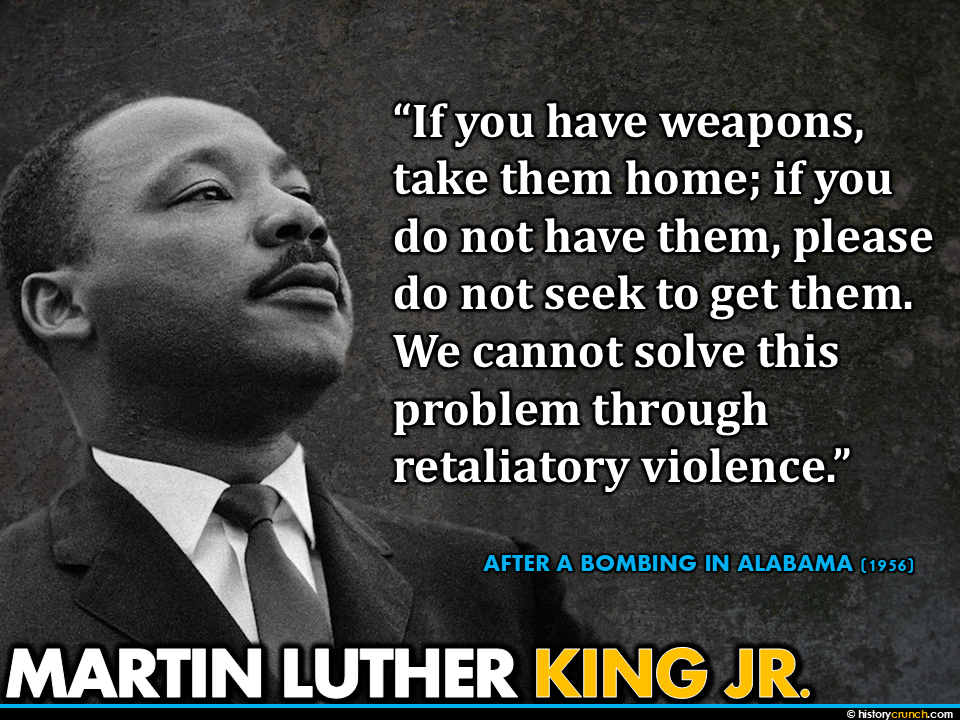
Historically, the Salt March by Mahatma Gandhi was a significant event. Not only was it an important moment in India’s progress towards independence from British rule, but it also inspired other historical figures, such as Martin Luther King Jr. Martin Luther King Jr. was an American activist and Christian minister that played a significant role in the 1950s and 1960s Civil Rights Movement in the United States. The Civil Rights Movement essentially saw people in the United States protesting for equal rights for African Americans. Martin Luther King Jr. was inspired by the non-violent civil disobedience expressed by Gandhi in the Salt March and used similar methods in his own protests.
GANDHI’S LEGACY
Today, Gandhi is remembered for being one of the most influential figures in all of world history and in the Indian Independence Movement. He pioneered non-violent civil disobedience and inspired many other prominent historical figures including Martin Luther King Jr. Also, he was a central figure in India gaining its independence and bringing about an end to British imperial rule in India.