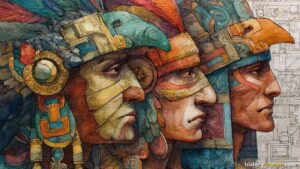
The Toltec civilization, flourishing between the 10th and 12th centuries in central Mexico, is known for its impressive architecture and art, particularly at their capital, Tula. They are credited with significant cultural and technological advancements, influencing later Mesoamerican societies such as the Aztecs.
TOLTEC – INFLUENCE ON THE AZTEC
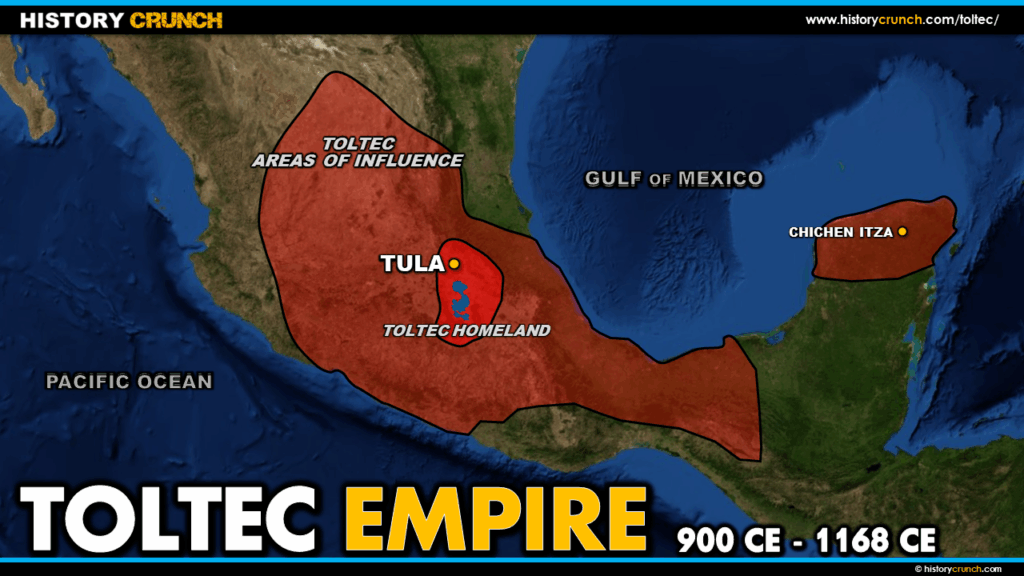
The Toltec were a Mesoamerican civilization that was located in central Mexico from about 900 to 1168. They are an important civilization in the history of Mesoamerican culture because many different later societies in the same area considered the Toltec to be an example of the height of craftsmanship and civilization. For example, the Aztec society, which dominated central Mexico from about 1325 to 1520, considered themselves to be the successors to the earlier Toltec.
In fact, the Aztec admired the Toltec for many different aspects, including: art, architecture, craftsmanship and culture. Some historians have questioned whether or not the Aztec people were the descendants of the earlier Toltec society, but this suggestion has also been made about other earlier Mesoamerican civilizations, including the Teotihuacan. Regardless, the Toltec language was Nahuatl, which was the same as the Aztec. As well, the Nahuatl word for Toltec, in the Aztec society, came to mean ‘artisan’ in reference to their view that the Toltec were the height of culture, art and design in Mesoamerica.
TOLTEC – CITY OF TULA
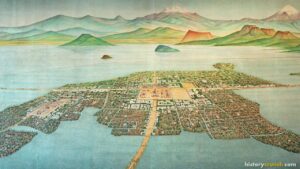
Other than their importance to the Aztec society, the Toltec were notable for their capital city Tula. The city-state is located northwest of modern Mexico City in the Mexican state of Hidalgo. The city of Tula was an urban center for the Toltec society, but historians do not completely understand its significance and question its relation to other powerful sites at the time such as Chichen Itza from the Mayan Empire. The center of Tula had several prominent pyramids and a large square. For example, the archeological site contains a central plaza that historians believe held festivals with as many as 100,000 people at a time. As well, there are two Mesoamerican ball courts where the Toltec people would play a form of a ball game that was common throughout many different Mesoamerican civilizations.
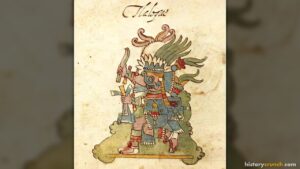
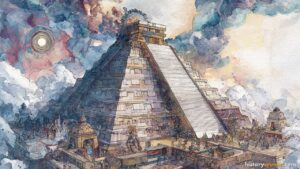
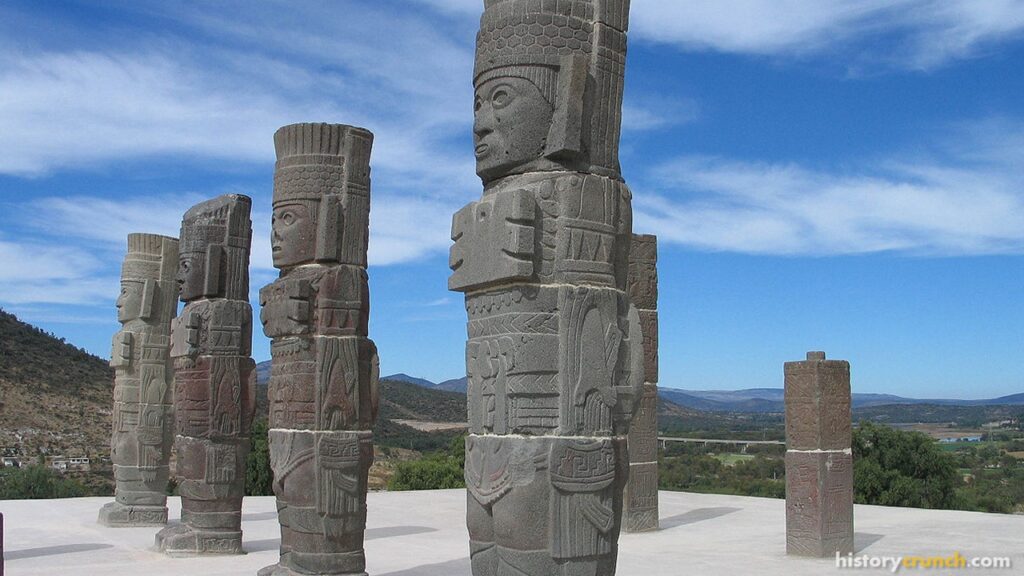
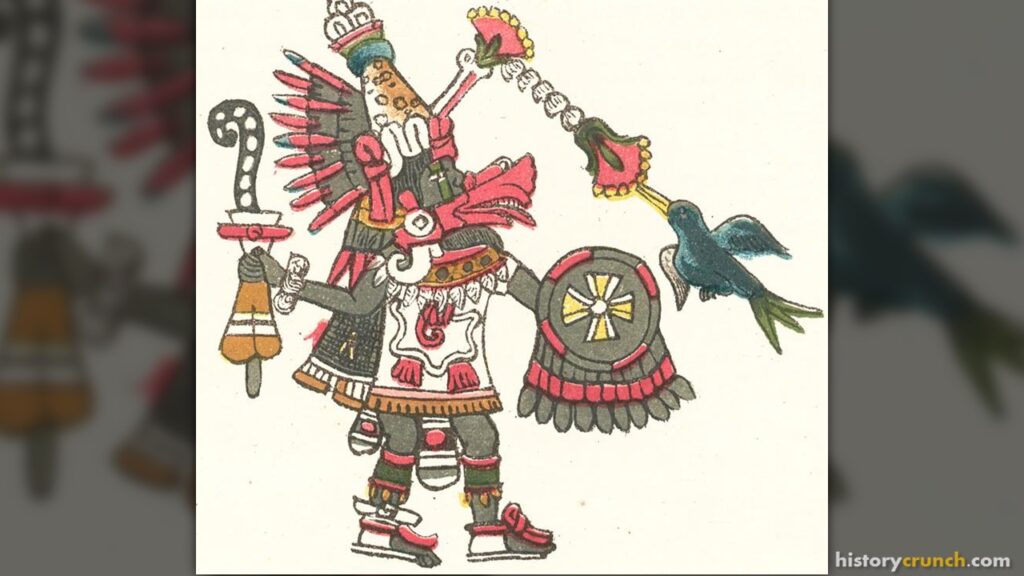
The largest and main pyramid at Tula is referred to as the Pyramid of Quetzalcoatl. It is named after the famous Mesoamerican god Quetzalcoatl. It has five tiers and historians consider it to be very similar to the Warrior of Temples at the Mayan city of Chichen Itza. This has caused some historians to suggest that the two civilizations had some form of connection despite their distance apart. On the top of the pyramid at Tula are four large statues of Toltec warriors. These statues, along with other examples display the Toltec’s ability as craftsmen, which was one of the aspects that the Aztec admired the most about them. At its height, the city is said to have had a population of around 60,000 people. The population was likely supported on local crops including: chili peppers, beans, squash, and corn.
TOLTEC – HISTORY
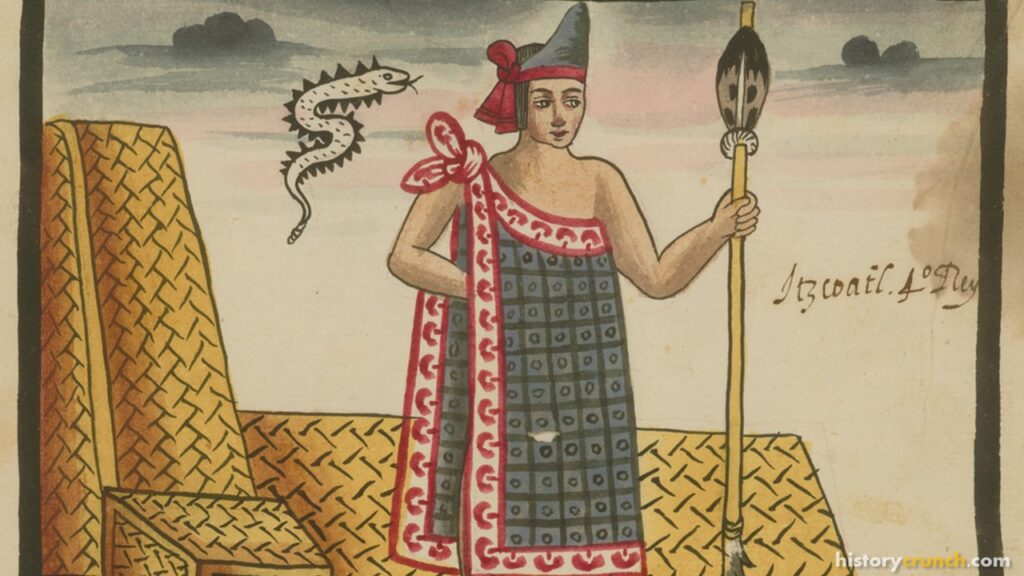
Much of the history of the Toltec civilization is heavily debated by historians. Some suggest that the Toltec were a distinct Mesoamerican civilization that built upon earlier ones like Teotihuacan and led to later ones like the Aztec. However, some historians have questioned the importance of the Toltec as a matter of myth by the Aztec, meaning that the Aztec over emphasized the Toltec civilization in their own understanding of the Mesoamerican world and history. Regardless, little is known about the history of the Toltec because while they likely had a form of hieroglyphic writing, little of it remains on the structures of the city. As well, the Aztec emperor, Itzcoatl, famously burned many of the Aztec history books, of which several referred to the Toltec. For this reason, historians are left to debate the culture, religion, and overall significance of the Toltec people. Despite this, there is archeological evidence that the city of Tula collapsed around the middle of the 12th century. While it is still debated, many believe that the city failed due to environmental issues or from warfare in the region. The height of the Toltec civilization is said to been between the 10th and 12th centuries. It is also believed that the Toltec were responsible for attacking and burning Teotihuacan at the start of the 10th century, although this has been debated by many different historians.
TOLTEC – SIGNIFICANCE
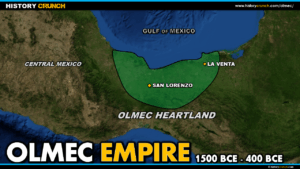
Today, the Toltec are remembered mostly for their influence on other Mesoamerican civilizations including the Aztec. Of all the early Mesoamerican civilizations, such as the Olmec and Teotihuacan, the Toltec had the most significant impact on the Aztec people. Much of the Aztec art and architecture was modelled after the Toltec, and the Toltec were admired for their craftsmanship and design.