Charles Townshend: A Detailed Biography

Facebook
X
Reddit
Pinterest
LinkedIn
Charles Townshend
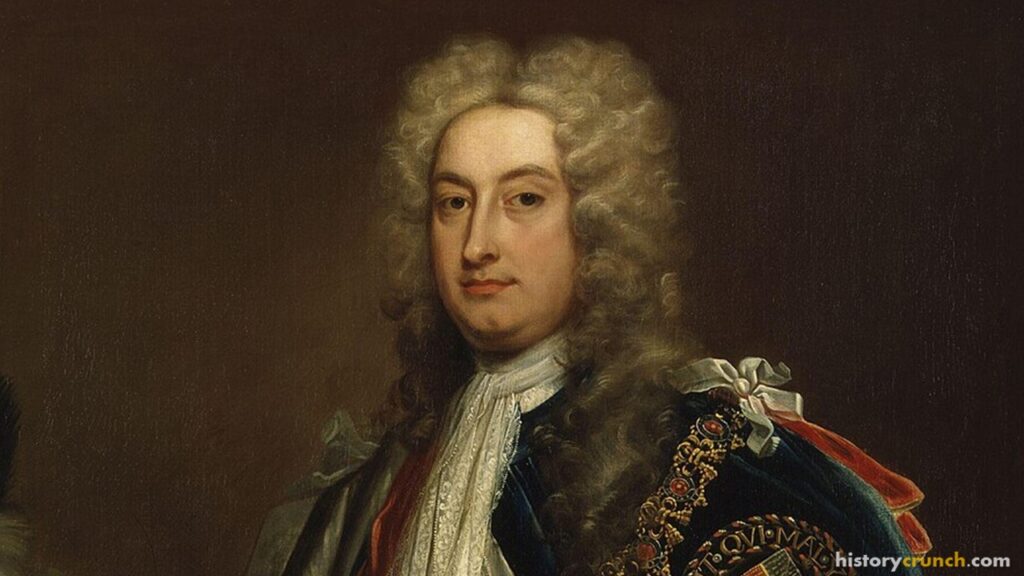
Portrait of Charles Townshend, 2nd Viscount Townshend by Godfrey Kneller (1715)

TABLE OF CONTENTS

Charles Townshend is remembered today as a significant statesman for England, but more importantly for his role in the British Agricultural Revolution and the innovation of crop rotation.

Charles Townshend was an English statesman who served as the Secretary of State for a decade. Often known as ‘Turnip Townshend’, he was a pivotal figure in early 18th-century British politics and agriculture. For example, Townshend notable for his roles in both the government and agricultural reform. His contributions to crop rotation significantly advanced farming practices, earning him a lasting place in agricultural history, alongside a turbulent and influential political career.

CHARLES TOWNSHEND – EARLY LIFE

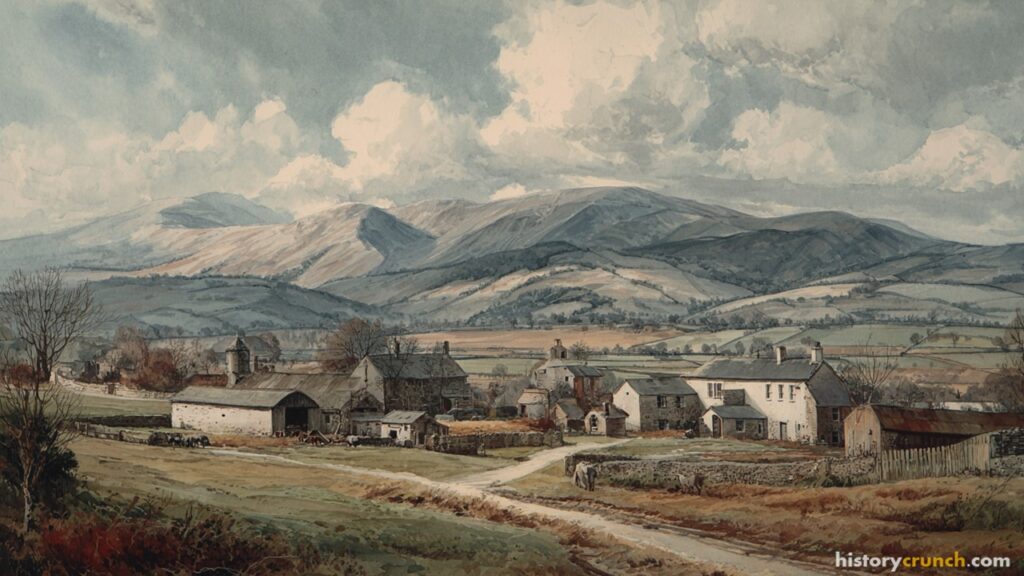
He was born on April 18th, 1674 at Raynham Hall, Norfolk, England.  He is best known for his role in the British Agricultural Revolution in the years before and during the Industrial Revolution.  Along with others such as Jethro Tull, he helped revolutionize food production in the country which led to a boom in the population.
British Agricultural Revolution
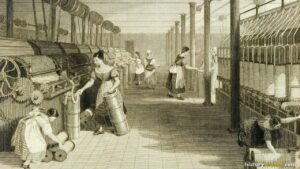
The British Agricultural Revolution was a major event in world history and had a profound effect on populations throughout Europe and other historical events.

CHARLES TOWNSHEND – CROP ROTATION

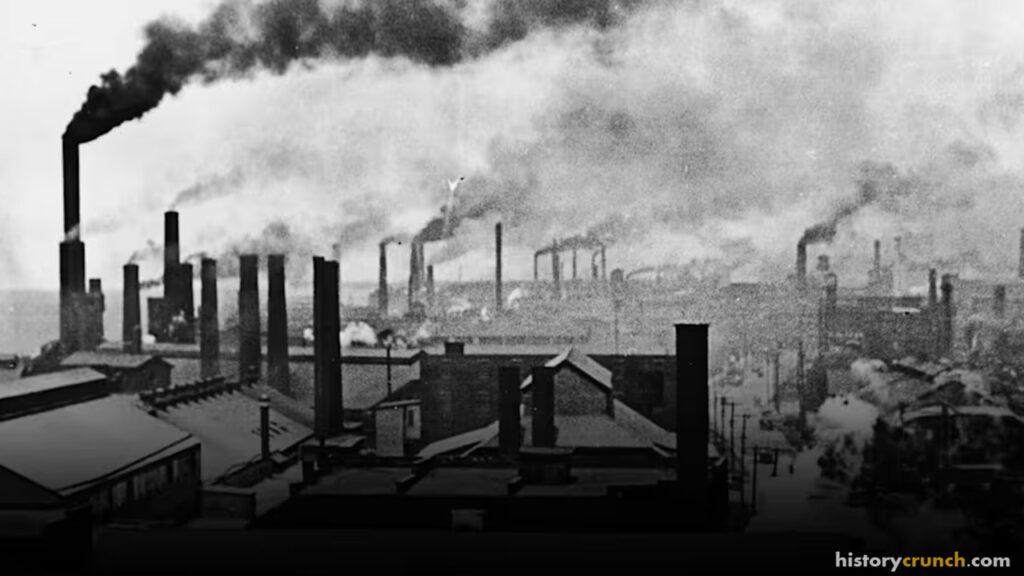
In the centuries before the start of the Agricultural Revolution, European farmers practised a form of farming in which they planted the same crop in the same field every year.  This caused them to have to not plant anything in the field every few years in order to avoid destroying the quality of the soil.  However, Charles Townshend, a British statesman, identified a way to improve farming practises and thus produce more food.  In the 1730s, he discovered that by growing different types of crops in the fields year after year, British farmers did not have to leave a field for a growing season.  For example, he argued that in one year the farmers should grow a cereal grain such as whet or barley and in a following year they should grow a vegetable crop such as turnips.  By doing so, a farmer could grow food in a field every year without diminishing the ability of the soil.  For his discovery, he became known as ‘Turnip Townshend’.  In general, this allowed British farmers to grow more food, which in turn helped lead to an increase in the population of British citizens.  The increased population was important to the beginning of the Industrial Revolution because it created a large workforce for the factories and mines that would be common during the time.
Industrial Revolution
The Industrial Revolution is a significant event in world history because it transformed European and North American societies from being based on agriculture production to industrial production.

CHARLES TOWNSHEND – DEATH AND LEGACY

He died on June 21st, 1738 at the age of 64 in Raynham Hall, Norfolk; the same place that he was born.  He is remembered today as a significant statesman for England, but more importantly for his role in the British Agricultural Revolution and the innovation of crop rotation.

Enclosure Movement
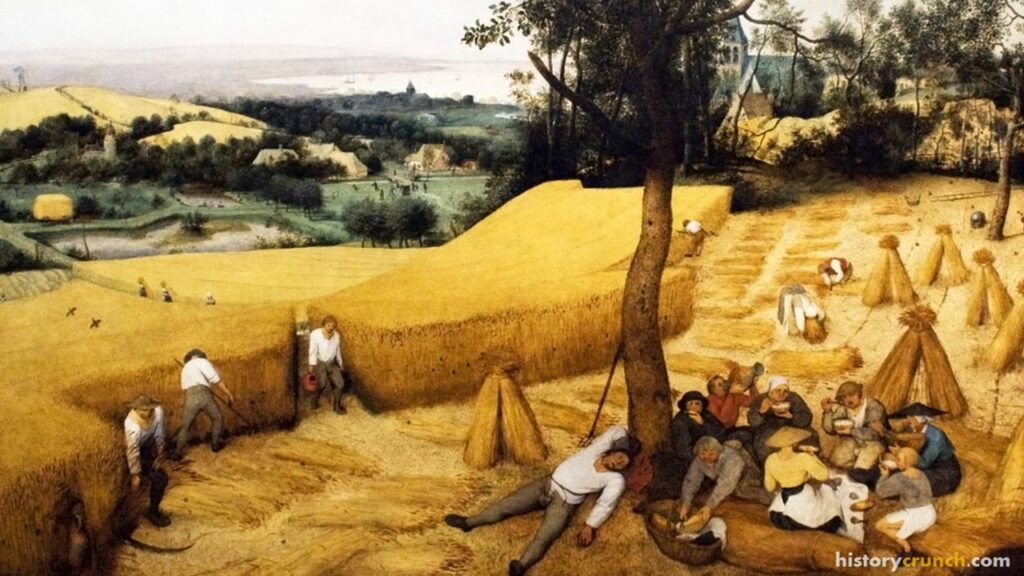
‘The Corn Harvest’ by Pieter Bruegel (1565)

We strive to produce educational content that is accurate, engaging and appropriate for all learners. If you notice any issues with our content, please contact us and let us know!

AUTHOR INFORMATION
Picture of Elias Beck

Elias Beck

I'm a passionate history and geography teacher with over 15 years of experience working with students in the middle and high school years. I have an Education Degree with a focus in World History. I have been writing articles for History Crunch since 2015 and love the challenge of creating historical content for young learners!

Modern Liberalism: A Detailed Summary

As an ideology, modern liberalism is associated with the center of the economic and spectrum because it allows for elements from both socialist ideologies and capitalist ideologies, combined with individual rights and freedoms and the principle of rule of law. This article details the main principles, history, positives and negatives of modern liberalism.

Franklin D. Roosevelt
Great Depression

Franklin D. Roosevelt: A Detailed Biography

Franklin D. Roosevelt, the 32nd President of the United States, is celebrated for his leadership during the Great Depression and World War II, and for implementing the transformative New Deal policies. This article details the life and significance of Franklin D. Roosevelt.

Christianity Beliefs: A Detailed Summary

Christianity beliefs are centered on a few main factors, such as the belief in the Trinity and the death and resurrection of Jesus Christ. This article details the main beliefs of Christianity.

Spanish and Aztec Meet
Aztec Empire

Spanish and Aztec Meet: A Detailed Summary

The Spanish and the Aztec societies first met when Hernan Cortes and his crew ventured into Aztec territory in the Valley of Mexico. What followed was the Spanish conquest of the Aztec Empire.