The factory system in the Industrial Revolution was a significant development that sped up production and transformed industrial societies throughout the 18th and 19th centuries. By shifting production from small, home-based workshops to large, centralized factories, the factory system introduced new efficiencies, technologies, and economic opportunities, but also brought significant social challenges and changes. This article details the history and significance of the factory system in the Industrial Revolution.
WHAT CAUSED THE FACTORY SYSTEM IN THE INDUSTRIAL REVOLUTION?
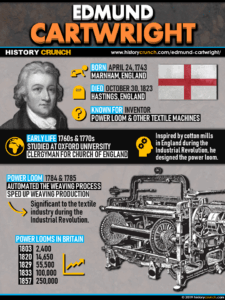
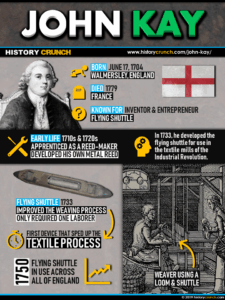
Before the Industrial Revolution, most goods were produced through cottage industries, which were small-scale operations often based in homes or small workshops. These industries relied on manual labor and simple tools which limited production capacity and efficiency. The factory system emerged as a solution to these limitations, driven by several key factors, including: technological innovations and economic demand. For instance, the invention of machinery like the spinning jenny, water frame, and power loom revolutionized textile manufacturing. These machines required space, consistent power sources, and organized labor, which small workshops in the cottage industry couldn’t provide. Next, the growing demand for goods, fueled by population growth and expanding markets, required more efficient production methods. As such, economic demand was a key driver in what led to the emergence of the factory system in the Industrial Revolution.

KEY FEATURES OF THE FACTORY SYSTEM IN THE INDUSTRIAL REVOLUTION
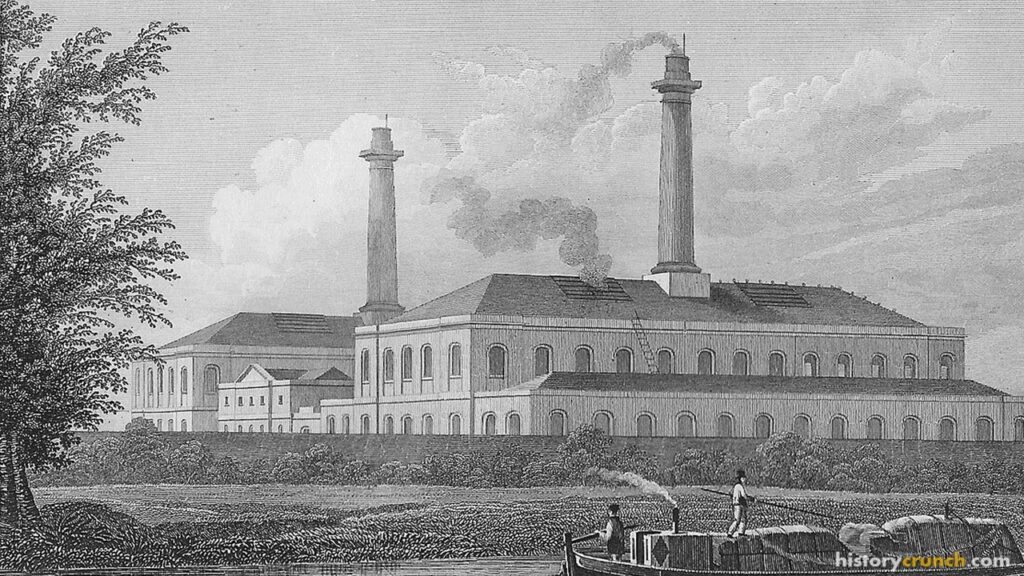
The factory system in the Industrial Revolution developed rapidly, particularly in Britain, which was the first country to undergo the effects of industrialization. Historians have identified several key elements of the development of the factory system, such as: the centralization of production, the use of machinery, the division of labor, and the standardization of products.
For Instance, factories in the Industrial Revolution centralized production under one roof, allowing for better supervision and coordination of labor and machinery. This setup significantly increased productivity and efficiency. Next, these factories introduced machinery that could perform tasks faster and more consistently than manual labor. In fact, innovations such as the steam engine provided reliable power sources, allowing factories to operate machinery continuously without the need for breaks. As well, the factory system introduced the division of labor, where production processes were broken down into simple, repetitive tasks. Each worker specialized in one task, increasing efficiency and output. This approach was different from the diverse skills required in cottage industries. Finally, the factories standardized the production process, ensuring better consistency and quality in the goods produced. This standardization allowed for mass production and made products more affordable and accessible to a broader market. In fact, this was one of key features of the factory system in the Industrial Revolution.

IMPACTS OF THE FACTORY SYSTEM IN THE INDUSTRIAL REVOLUTION
The factory system had several important economic and social impacts. First, the development of the factory system played a crucial role in the rapid industrialization of economies. By increasing production capacity and efficiency, factories boosted economic growth and contributed to the rise of industrialized nations. Key industries such as textiles, iron, and coal mining expanded significantly, driving economic development. As stated before, the first country to benefit was Britain, since it was the first to undergo industrialization. However, the effects of industrialization soon spread across Europe and North America.
The next main impact of the establishment of factories is that it created numerous job opportunities, attracting people from rural areas to cities in search of work. This caused migration which led to rapid urbanization, with cities growing quickly around industrial centers. The increase of workers into urban areas resulted in the expansion of housing, infrastructure, and public services. As a result, cities grew dramatically during the timeframe of the Industrial Revolution, and this trend continues still today.
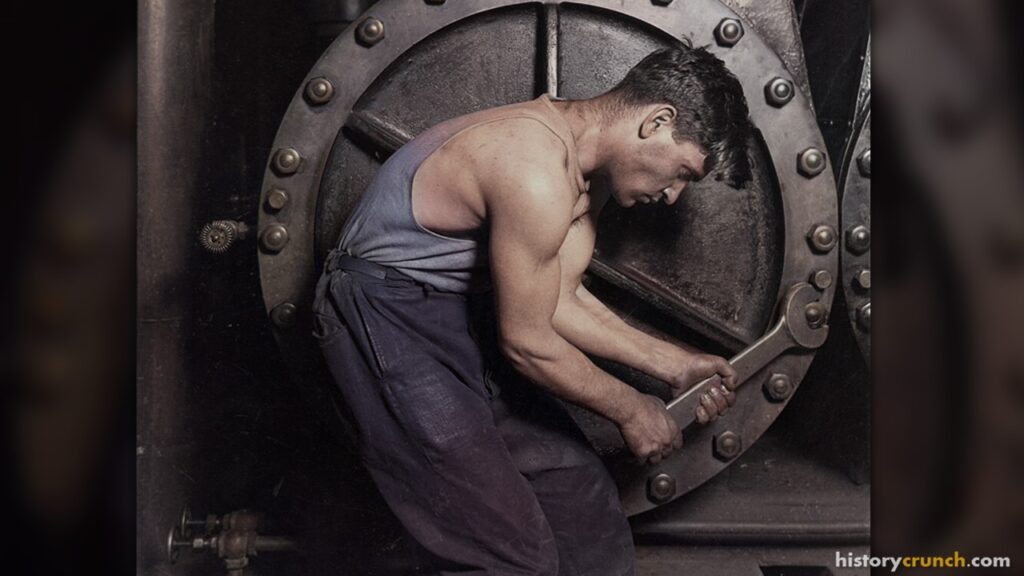
The factory system also brought significant changes to labor practices. Unlike cottage industries, where workers had flexibility and control over their work, factory work was characterized by long hours, strict schedules, and often harsh conditions. For example, workers, including men, women and children, were required to perform repetitive tasks under close supervision. This shift led to the rise of labor movements advocating for workers’ rights, better wages, and improved working conditions.