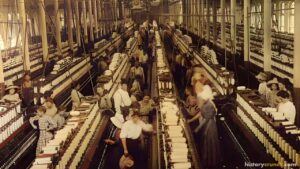
Thomas Newcomen: A Detailed Biography

Thomas Newcomen
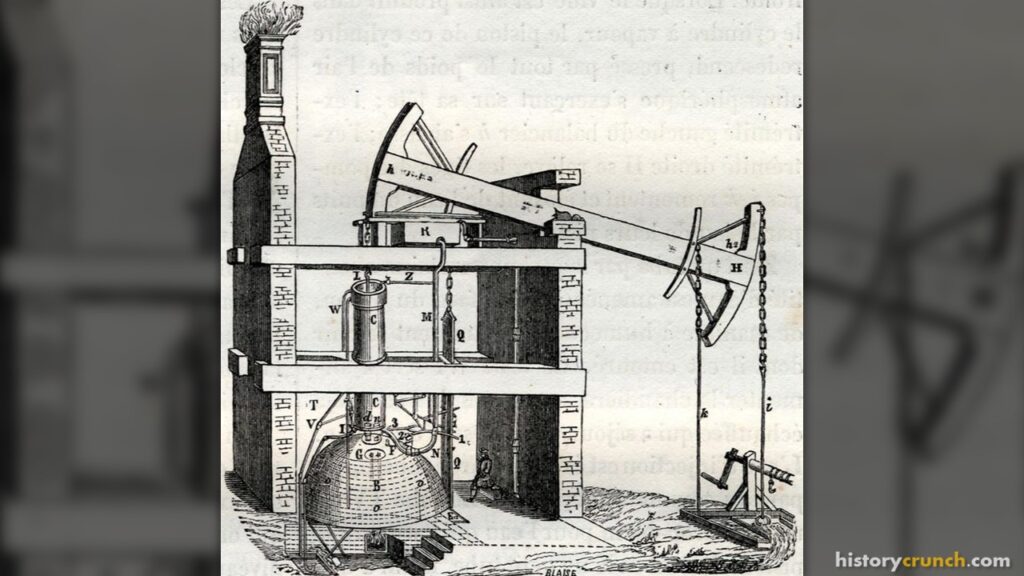
Steam Engine design by Thomas Newcomen.
Thomas Newcomen was an English inventor who developed the first practical steam engine, known as the Newcomen atmospheric engine, in 1712, which was primarily used for pumping water out of mines.

Table of Contents

Thomas Newcomen was a pioneering inventor whose work laid the groundwork for the Industrial Revolution. Known primarily for developing the first practical steam engine, Newcomen’s contributions to engineering and industrial technology were pivotal in transforming industries reliant on manual labor and animal power.

THOMAS NEWCOMEN – EARLY LIFE

Thomas Newcomen was born in Devon, England in 1663. Little is known about his early education, but it is likely that he received some schooling typical for a boy of his background, which included basic reading, writing, and arithmetic. His upbringing in a bustling port town would have exposed him to various trades and the emerging needs of the industrial age.

THOMAS NEWCOMEN – INVENTION OF THE STEAM ENGINE

As a young man, Newcomen worked as an ironmonger in Devon. Newcomen produced items for Cornish tin mine owners who often complained that they were struggling to deal with flooding in their mines. Traditional methods of removing water from the mines were slow, and hard work. Newcomen realized that he could help the tin mine owners. He developed a pump engine that used a piston in a cylinder; it was the first of its kind.  As such, Newcomen is often remembered today as the inventor of the steam engine, which revolutionized life for people during the Industrial Revolution. Newcomen went into partnership with Thomas Savery, who had developed the vacuum pump which Newcomen had based his piston pump engine on. The partnership ensured that Newcomen did not infringe on Savery’s patent.

Following the partnership, Newcomen was able to work freely. The first piston pump engine was installed in the coal mine at Dudley Castle. The pump was able to raise 10 gallons of water from a mine that was over 156 feet deep much faster than men had ever been able to. Although the engine was reliable and was able to work 24 hours a day, it was inefficient. Despite this, the Newcomen engine was used across England and helped during the Industrial Revolution by helping mines to continue functioning without getting flooded.
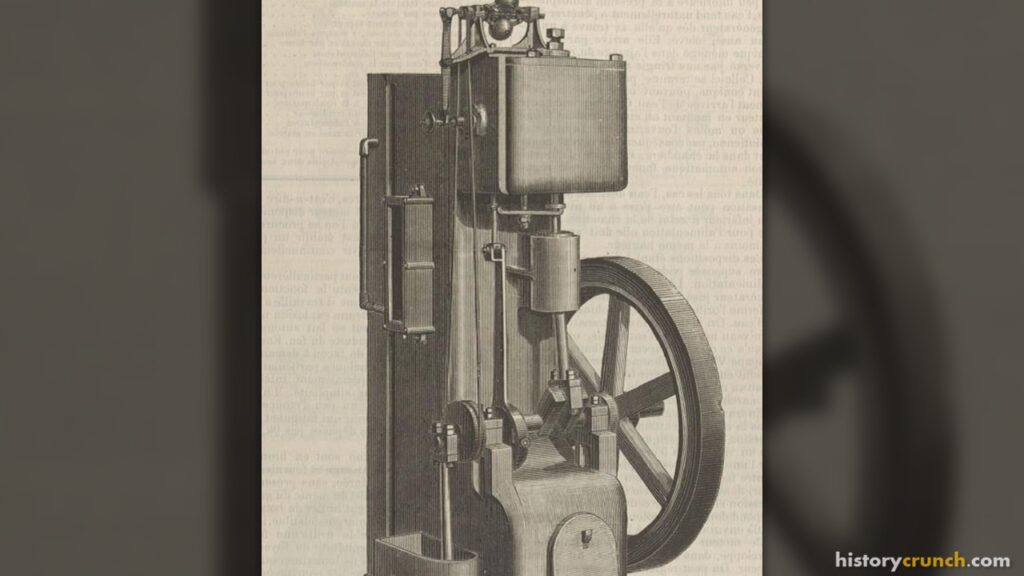
Invention of the Steam Engine
Steam Engine from 1885.

THOMAS NEWCOMEN – DEATH AND LEGACY

By 1729, the year that Newcomen died, there were over 100 Newcomen engines in mines across Britain and Europe. Newcomen’s engine was a monumental step forward in industrial technology and had far-reaching impacts on various industries. Later, James Watt famously improved upon Newcomen’s original design and the steam engine became a fixture for life during the Industrial Revolution.
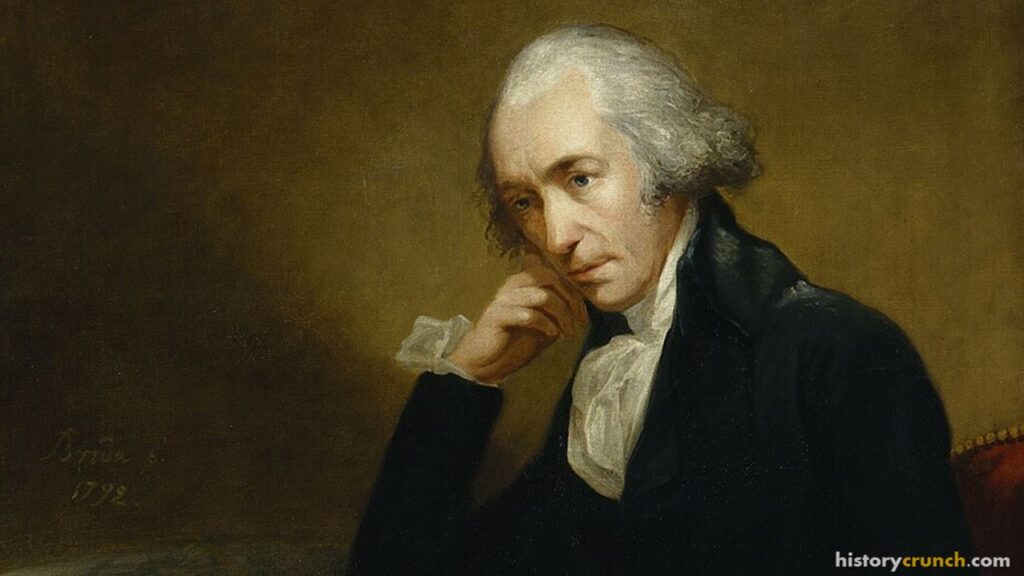

James Watt
‘Portrait of James Watt’ by Carl Frederik von Breda (1792)
Facebook
X
Reddit
Pinterest
LinkedIn

We strive to produce educational content that is accurate, engaging and appropriate for all learners. If you notice any issues with our content, please contact us and let us know!

AUTHOR INFORMATION
Picture of Elias Beck

Elias Beck

I'm a passionate history and geography teacher with over 15 years of experience working with students in the middle and high school years. I have an Education Degree with a focus in World History. I have been writing articles for History Crunch since 2015 and love the challenge of creating historical content for young learners!
Louis XVI Infographic
Infographics

Louis XVI: Infographic

This Louis XVI infographic was created by History Crunch to help students and teachers quickly understand the life, reign and historical significance of the King of France who ruled during the French Revolution. It covers his early life, his role in the outbreak of the revolution, his attempted flight from France and his execution by guillotine in 1793. Designed for students in grades 5 to 12.

Causes of the Industrial Revolution
Industrial Revolution

Causes of the Industrial Revolution: A Detailed Summary

Historians have identified several causes for the Industrial Revolution, including: the emergence of capitalism, European imperialism, efforts to mine coal, and the effects of the British Agricultural Revolution.

King George V: A Detailed Biography

King George V was Britain’s monarch throughout World War I, known for his tireless support of troops, his creation of the House of Windsor and his steady leadership during one of the most turbulent periods in British history. This article details the life and significance of King George V.

Sojourner Truth
American Civil War

Sojourner Truth: A Detailed Biography

Sojourner Truth was an influential African American abolitionist and women’s rights activist renowned for her powerful speeches, including the iconic “Ain’t I a Woman?” address.

George McClellan: A Detailed Biography

George McClellan was a Union general during the American Civil War best remembered for building the Army of the Potomac and for being too cautious to use it effectively, leading President Lincoln to remove him from command twice. This article details the life and significance of George McClellan.