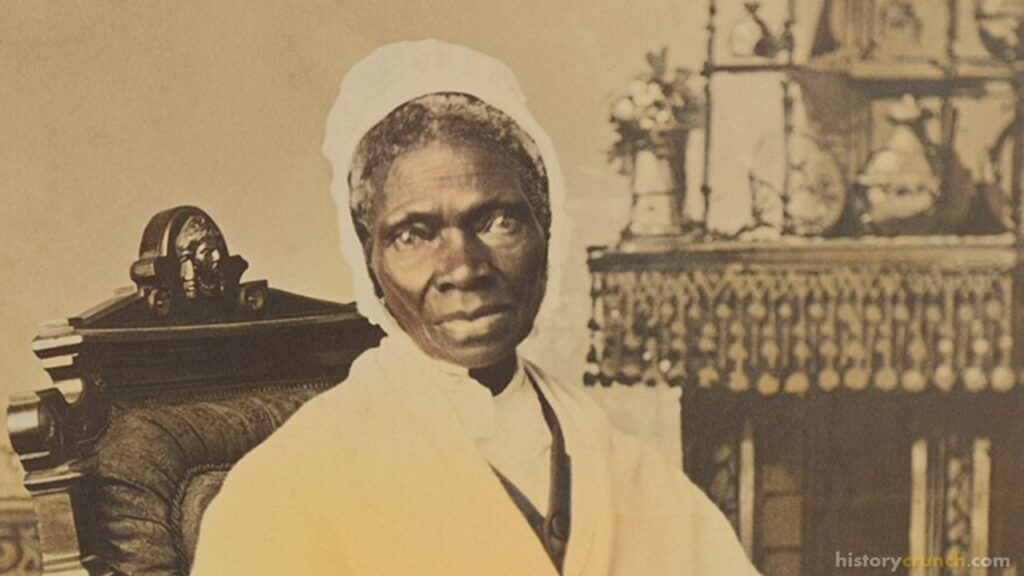
Sojourner Truth was born into slavery and yet rose to become one of the most influential voices for justice and equality in American history. Through her impassioned speeches and tireless activism, she played a crucial role in both the abolitionist and women’s rights movements in the United States. As such, she is an important figure in the Women’s Suffrage Movement and American Abolitionist Movement.
SOJOURNER TRUTH – EARLY LIFE AND ENSLAVEMENT
Sojourner Truth was born ‘Isabella Baumfree’ around 1797 in Swartekill, Ulster County, New York. Her exact date of birth is unknown. As well, it is important to note that she didn’t change her name to ‘Sojourner Truth’ until 1843.
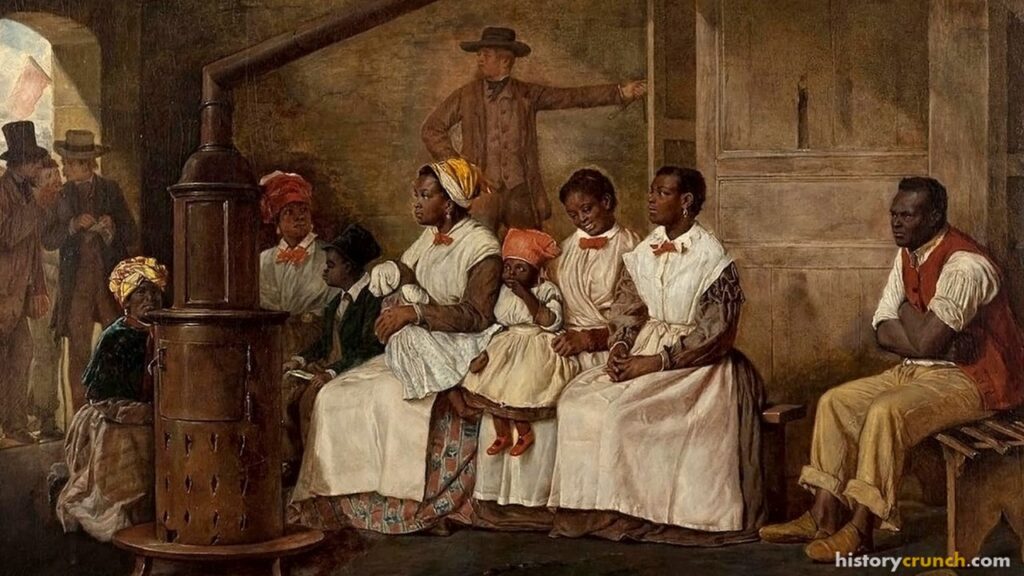
She was one of the twelve children of James and Elizabeth Baumfree, who were enslaved by Dutch-speaking colonists. As such, the first language that she learned to speak was Dutch. Truth’s early life was marked by hardship and suffering as she witnessed the brutal realities of slavery from a young age.
In fact, as a child, Truth was sold multiple times. She experienced the cruelty of different masters, enduring harsh physical labor and punishment. For instance, at the age of nine, she was sold along with a flock of sheep for $100. Her subsequent owner, John Neely, was particularly brutal and was known to beat her frequently. Despite these challenges, Truth’s strong spirit and determination remained unbroken.
In fact, she married an older enslaved man named Thomas and had five children.
SOJOURNER TRUTH – ESCAPE FROM SLAVERY
In 1826, at the age of 29, Sojourner Truth made the courageous decision to escape from slavery. She fled with her infant daughter, Sophia, finding refuge with an abolitionist family, the Van Wageners. They bought her freedom for $20 and helped her successfully sue for the return of her son Peter, who had been illegally sold to a plantation in Alabama. This victory was one of the first times an African American woman successfully challenged a white man in the United States courts.
SOJOURNER TRUTH – THE ACTIVIST
In 1843, she experienced a profound religious conversion. Inspired by her deep faith, she changed her name to Sojourner Truth, believing that she was called by God to travel and preach about abolition and women’s rights. Her new name symbolized her mission: to be a traveler (“sojourner”) spreading the “truth” about the injustices of slavery and the need for equality.
Sojourner Truth began her journey as a traveling preacher, speaking to various religious congregations and communities. Her powerful speeches and unwavering conviction quickly gained her a following. She used her platform to address issues of racial and gender inequality, drawing connections between the oppression of enslaved people and the experiences of women in America.
Sojourner Truth’s involvement in the abolitionist movement (fight to end slavery) brought her into contact with prominent activists such as Frederick Douglass, William Lloyd Garrison, and Harriet Beecher Stowe. She worked closely with the abolitionist movement, participating in rallies, giving speeches, and distributing anti-slavery literature. In fact, she gained widespread recognition for her speeches.
One of Sojourner Truth’s most famous speeches, “Ain’t I a Woman?” delivered at the Ohio Women’s Rights Convention in 1851, powerfully addressed the issues of race and gender. In this speech, she challenged the idea of racial and gender inferiority, arguing for the recognition of Black women’s humanity and rights. Her words resonated deeply, leaving a lasting impact on both the abolitionist and women’s rights movements.
SOJOURNER TRUTH – CIVIL WAR
During the Civil War, Sojourner Truth dedicated herself to supporting the Union cause. For example, she recruited Black soldiers for the Union Army and emphasized the fight against slavery. She also worked tirelessly to improve living conditions for formerly enslaved people, advocating for better treatment and equal rights.
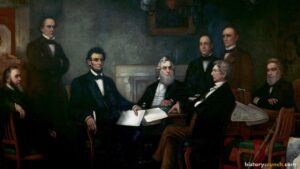
In 1864, Sojourner Truth met with President Abraham Lincoln at the White House. She discussed the plight of formerly enslaved people and the importance of the Union’s efforts to abolish slavery. This meeting symbolized her significant influence and recognition as a leading voice in the fight for justice and equality.

SOJOURNER TRUTH – WOMEN’S RIGHTS MOVEMENT
Sojourner Truth was also a prominent advocate for women’s suffrage. She believed that women, especially Black women, deserved the same rights and opportunities as men. Her speeches often highlighted the interconnectedness of racial and gender oppression, urging both movements to work together for comprehensive equality.
SOJOURNER TRUTH – DEATH AND LEGACY
In her later years, Sojourner Truth continued to travel and speak on behalf of marginalized communities. More specifically, she advocated for land grants for formerly enslaved people and worked to secure better living conditions for them. Her commitment to social justice never wavered, even as she aged.
Sojourner Truth died on November 26th, 1883, in Battle Creek, Michigan. Her life and legacy have been commemorated in numerous ways, including statues, memorials, and educational programs. She is remembered as a pioneering force for both the abolitionist and women’s rights movements. As such, she is a significant person in American history.