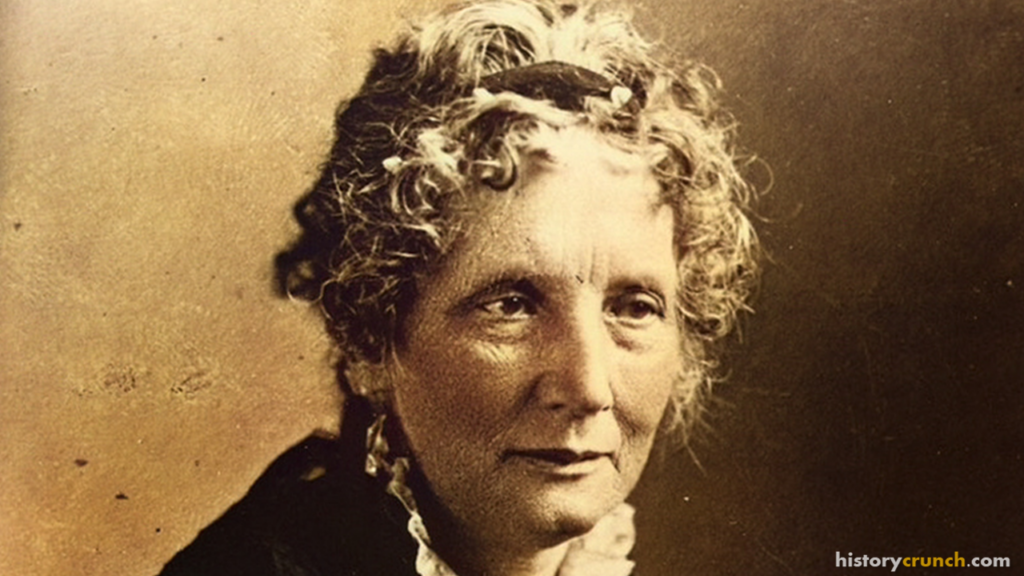
Harriet Beecher Stowe was a famous American author who was a significant figure in the American Abolitionist Movement of the 19th century. Today she is best remembered for the novel ‘Uncle Tom’s Cabin’ which she published in novel form in 1852. The novel was an important work at the time for the abolitionist movement as it brought to light the realities of life for slaves in the United States. In fact, it was considered a significant factor in the lead up to the American Civil War, which began in 1861.
HARRIET BEECHER STOWE’S EARLY LIFE
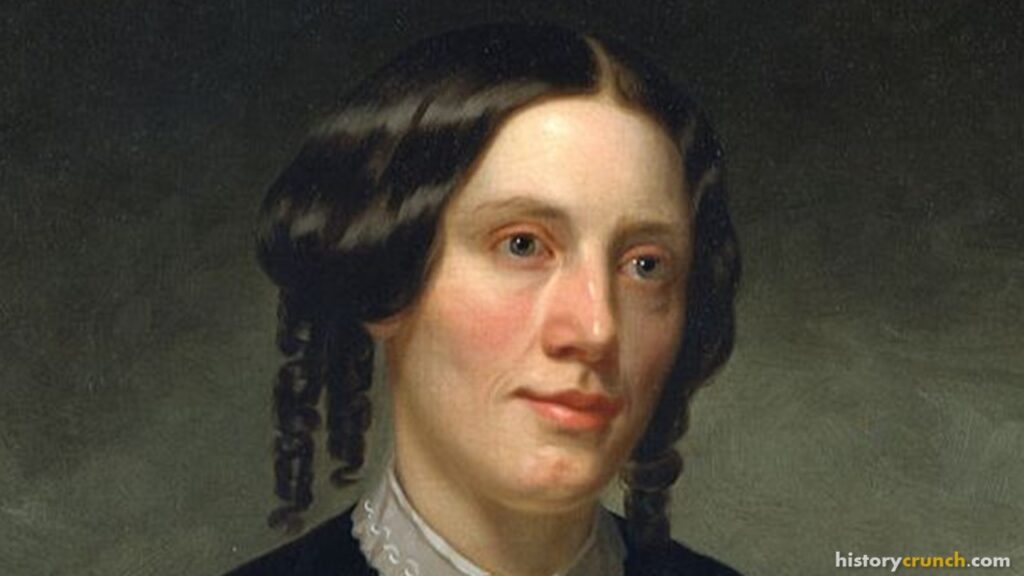
Harriet Beecher Stowe was born on June 14th, 1811 in Litchfield, Connecticut. Her parents were devout Christians. For instance, her father, Lyman Beecher, was a preacher. Her mother, Roxana Foote, died when Harriet was just five years old. Regardless, Harriet Beecher Stowe received an education that few girls in time did, and was trained in many different fields of academics.
In 1832, Stowe moved to Cincinnati, Ohio. In Cincinnati she continued her academic life, especially in relation to writing. However, she also gained insights into the life of different types of people. For instance, in Cincinnati she witnessed different aspects of the slave trade and slave life in America. For example, she saw many escaped slaves who had fled from plantations in the Southern states. Furthermore, she was exposed to the main ideas of abolitionism at the time. This was significant for Stowe because it eventually helped form her basis for writing her most famous work titled ‘Uncle Tom’s Cabin’.
Harriet Beecher Stowe’s abolitionist views further in January of 1836 when she married Calvin Ellis Stowe. Calvin was an educated professor of literature and held anti-slavery views. In fact, the couple were known to support the activities of the Underground Railroad, by housing escaped slaves.
HARRIET BEECHER STOWE’S ‘UNCLE TOM’S CABIN’
As stated above, Harriet Beecher Stowe was inspired to write her novel ‘Uncle Tom’s Cabin’ due to what she witnessed occurring in the society around her. However, it should also be noted that she was inspired by other first-hand slave narratives from the time. Regardless, she first published the famous work in a weekly serial format in the newspaper from Washington D.C. titled ‘The National Era’. This means that small portions of her novel were published in the newspaper each week. In fact, there was a weekly installment of ‘Uncle Tom’s Cabin’ publish each week from June 5th, 1851, until April 1st, 1852. ‘The National Era’ newspaper was focused on abolitionist viewpoints and was published from 1846 to 1860, which are the main years before the lead up to the American Civil War.
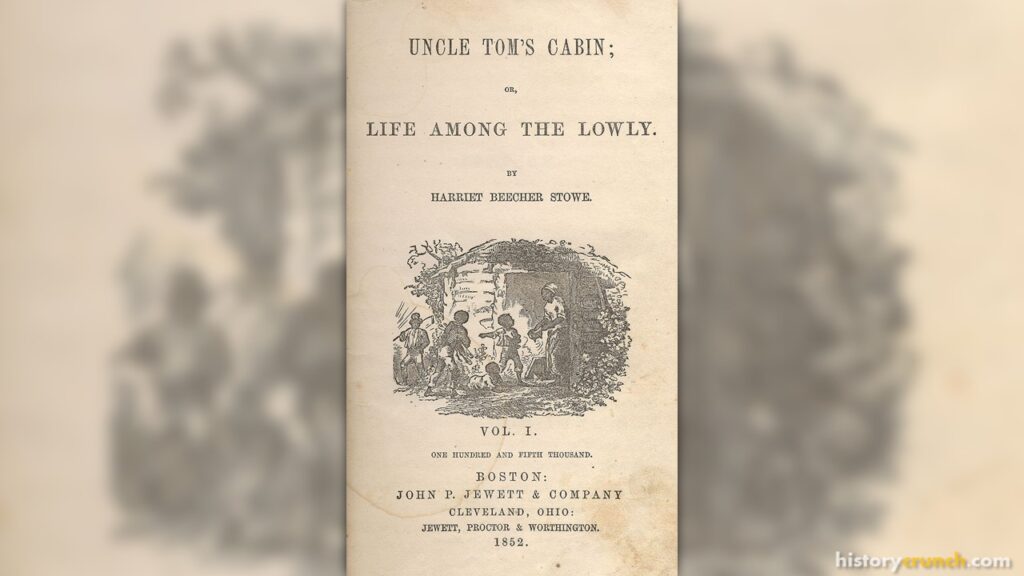
Due to the success of the serial publication in the newspaper, publisher John P. Jewett approached Stowe about publishing the story in a novel format. As such, ‘Uncle Tom’s Cabin’ was published as a novel on March 20th in 1852. It was a successful publication and sold more than 300,000 copies in the first year. It continued its success around the world and was published in multiple different languages. However, outside of the United States, ‘Uncle Tom’s Cabin’ was most successful in Britain. In fact, it is estimated that as many as 1.5 million copies of the novel were in circulation in Britain by 1862. For the time frame, this was an incredibly successful publication.
At its heart, ‘Uncle Tom’s Cabin’ was a story about the hardships of slavery and how they impacted different aspects of American life. It follows the experiences of a few main characters, of which ‘Uncle Tom’ was one. More specifically, Uncle Tom was a slave who was sold and transported across different parts of the United States. During his journeys, Tom was viewed as a devout Christian. As such, Stowe wrote his character in order to help readers empathize with him. Therefore, from an abolitionist viewpoint, Stowe was trying to make people view slavery and slaves in a new light. Her anti-slavery views were well received in the Northern states of the United States. However, in the Southern states, Stowe and ‘Uncle Tom’s Cabin’ were viewed quite negatively, with some people openly criticizing her.
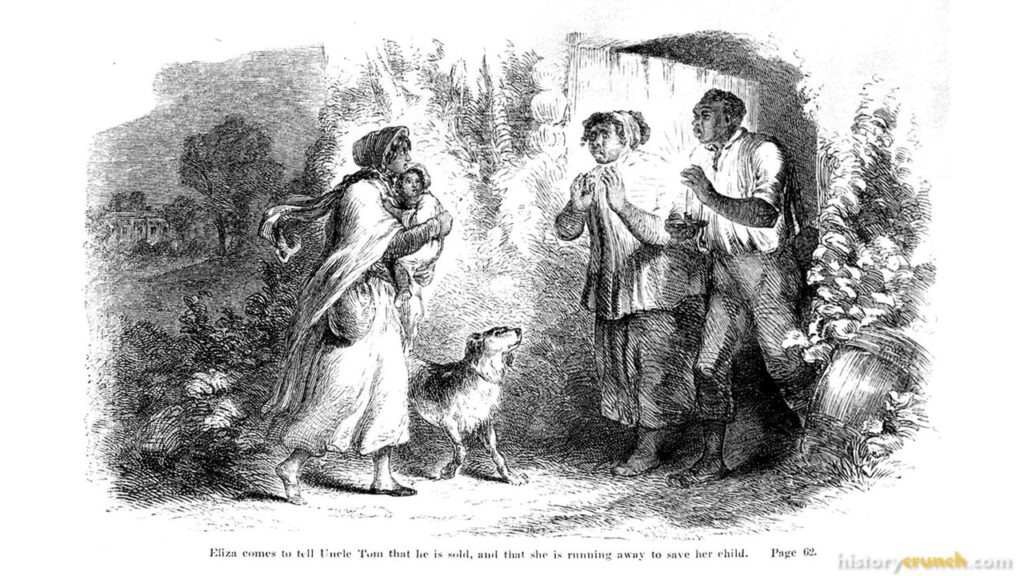
Regardless, some historians have argued that ‘Uncle Tom’s Cabin’ had an impact on the outbreak of the American Civil War. As stated above, Stowe’s famous novel was published in 1852. This means that it was published less than a decade before the start of the Civil War. Obviously, the novel supported the main points of the American Abolitionist Movement at the time. The American Abolitionist Movement is the name for the advancements made in the United States towards ending the practise of slavery. For instance, the term ‘abolition’ means to stop or end something. As such, an abolitionist is someone who was working to ban slavery. The American Abolitionist Movement is considered to have occurred from the late 1700s until 1865 when the American government abolished slavery following the end of the American Civil War.
The publication of ‘Uncle Tom’s Cabin’ also highlighted the growing divide between the Northern and Southern states on the issue of slavery. While slavery remained quite popular in the South states, many Northerners began to openly oppose it. This divide led to the eventual outbreak of the Civil War in 1861.
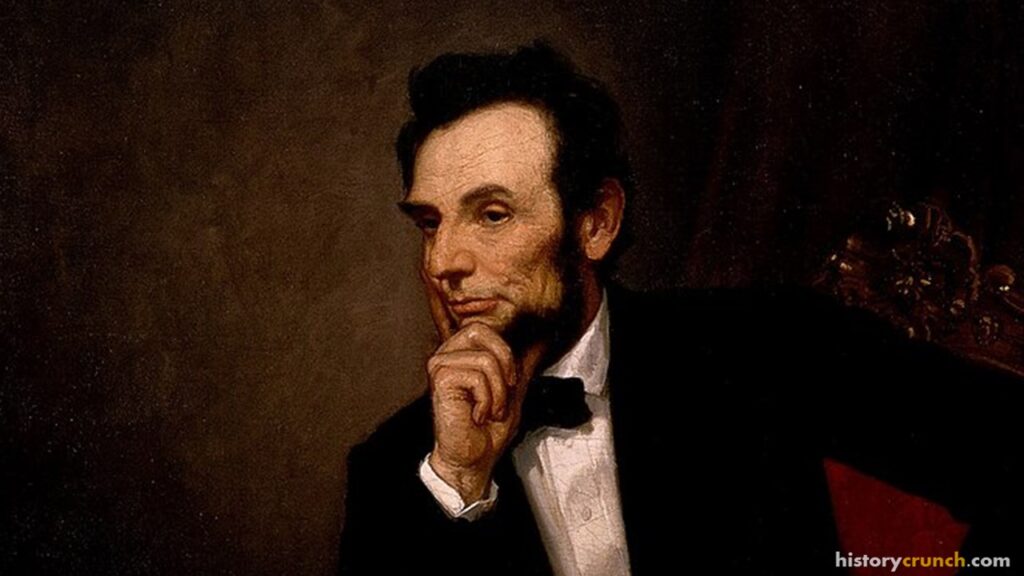
Finally, there is also a historical claim that American President Abraham Lincoln commented on the impact of ‘Uncle Tom’s Cabin’ in relation to the American Civil War. For instance, Harriet Beecher Stowe met with Lincoln on November 25th in 1862, during the early years of the Civil War. At this meeting, it has been stated that Lincoln comment the following: “So you are the little woman who wrote the book that started this great war.” This would imply that Lincoln felt that Stowe’s novel played a role in the start of the Civil War. It should be noted that this claim has not necessarily been confirmed. Regardless, whether or not ‘Uncle Tom’s Cabin’ led to the Civil War, it certainly highlighted the growing divide that existed in the United States in terms of the issue of slavery.
HARRIET BEECHER STOWE’S LATER YEARS & DEATH
In her later years, Stowe split her time between property she purchased in Florida and pursuits she undertook in Connecticut. For instance, during the years after ‘Uncle Tom’s Cabin’ she worked briefly as a magazine editor and helped open an arts school in Hartford. As well, she promoted the idea of women’s rights and pushed for more equality in society. However, Stowe struggled with her health in her later years.
Modern historians believe that Harriet Beecher Stowe may have struggled with Alzheimer’s Disease or dementia in her later years. For instance, it was reported that she suffered from mental illness from about the time of 1888. She was approximately 77 years old at this point. Supposedly, Stowe had lost her memory and spent her days rewriting ‘Uncle Tom’s Cabin’ as she believed she was writing it for the first time. She eventually died on July 1st, 1896 in Hartford Connecticut. Today, she is remembered for the incredible impact she had on American literature, and the practise of slavery in the United States. ‘Uncle Tom’s Cabin’ has gone on to several different versions, including dramatic plays and movies. It has also inspired other writers and artists to compose their own works.