The Interwar Period, spanning from the end of World War I in 1918 to the beginning of World War II in 1939, was an important historical time in the 20th century. This era witnessed significant political, economic, social, and cultural changes that reshaped the world in impactful ways. For instance, the Interwar Period saw the world emerge from the devastation of World War I, but also involved the rise of extremist ideologies that eventually resulted in the outbreak of World War II.
INTERWAR PERIOD – ECONOMICS
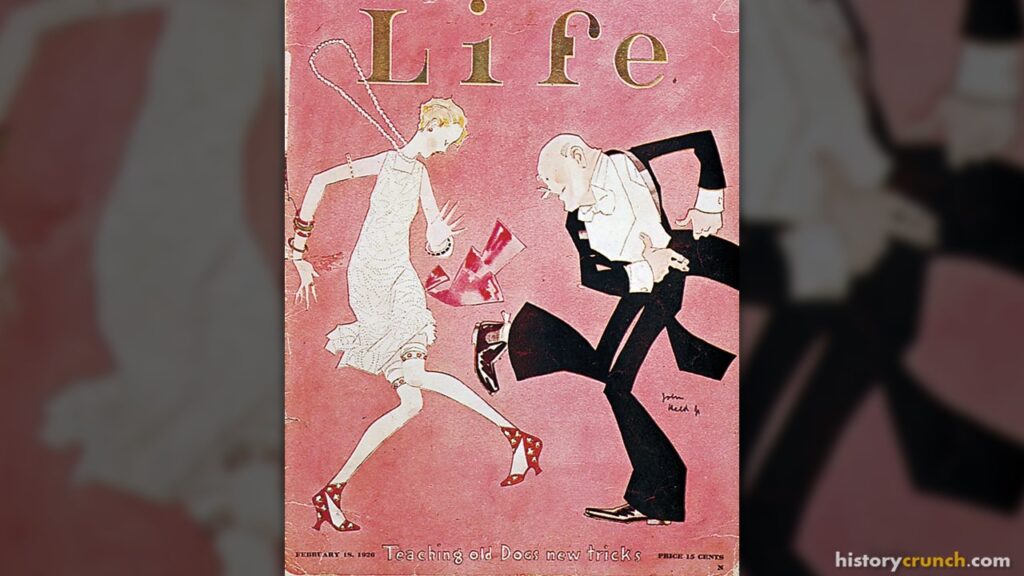
The global economy during the Interwar Period experienced significant fluctuations, which profoundly impacted societies worldwide. In fact, the economy during this time boomed during the 1920s and later went into a recession in the 1930s. For instance, the 1920s, often referred to as the ‘Roaring Twenties’, was a time when the economy was booming. This economic boom led to profound social changes. With that said, the economic boom of the Roaring Twenties was short-lived and replaced by the economic depression of the 1930s.
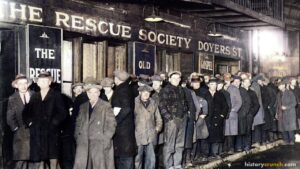
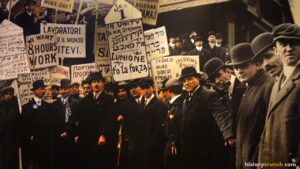
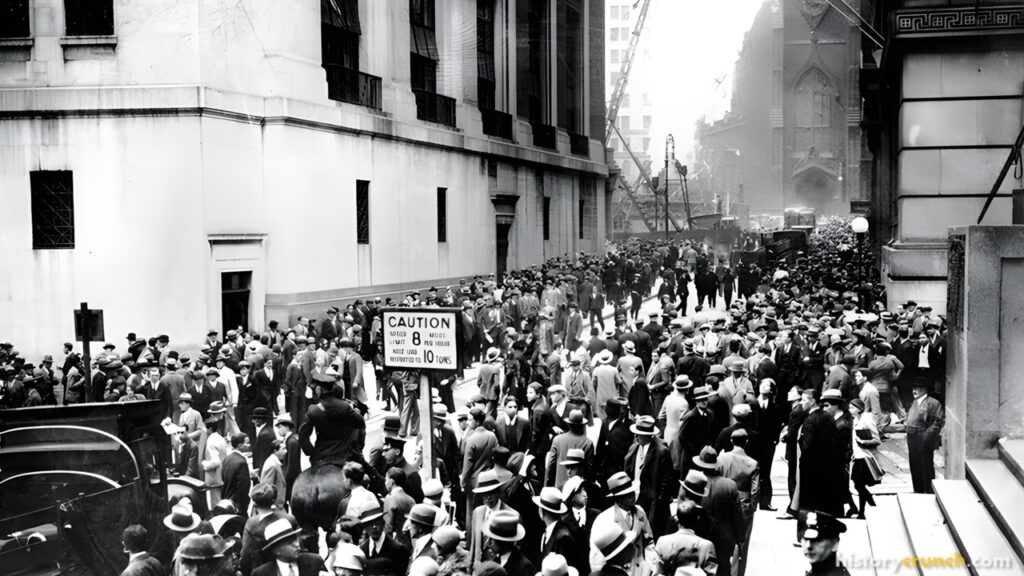
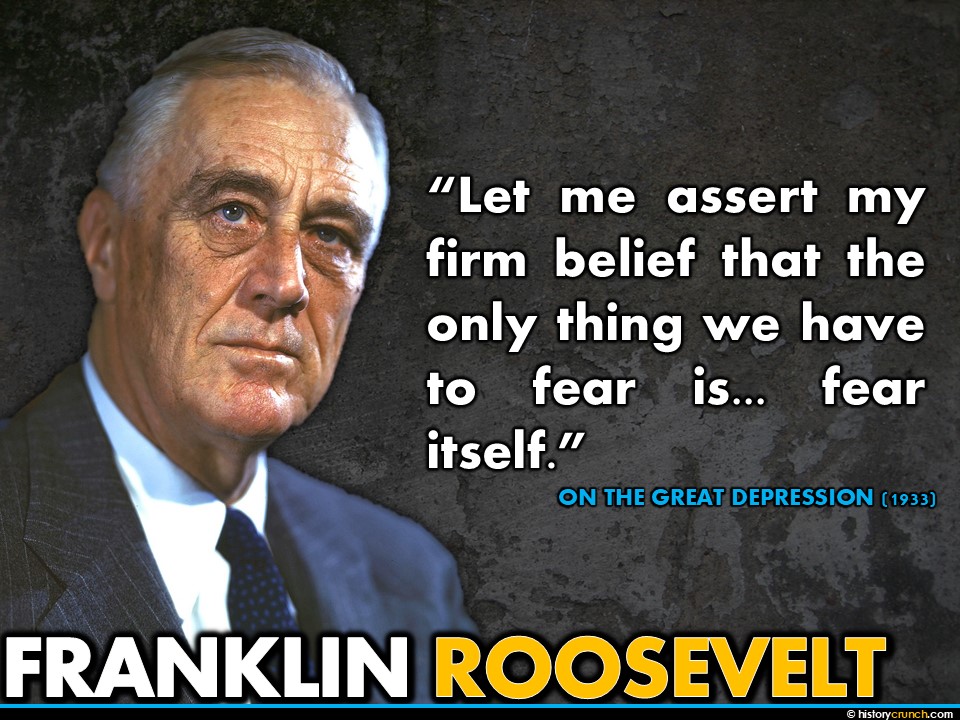
The most notable economic event of the Interwar Period was the Great Depression, which began with the stock market crash of 1929 in the United States and quickly spread globally. This economic crisis led to widespread unemployment, poverty, and social unrest. Governments implemented various economic policies to combat the depression, with varying degrees of success.

In response to the Great Depression, different countries adopted various economic strategies. In fact, in the United States, President Franklin D. Roosevelt introduced the New Deal, which was a series of programs aimed at providing relief, recovery, and reform to the American economy. In contrast, European countries experimented with different approaches, including social welfare programs.
Regardless, the economic hardships of the Interwar Period had a profound impact on the people of the time and led to many changes politically and socially.
INTERWAR PERIOD – POLITICS
The political landscape of the interwar period was marked by dramatic political changes and the rise of new ideologies. The aftermath of World War I saw the collapse of empires, including the Austro-Hungarian, Ottoman, German, and Russian Empires, which resulted in the creation of new nations and the redrawing of borders in Europe. This was significant because not all nations agreed with these changes, and it led to increased tensions among some of the European countries.
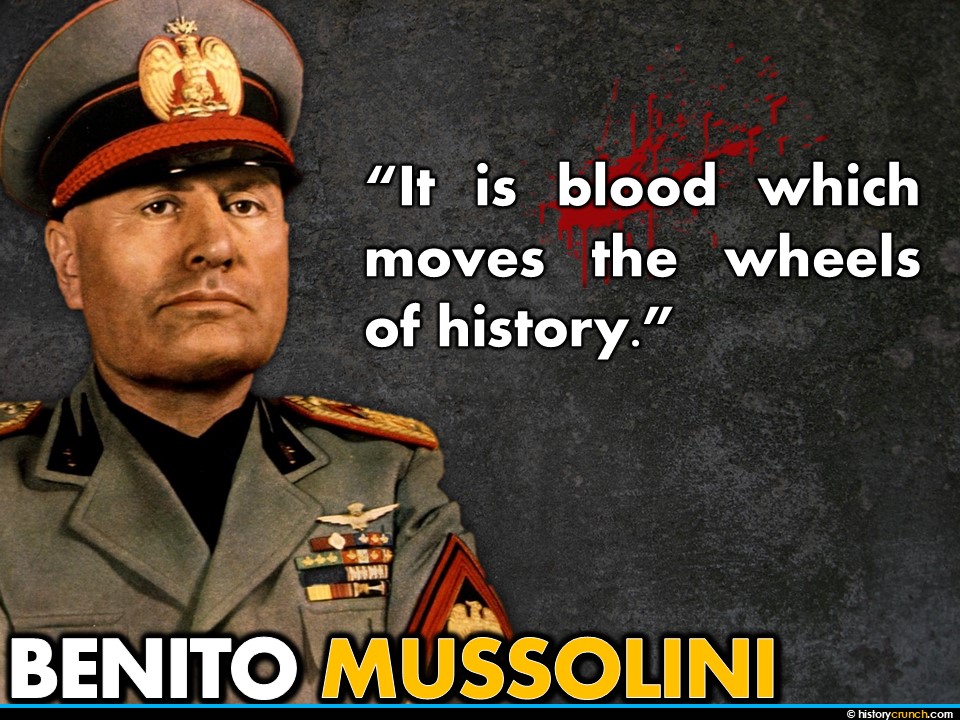
As stated above, the Interwar Period also saw the rise of new ideologies. More specifically, this era involved the emergence or growth of extremist ideologies, including fascism and communism. For instance, in Italy, Benito Mussolini established a fascist dictatorship, while in Germany, Adolf Hitler and the Nazi Party rose to power, promoting a dangerous ideology of nationalism and anti-Semitism. Meanwhile, the Soviet Union under Joseph Stalin solidified its totalitarian communist state, emphasizing centralized control and suppressing political dissent.
At the same time, many democracies struggled to cope with the economic and political instability of the Interwar Period. For example, the Weimar Republic in Germany faced severe challenges, including hyperinflation, political extremism, and social unrest, which ultimately contributed to its downfall and the rise of the Nazis. Furthermore, incidents like the Spanish Civil War (1936-1939) highlighted the ideological struggles between fascism and democracy.
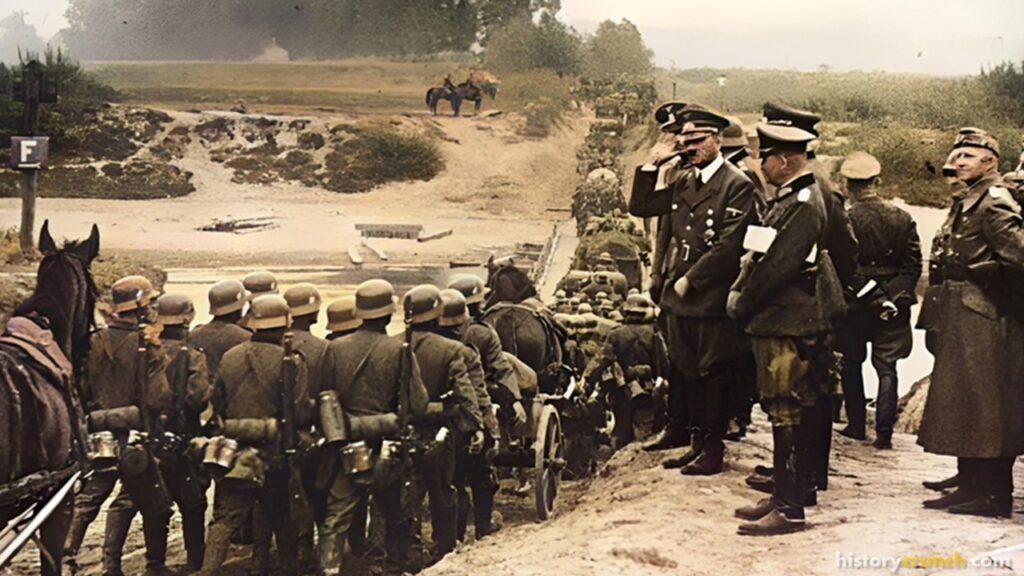
In the end, the economic and political challenges of this time ultimately resulted in the outbreak of World War II in 1939, when Nazi Germany invaded Poland.
INTERWAR PERIOD – SOCIAL CHANGE
The Interwar Period was also a time of significant social changes that influenced daily life and societal structures. For instance, rapid urbanization occurred as people moved from rural areas to cities in search of employment and better living conditions. This migration led to the growth of urban centers and created changes in lifestyles for millions of people.
Furthermore, the roles of women in society began to shift during this period. Following World War I, many women had entered the workforce, and although some returned to traditional roles after the war, the foundation for future gender equality movements was laid. For instance, the 1920s, often referred to as the ‘Roaring Twenties’, saw women gaining more social freedoms, including the right to vote in many countries.
The Interwar Period was also a time of great cultural developments, with significant contributions to art, literature, and music. For example, Jazz music gained popularity during the 1920s (Roaring Twenties), known as the Jazz Age, influencing both culture and social interactions. Musicians like Louis Armstrong and Duke Ellington became cultural icons, and jazz clubs became popular social venues for young people.