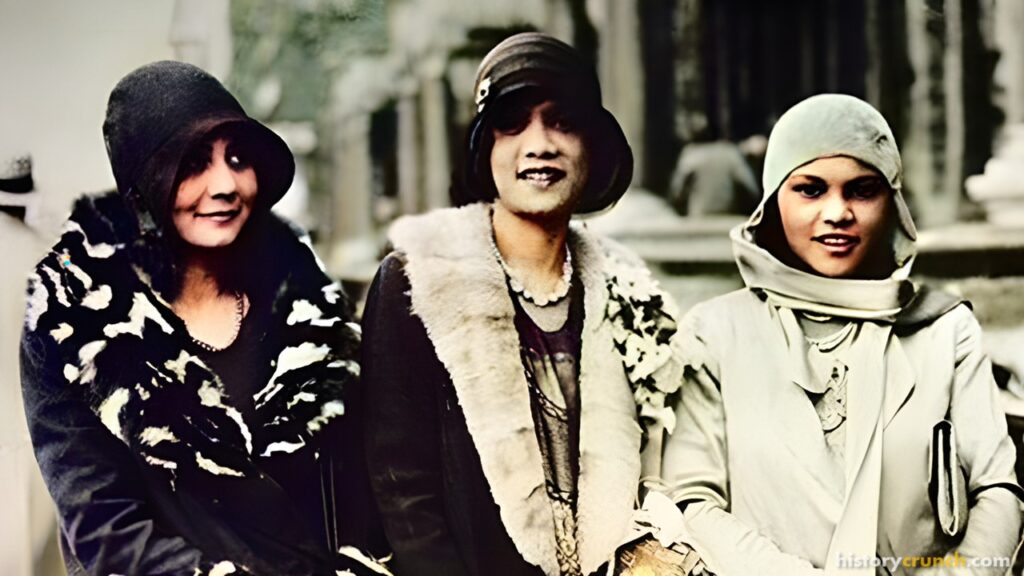
The Harlem Renaissance was an important event in American history. It was a cultural movement that emerged in the 1920s, centered in the Harlem neighborhood of New York City. This period was marked by a flourishing of African American art, music, literature, and intellectualism, which profoundly influenced American culture and society. This article explores the origins, key figures, artistic achievements, and lasting impact of the Harlem Renaissance.
HARLEM RENAISSANCE – ORIGINS
The Harlem Renaissance took place during a time of significant social and economic change in the United States. For instance, the Great Migration occurred during the same timeframe and was important to the Harlem Renaissance. In short, the Great Migration was a mass movement of African Americans from the rural South to urban centers in the North of the United States. Seeking better economic opportunities and escaping racial segregation, many African Americans settled in Harlem, which transformed it into a hub of cultural and intellectual activity.
The end of World War I also contributed to the start of the Harlem Renaissance. The war exposed African American soldiers to broader horizons and heightened their aspirations for equality and cultural expression. Returning veterans brought new ideas and a sense of empowerment, fueling the growing cultural movement that was taking place at the time. As such, historians consider the end of the war as significant to the origins of the Harlem Renaissance.

HARLEM RENAISSANCE – WHAT HAPPENED?
At its core, the Harlem Renaissance was a cultural movement that was characterized by artistic creativity across various mediums, including literature, music, visual arts, and the performing arts.
Writers of the Harlem Renaissance produced an impressive body of work that explored the complexities of black life and culture. Novels, poems, essays, and plays addressed themes of racial pride, social injustice, and the search for identity.
Music was another central component of the Harlem Renaissance, with jazz and blues serving as the main musical genres of the era. Harlem’s vibrant nightlife scene, with iconic venues like the Apollo Theater and the Savoy Ballroom, attracted musicians and audiences from all over.
Also, artists of the Harlem Renaissance created works that celebrated African American culture and heritage. For instance, painters and sculptors such as Aaron Douglas and Augusta Savage produced powerful images that reflected the beauty and strength of black people.
Beyond artistic achievements, the Harlem Renaissance was also a period of significant intellectual activity. African American thinkers, writers, and activists used this time to explore and articulate new ideas about race, identity, and social justice.

HARLEM RENAISSANCE – IMPORTANT PEOPLE
The Harlem Renaissance was marked by the contributions of numerous influential figures across various artistic disciplines. These individuals not only shaped the movement but also left an important legacy on American culture.
LANGSTON HUGHES
Langston Hughes was a significant figure in the Harlem Renaissance, known for his poetry, novels, and plays. His work often explored themes of racial identity, social justice, and the African American experience. For example, Hughes’ poem ‘The Negro Speaks of Rivers’ is a powerful reflection on the strength and resilience of black people throughout history.
ZORA NEALE HURSTON
Zora Neale Hurston was a celebrated writer and anthropologist whose work explored African American folklore and culture. Her novel ‘Their Eyes Were Watching God’ is a classic of American literature, offering a portrayal of black womanhood and the complexities of love and identity.
DUKE ELLINGTON
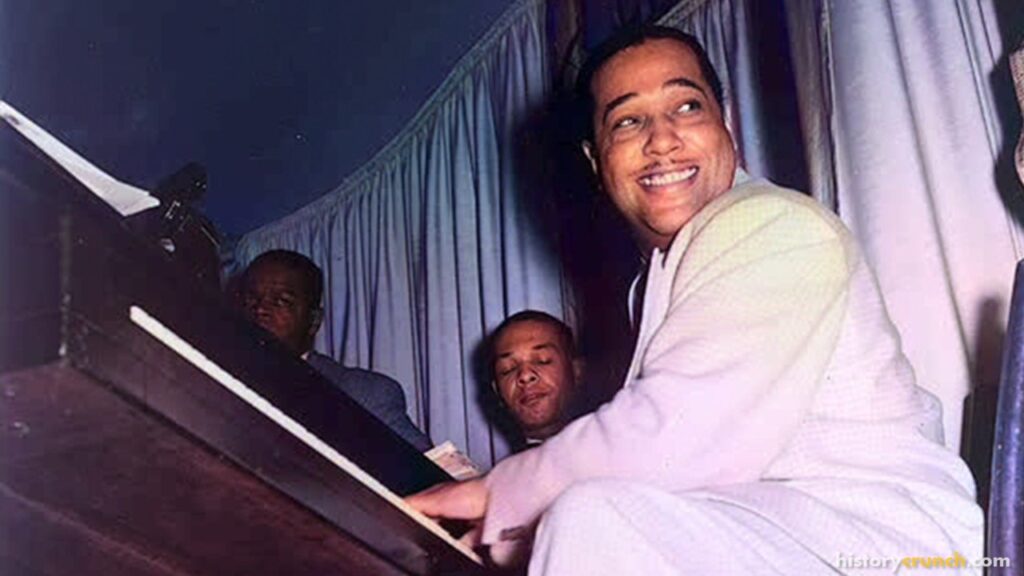
Duke Ellington was a legendary jazz composer, pianist, and bandleader who played a crucial role in the Harlem Renaissance. His innovative compositions and performances at venues like the Cotton Club helped elevate jazz to new heights, making it a defining sound of the era. In fact, today, Jazz music is considered to be synonymous with the timeframe of the Roaring Twenties.
HARLEM RENAISSANCE – LEGACY
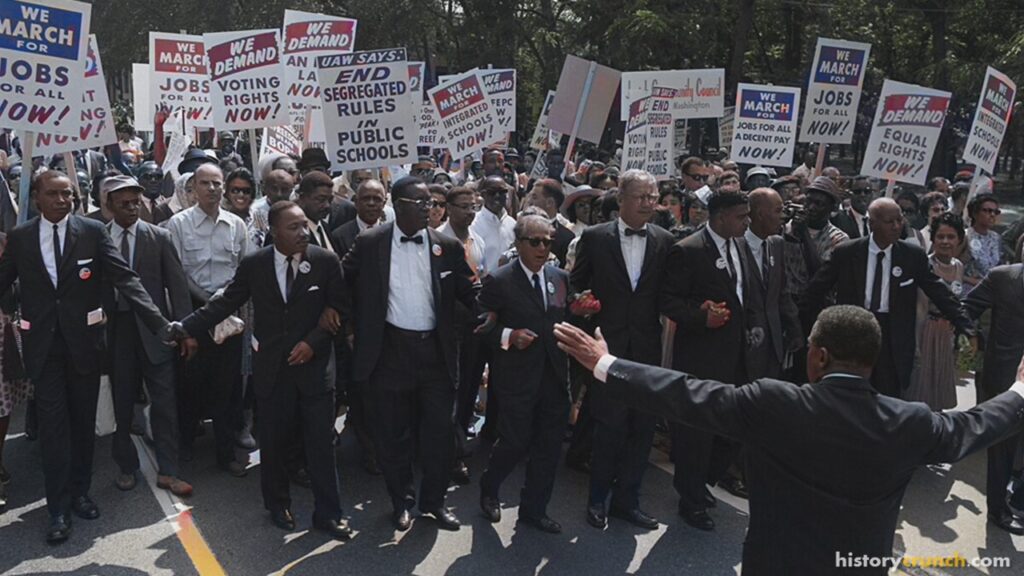
The Harlem Renaissance had a profound and lasting impact on American culture and society. It redefined the image of African Americans in the national consciousness, challenging stereotypes and celebrating black excellence. Furthermore, the movement laid the groundwork for future civil rights activism, inspiring generations to come. For instance, the themes and ideas explored during the Harlem Renaissance would later influence the Civil Rights Movement of the 1950s and 1960s.
Overall, the Harlem Renaissance left a significant legacy that continues to be celebrated today. Its contributions to literature, music, visual arts, and intellectual thought have become integral parts of American heritage.