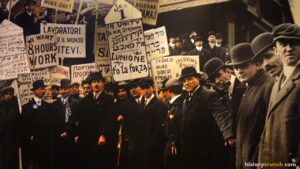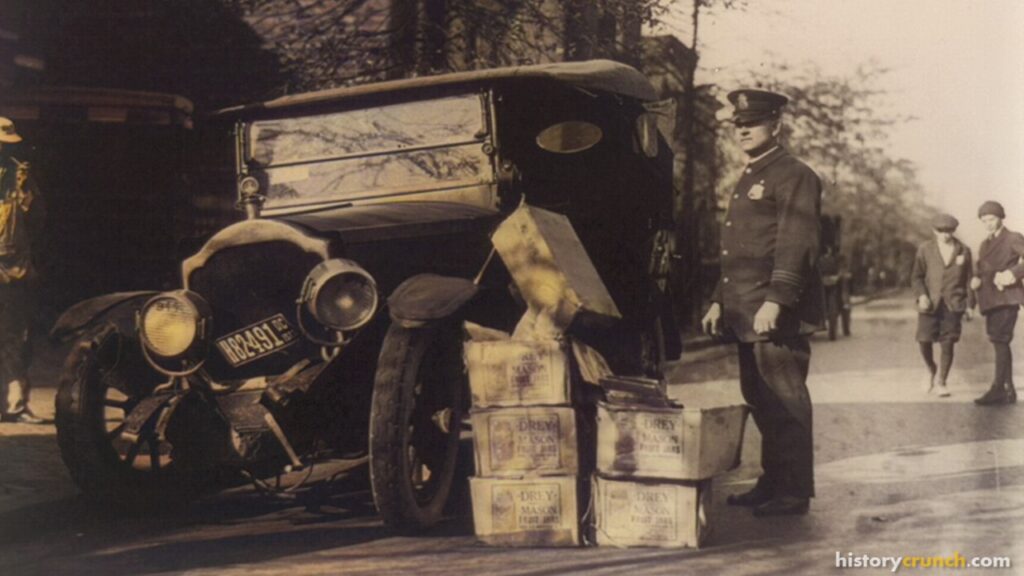
Bootlegging in the Prohibition Era was a significant period of American history. The term ‘bootlegging’ refers to the illegal production, distribution, and sale of alcohol during a time when the United States had outlawed these activities under the 18th Amendment. This period also saw an increase in organized crime, speakeasies, and other illegal alcohol operations. This article explores the history, activities, and impact of bootlegging in the Prohibition Era.
WHAT WAS PROHIBITION?
Prohibition in the United States was a period in the early 20th century when the United States enforced a nationwide ban on the production, importation, transportation, and sale of alcoholic beverages. It was enacted through the 18th Amendment and enforced by the Volstead Act and lasted from 1920 until 1933. Those that agreed with Prohibition argued that alcohol was responsible for many different issues in society, including: crime, family violence, and poverty. Regardless, prohibition in the United States was a controversial time in American history since not all people agreed with its enforcement. As a historical event, Prohibition occurred throughout the timeframe of the Roaring Twenties and the early part of the Great Depression.
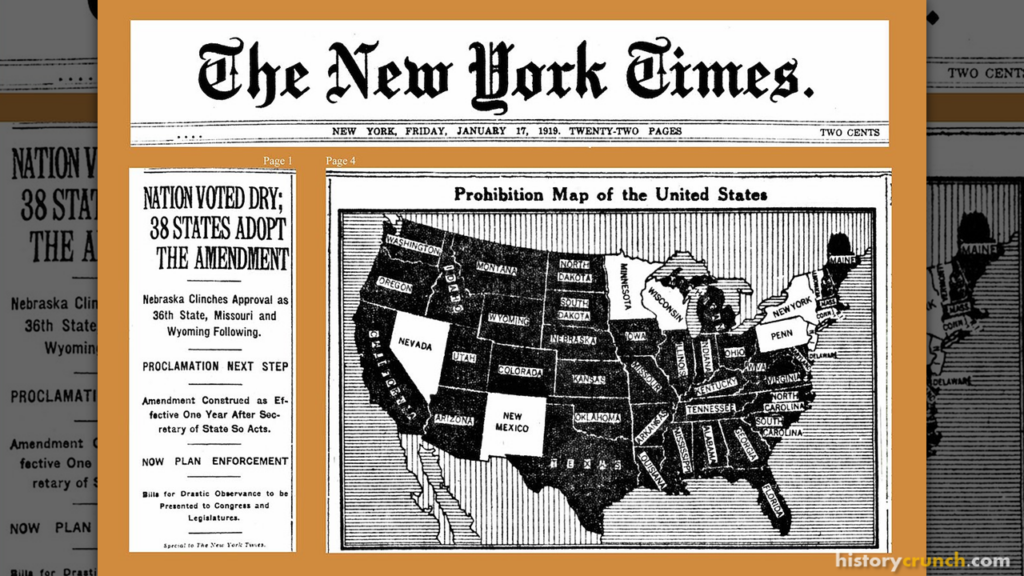
BOOTLEGGING IN THE PROHIBITION ERA – HISTORY
Despite the law banning the consumption and sale of alcohol, the demand for it remained strong among Americans. People still wanted to drink, and this demand created lucrative opportunities for those willing to break the law, especially those in organized crime. As such, bootlegging emerged as the primary means to meet this demand. In general, bootleggers broke the law by producing, distributing and selling alcohol.
First, bootleggers produced alcohol in various ways, including home distillation of spirits (often referred to as moonshine) and the brewing of beer and wine in hidden or secret ways. Also, some bootleggers imported alcohol from other countries, such as Canada and the Caribbean, where production remained legal.
Second, smugglers, also known as ‘rum-runners’, transported alcohol across borders and coastlines. They used fast boats to evade law enforcement and brought liquor into the United States through remote coastal areas and along the Great Lakes.
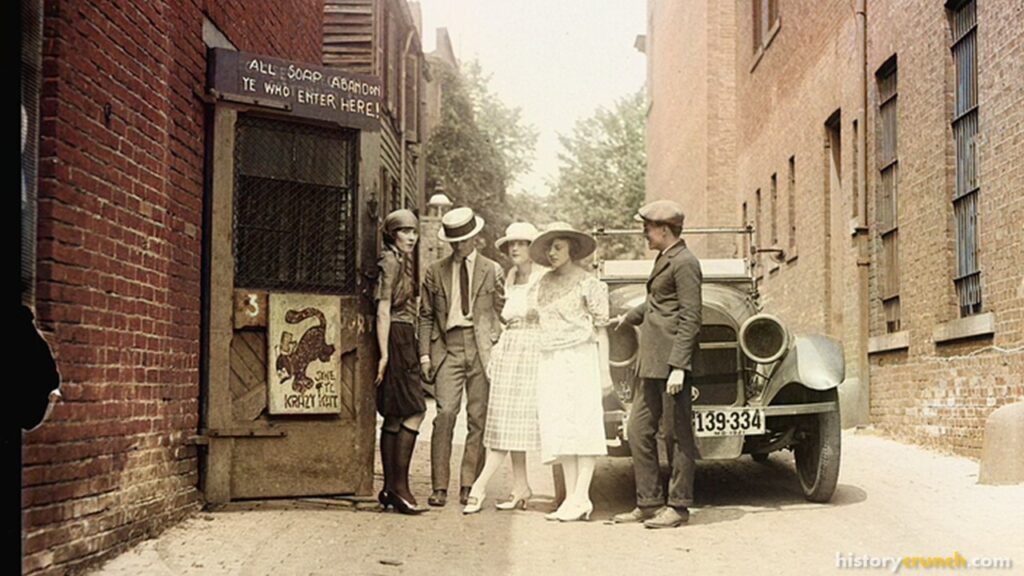
Third, illegal bars known as ‘speakeasies’ emerged in cities and towns across America. These establishments, often hidden behind unmarked doors or in basements, sold bootlegged alcohol to patrons who gained entry through passwords or secret codes. Speakeasies became popular social hubs, attracting people from all walks of life.
BOOTLEGGING IN THE PROHIBITION ERA – IMPACTS
Bootlegging in the Prohibition Era led to several significant impacts. For instance, bootlegging had economic, societal and legal consequences. As such, historians consider the era to be impactful in American history.
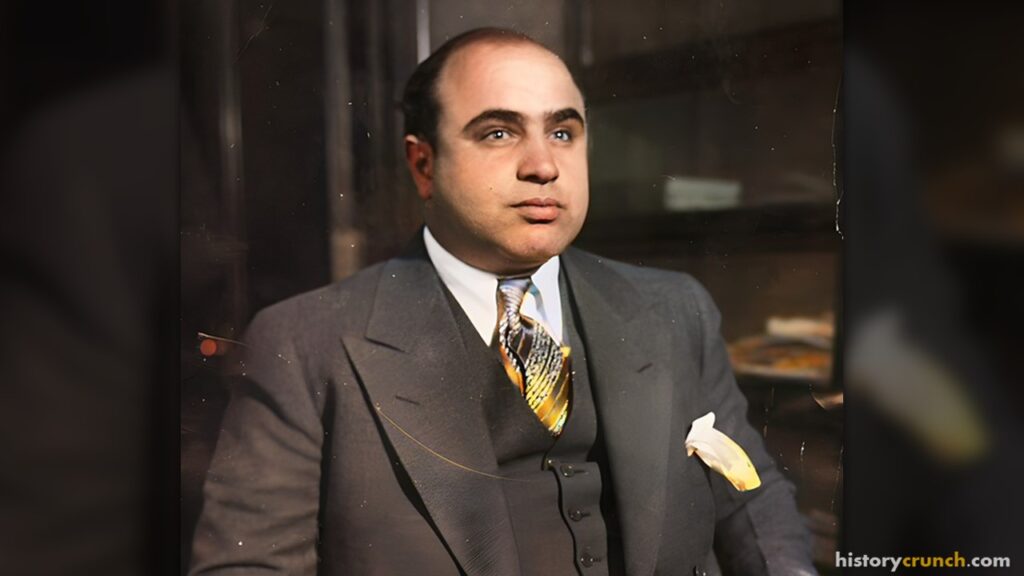
Economically, bootlegging became a multi-million-dollar industry during the Prohibition Era. The profits from illegal alcohol sales funded other criminal enterprises and helped build powerful organized crime syndicates. For instance, figures like Al Capone, who controlled much of Chicago’s bootlegging operations, amassed great wealth and influence through their illegal activities.
Prohibition also led to changes in American social life. While Prohibition advocates hoped to create a more sober society, the opposite often occurred. Drinking became more secretive and speakeasies became centers of jazz music, dancing, and social life.
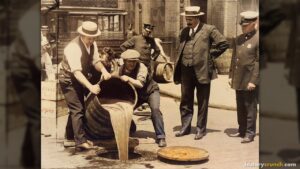
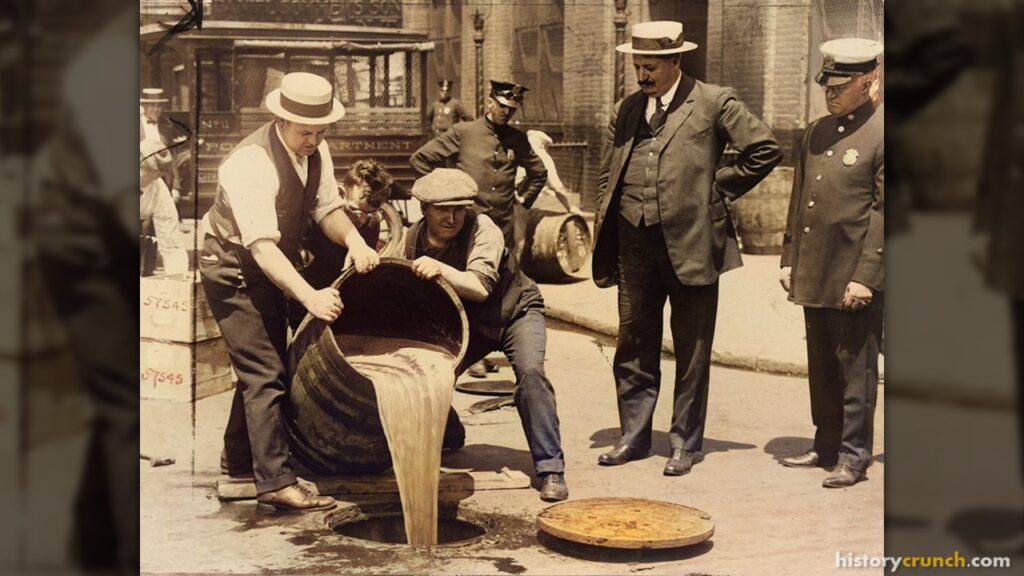
Finally, Prohibition also led to significant challenges for law enforcement. The sheer scale of bootlegging operations made it difficult for authorities to keep up. Many law enforcement officers and politicians were bribed to look the other way, leading to widespread corruption. This corruption undermined public trust in the government and the justice system.
THE END OF THE PROHIBITION ERA
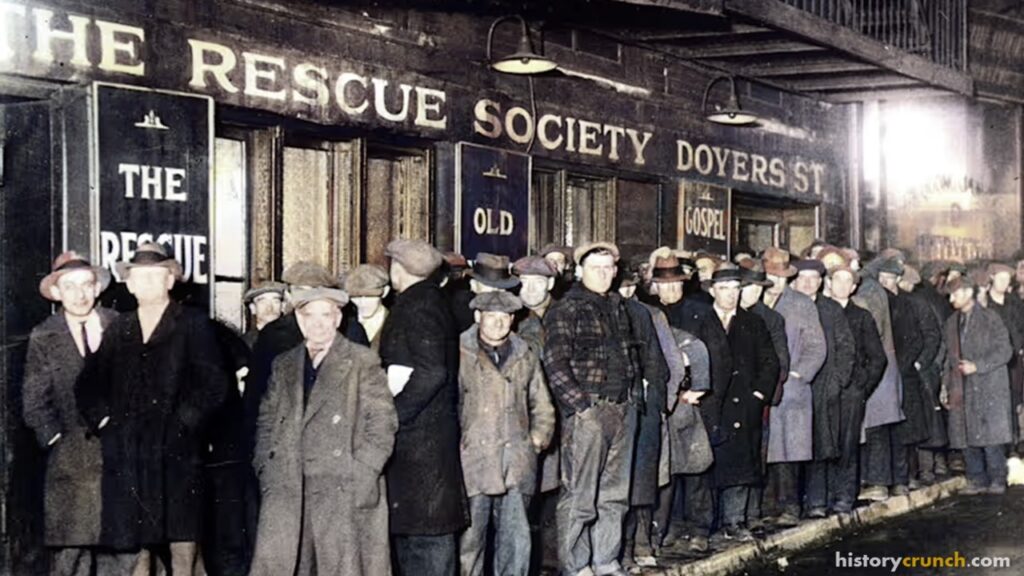
By the early 1930s, it was clear that Prohibition was failing. The law had not stopped drinking and had instead led to a rise in crime and corruption. The economic pressures of the Great Depression further weakened support for Prohibition, as legalizing alcohol promised new jobs and tax revenue. In 1933, the 21st Amendment was ratified, repealing the 18th Amendment and ending Prohibition.