Aztec clothing and dress were important parts of the overall Aztec identity, and were significant aspects of Aztec culture and daily life. From the humble commoners to the elite nobility of Aztec society, each person’s clothing contained cultural, religious, and social significance. The Aztec Empire, known for its highly structured society, used clothing as a visual language that identified a person’s rank, wealth, and even readiness for war.
WHO WERE THE AZTEC?
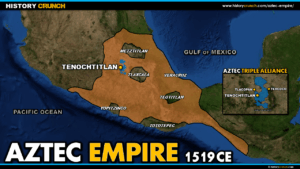
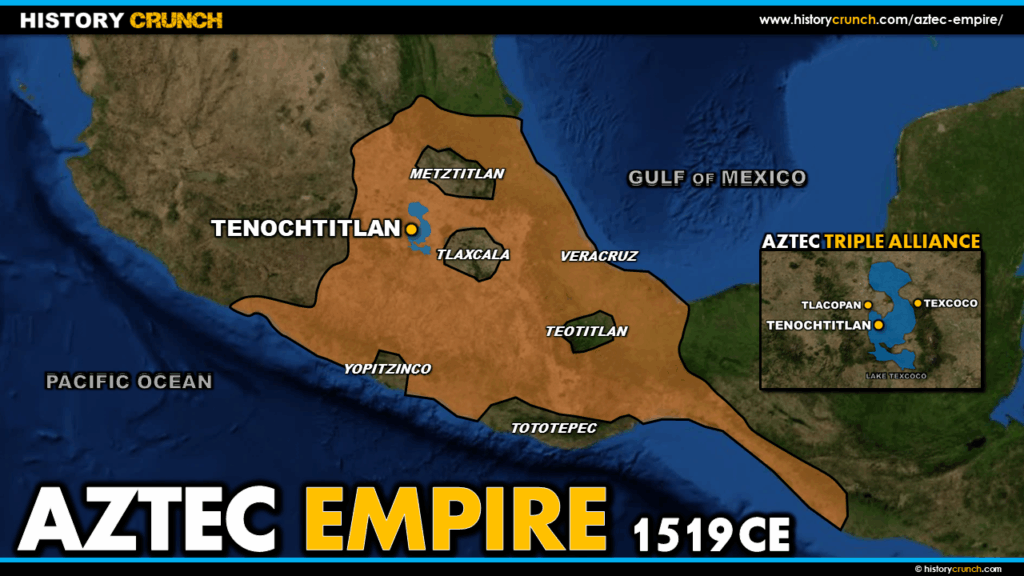
The Aztec Empire was a civilization in central Mexico that thrived in the time before the arrival of European explorers during the Age of Exploration. Throughout its history as a civilization the Aztec Empire expanded across much of central Mexico and other surrounding areas, to become the most dominant and powerful people in the region. Tenochtitlan, the main Aztec city (or altepetl), was the center of this vast empire.
AZTEC CLOTHING AND DRESS
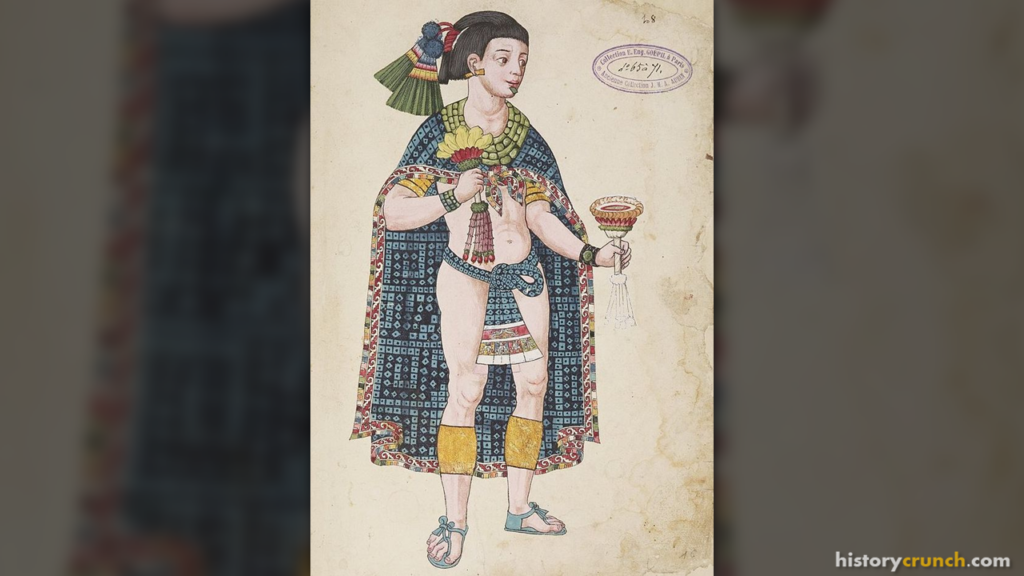
An important part of the Aztec culture was the clothing that the people made and wore. The clothing of the Aztec was similar to other pre-Columbian Mesoamerican groups, since they shared relatively similar histories and cultures. With that said, there are a few key points in relation to the clothing and dress of the Aztec. First, Aztec society was divided between distinct classes, and the different classes wore different types of clothing. For example, the high priests, nobility and royalty would wear very ornate clothing while the lower classes would not. Second, the basic item in Aztec clothing for men was the ‘maxtlatl’, which was a type of loincloth. Men would usually wear the maxtlatl with an outer garment that resembled a cloak called a ‘tilmahtli’. The timahtli were stylized differently to distinguish between the different classes in Aztec society. Third, Aztec women were known to wear a type of blouse called a ‘huīpīlli’ along with a long skirt called ‘cuēitl’. For footwear, the Aztec nobility wore a sandal which they called ‘cactli’. Commoners in Aztec society were not allowed to wear these as they were viewed as a sign of status. As well, all Aztec people were required to be barefoot when they entered a temple or when they were in the presence of the emperor (huey tlatoani).
JEWELRY IN THE AZTEC EMPIRE
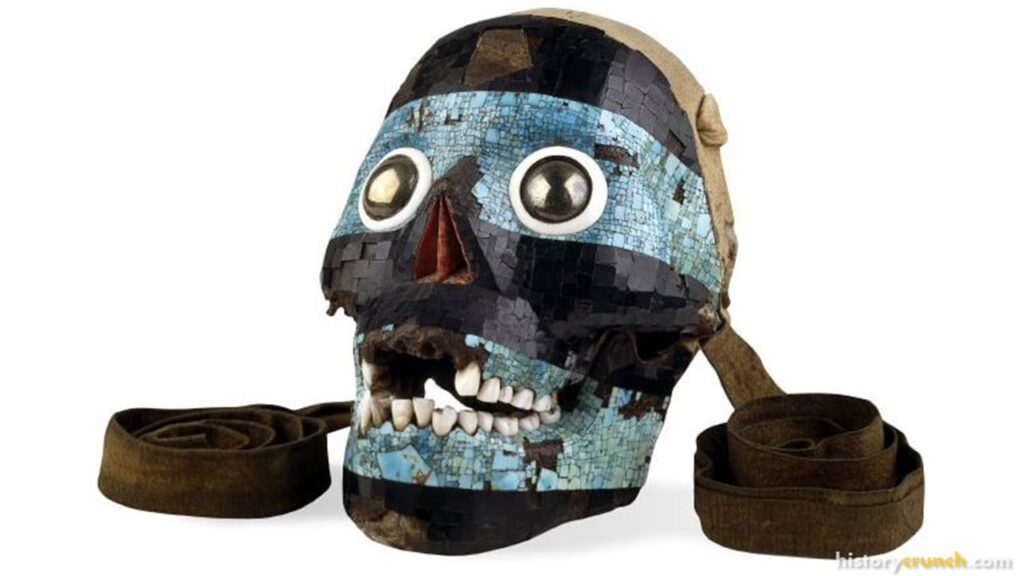
Jewelry and accessories were also popular in Aztec society. For instance, both men and women were known to wear necklaces and bracelets made of gold and different types of stones. In general, jewelry was a status symbol for the Aztec, with the upper classes wearing more and the lower classes wearing less. Also prominent in Aztec jewelry and dress were feathers and shells. In fact, the blue-green feathers from the quetzal bird were highly prized and worn exclusively on the headdresses of the Aztec royalty.
HOW DID WARRIORS DRESS IN THE AZTEC EMPIRE?
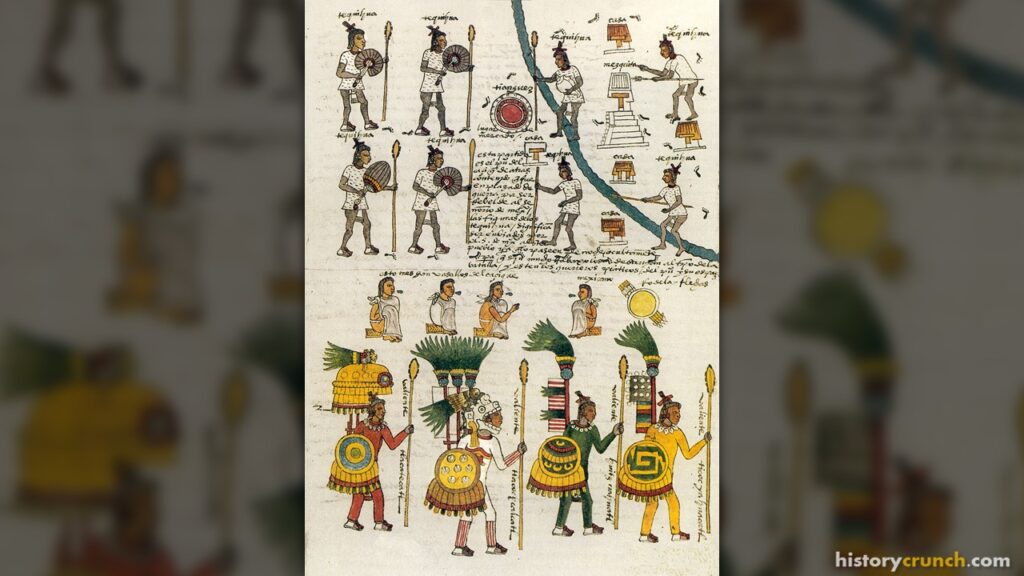
Another important aspect of Aztec dress was the clothing and armor for warriors. More specifically, the maxtlatl (loincloth) was worn by all warriors, along with a form of armor called ‘ichcahuipilli’. The ichcahuipilli was an outfit made of thick layers of cotton that was worn as a jacket and offered the warrior protection from sharp weapons. Additionally, Aztec warriors were often rewarded for their actions in battle with different types of jewelry made out of shells and glass beads. A high ranking warrior or one who was born into the noble class might wear addition protection in an outfit called ‘tlahuiztli’. These outfits were decorated more ornately to distinguish the warrior and offered more protection because they covered the arms, legs and torso. The tlahuiztli were generally made out of cotton and leather.
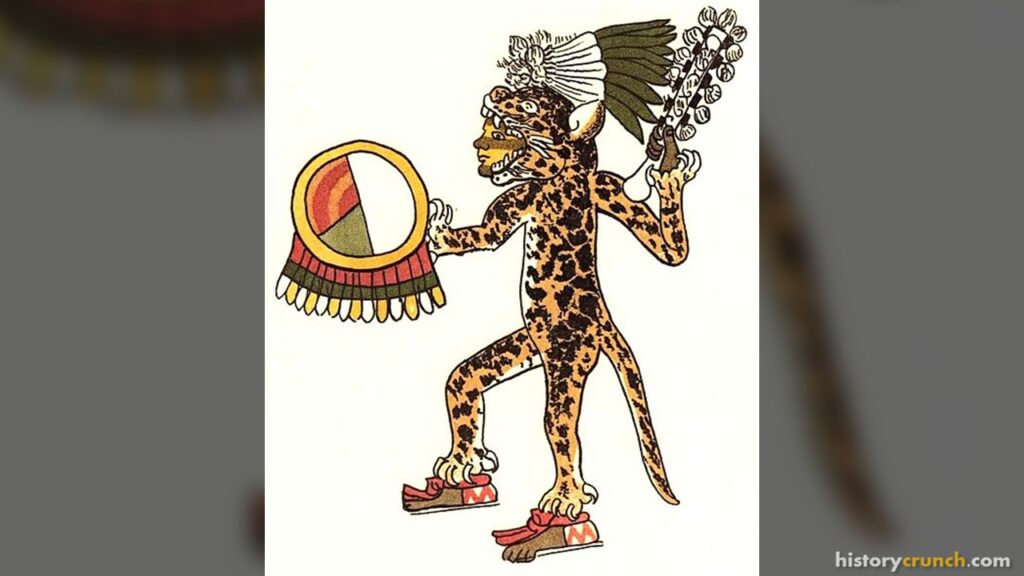
The most prestigious warriors in Aztec culture were the Eagle warriors and the Jaguar warriors. Both the Eagle and Jaguar warriors were referred to as ‘cuāuhocēlōtl’ and were the two most elite types of warriors in the Aztec military. The warriors that earned these designations were regarded as the best for their ability to capture prisoners in battle, which was one of the main objectives of the Aztec military. Both sets of these types of warriors wore very distinctive types of outfits that were separate from the rest of the Aztec warriors. For instance, the Eagle warriors were known to wear helmets and suits decorated with eagle feathers. As well, they would usually have an eagle head on their head, with their face showing out of the open beak. Whereas, the Jaguar warriors wore the hide or skin of a jaguar which usually covered their entire bodies. They had their faces showing out of the open jaguar mouth. Jaguar warriors wore this in belief that they gained the strength of the animal in battle. Both Eagle warriors and Jaguar warriors went into battle with a weapon called a macuahuitl, which was a type of wooden club that had very sharp obsidian blades attached to its edges. Obsidian is a volcanic glass that when cut can produce extremely sharp blades. Both types of warriors also fought using spears, clubs and shields.