The roles of men and women in the Aztec Empire were important to the overall culture and daily life of the Aztec people. For instance, Aztec men were primarily warriors, farmers, and craftsmen, responsible for defending the empire and providing for their families. On the otherhand, Aztec women generally managed the household, cooked, wove textiles, acted as midwives, or merchants. While men dominated political and military life, women played crucial roles in religion, trade, and maintaining social structure.
WHO WERE THE AZTEC?
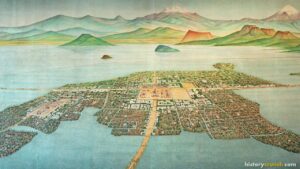
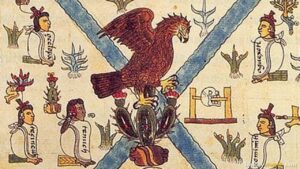
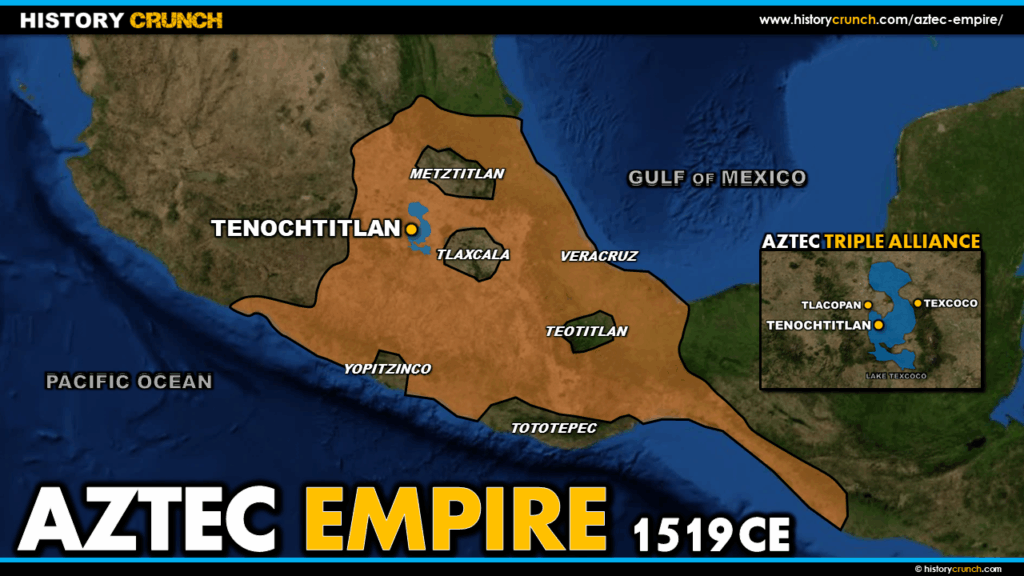
The Aztec Empire was a civilization in central Mexico that thrived in the time before the arrival of European explorers during the Age of Exploration. Throughout its history as a civilization the Aztec Empire expanded across much of central Mexico and other surrounding areas, to become the most dominant and powerful people in the region. Tenochtitlan, the main Aztec city (or altepetl), was the center of this vast empire.
ROLES OF MEN AND WOMEN
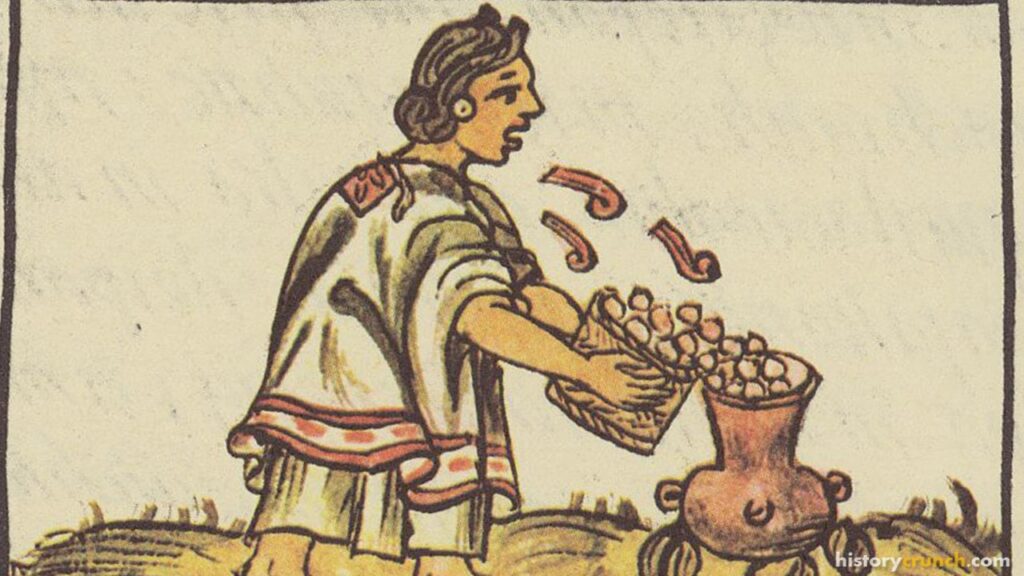
There were several different forms of work in the Aztec Empire. As such, Aztec men and women had very different roles. In general, men were expected to do more laborious work while women were expected to work in the household and care for the family. For example, women were tasked with caring for young children, preparing meals and repairing clothing. Some women worked as artisans or craftspeople and sold their creations in the many different markets that were so important to the Aztec economy.
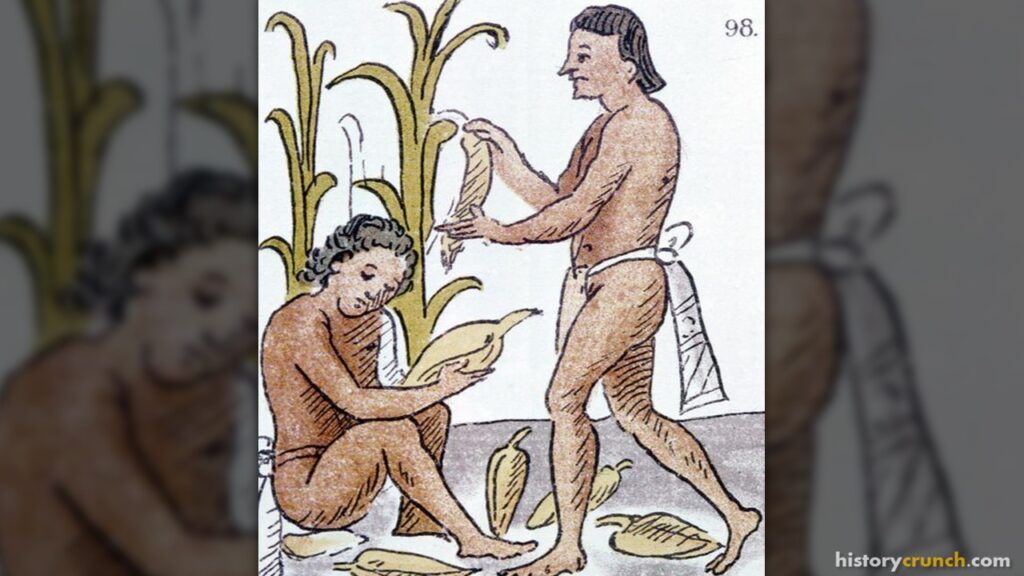
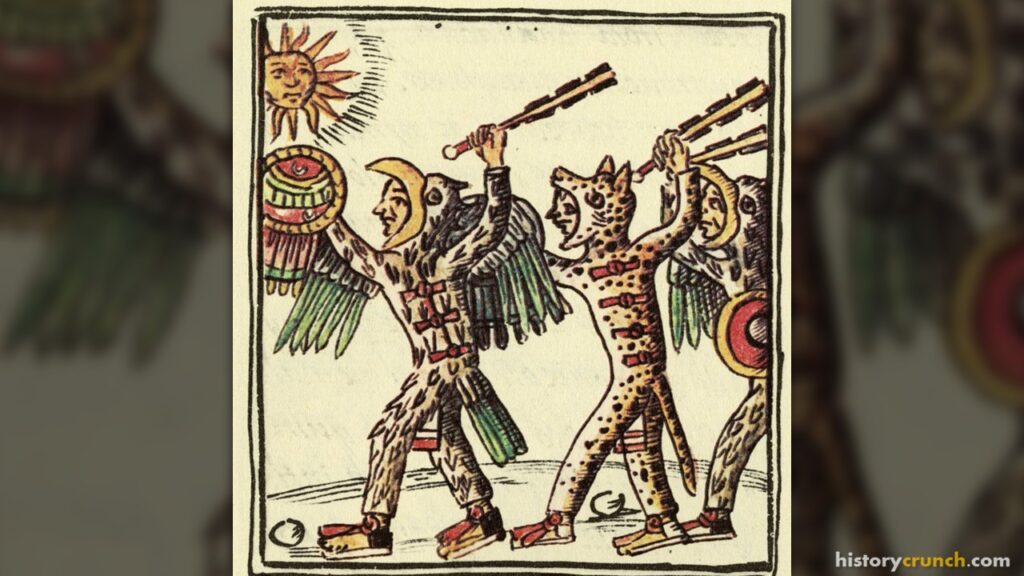
For their part, men worked in several different occupations, including: farmer, artisan, craftsman, merchant, warrior, priest or government official. For instance, commoners or middle class citizens in the Aztec Empire (who were referred to as macehualtin) mostly worked as farmers growing crops such as maize (corn), beans and squash. Some, who were skilled artists and creators, worked as artisans and sold their goods at market. The Aztec referred to skilled artisans as tolteca after the earlier Toltec civilization that the Aztec admired. The commoners were also required to work, at different times, to build and maintain the temples and public buildings in the Aztec city of Tenochtitlan. Some macehualtin worked as merchants in the markets by selling and trading different types of goods. Furthermore, some men worked as long distance traders, which were referred to as pochteca. These men carried goods from vast distance across the Aztec Empire to different markets. As well, all Aztec men were expected to serve time in the Aztec military as a warrior. For instance, the boys trained from a very young age to use different types of Aztec weapons and the rules and conduct of battle. Men of the noble class (pipiltin) were trained from a very young age to serve as high priests or in top government positions. These people oversaw the many Aztec ceremonies and festivals, and carried out the functions of the Aztec government.