Flower Wars in the Aztec Empire: A Detailed Summary

Flower Wars in the Aztec Empire
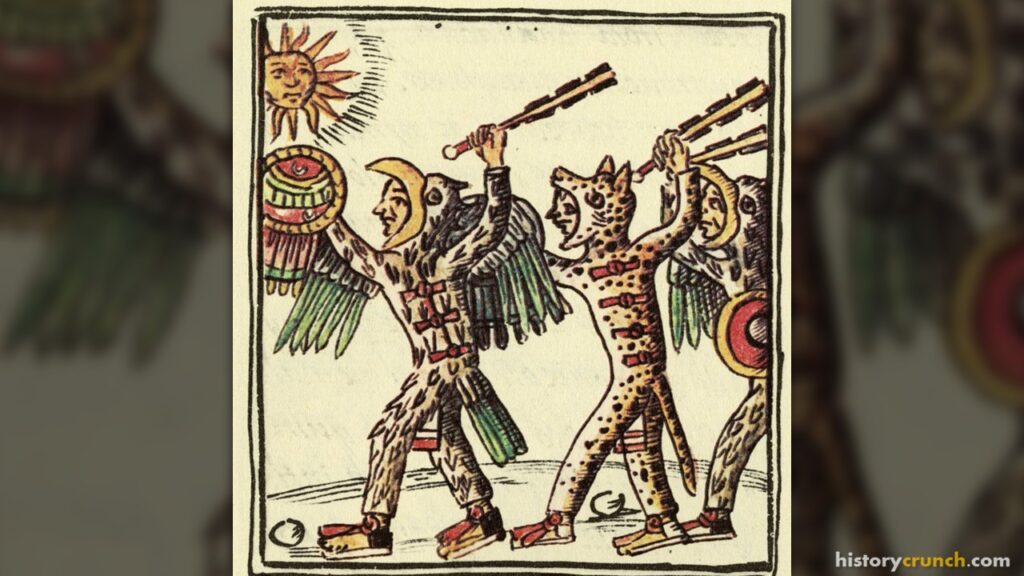
Aztec Warriors from the Florentine Codex.
The Flower Wars in the Aztec Empire were organized and ritualized battles in which members of the Triple Alliance including Aztecs faced off against rival city-states. This article details the history and significance of the Aztec Flower Wars.

Table of Contents

The Flower Wars in the Aztec Empire were ritual battles fought between the Aztecs and other rival city-states, such as Tlaxcala. The Flower Wars were carried out mainly to capture prisoners for human sacrifice rather than to conquer territory. For instance, the Aztec Flower Wars followed agreed-upon rules and were seen as a way to honor the gods and maintain military training among the Aztec warriors.

FLOWER WARS – EARLY AZTEC HISTORY

Following the Aztec’s founding and construction of Tenochtitlan in the Valley of Mexico in 1325, they quickly established their authority across the other societies in the valley.  At the time the Valley of Mexico was populated by many different powerful civilizations, including: Chalco, Tepanec, Tlacopan, Texcoco, Culhuacan, and Chichimec. Several of these civilizations were also on the shores of Lake Texcoco, including the Culhuacan which were on the south shore.

The Aztec controlled many of these different societies by forcing them to provide tributes for payment and ritual sacrifice.  For example, conquered city-states, which are referred to as ‘altepetl’, were allowed to maintain their current rulers and religion so long as they met several requirements, including: support the Aztec Empire and tlatoani of Tenochtitlan, pay tribute to Tenochtitlan, and include the Aztec god Huitzilopochtli in their own religious beliefs and practices.  Any altepetl that did not follow these conditions were often severely punished by the powerful Aztec military which would attack the city and destroy temples and public buildings.  While this allowed the Aztecs to become the most powerful society in all of Mesoamerica, it also caused them to create many enemies from the surrounding city-states that they controlled.  In addition, the Aztec often organized other battles with their rivals called the ‘Flower Wars’.  These battles occurred at different times of the year than the campaigns of conquest that the Aztec used to expand their empire and were much different in their intent.
How Did the Aztec Control Other Mesoamerican City-States
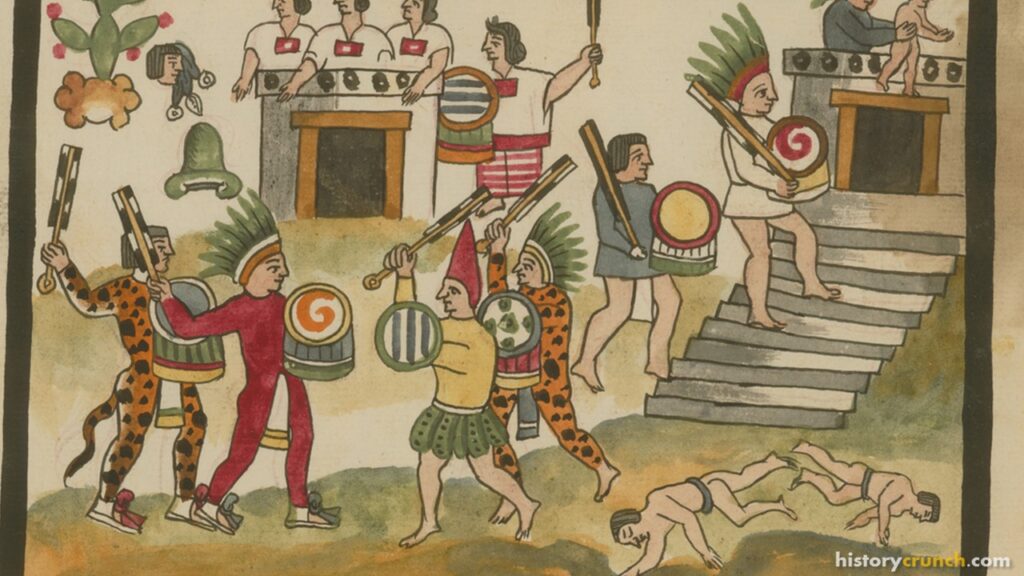
‘The Battle of Azcapotzalco’ from the Codex Tovar.

FLOWER WARS – SUMMARY AND SIGNIFICANCE

The Flower Wars were generally organized and ritualized battles in which members of the Triple Alliance including Aztecs faced off against rival city-states.  The two sides would structure the battle such that each side has an equal number of warriors and used only close-combat weapons.  The purpose of the Flower Wars was for warriors to practice and display their combat skills while also allowing them the ability to take prisoners for the purpose of sacrifice.  A common participant of the Flower Wars was the Tlaxcala, who were a rival city-state to the Aztec.  Historians believe the Flower Wars occurred primarily between 1450 and 1520 when Spanish conquistadors arrived into the region and famously overthrew the city of Tenochtitlan. Regardless, the Aztec Flower Wars were highly significant to the Aztec people and held both religious and political importance.

Aztec Clothing and Dress
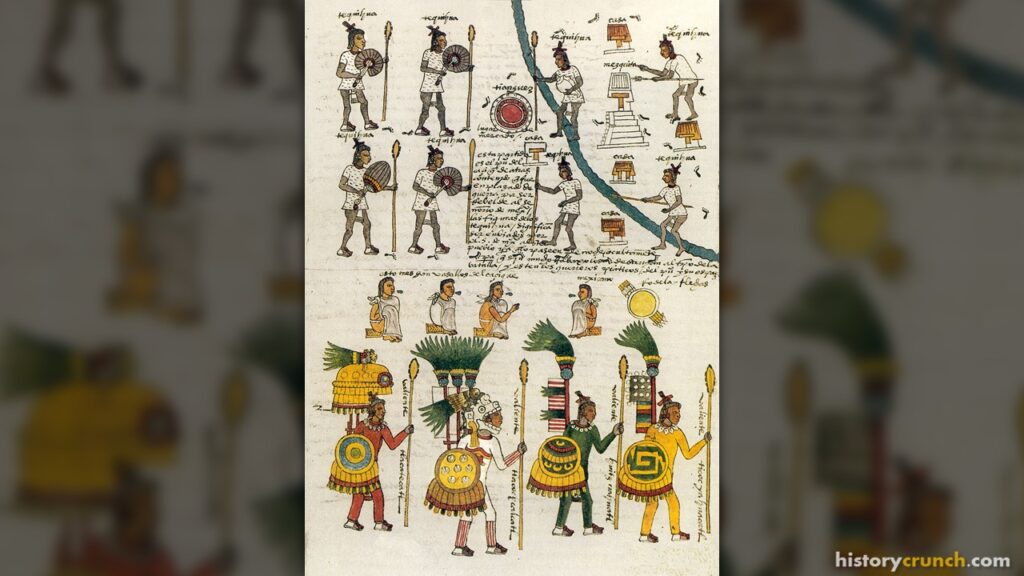
Aztec warriros wearing ichcahuipilli armor and tlahuiztli suits from Mendoza Codex.
Facebook
X
Reddit
Pinterest
LinkedIn

We strive to produce educational content that is accurate, engaging and appropriate for all learners. If you notice any issues with our content, please contact us and let us know!

AUTHOR INFORMATION
Picture of Elias Beck

Elias Beck

I'm a passionate history and geography teacher with over 15 years of experience working with students in the middle and high school years. I have an Education Degree with a focus in World History. I have been writing articles for History Crunch since 2015 and love the challenge of creating historical content for young learners!
Spanish Conquest of the Aztec Infographic
Infographics

Spanish Conquest of the Aztec: Infographic

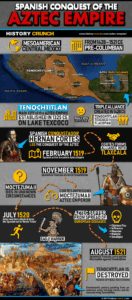
This Spanish Conquest of the Aztec Empire infographic was created by History Crunch to help students and teachers quickly understand the key events and causes behind one of the most significant events in the history of the Americas. It covers Hernan Cortes and the Spanish arrival, the fall of Tenochtitlan and the role of European diseases in the Aztec defeat. Designed for students in grades 5 to 12.

Aztec Religion
Aztec Empire

Aztec Religion: A Detailed Summary

Aztec religion was a deeply important factor in the daily lives of the Aztec people. For instance, Aztec gods were celebrated and honored throughout Aztec culture.

Olmec
Mesoamerica

Olmec: A Detailed Summary

The Olmec were an important early civilization in Mesoamerica and had a profound impact on later civilizations such as the Maya and Aztec.  For example, the Aztec revered the Olmec for their artistic abilities.  As well, later Mesoamerican civilizations adopted different cultural and religious practices from the Olmec.

La Malinche
Aztec Empire

La Malinche: A Detailed Biography

La Malinche, also known as Doña Marina, was an indigenous Nahua woman who served as Hernán Cortés’ interpreter during the Spanish conquest of the Aztec Empire. This article details her life and importance, especially in relation to Mesoamerican history.

Aztec Omens
Aztec Empire

Aztec Omens: A Detailed Summary

Aztec omens were events that occurred in Aztec history, which the Aztec people interpreted to have importance on future events. These omens were important to the overall history and culture of the Aztec Empire.

Aztec Triple Alliance
Aztec Empire

Aztec Triple Alliance: A Detailed Summary

The Aztec Triple Alliance was an important
factor of the Aztec Empire. The Aztecs, Texcoco and Tlacopan joined forces in 1428 to create the Triple Alliance. Over time the three were able to overpower all other societies in the Valley of Mexico.