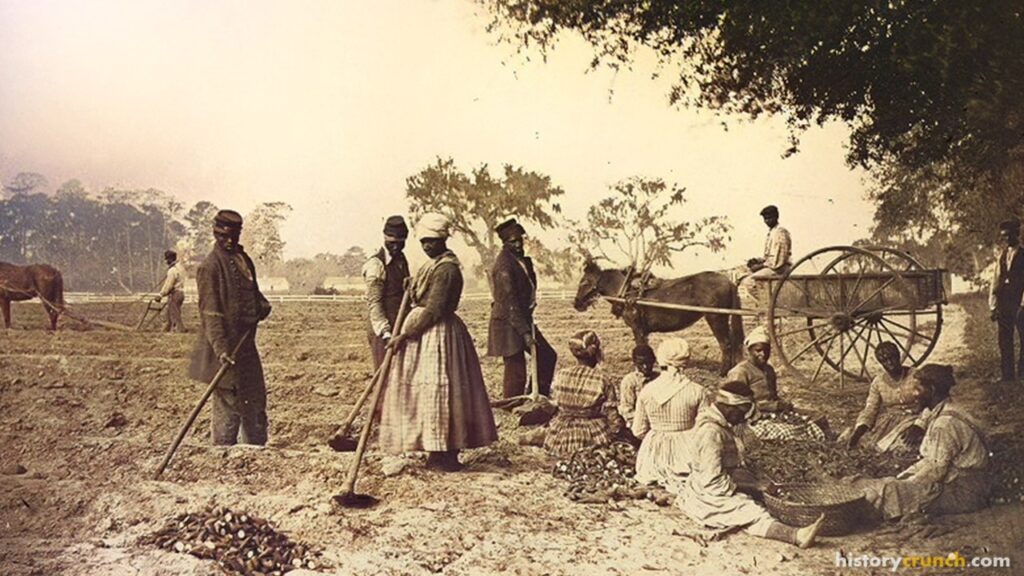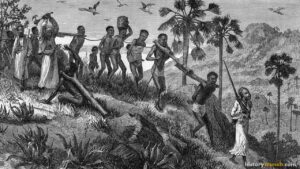
Slave Codes were laws that related to slaves and the practise of slavery, especially in the New World. This includes both North America and South America. As such, slave codes were a significant aspect of the history of slavery in the United States. Millions of African slaves were brought to the New World as part of the Atlantic Slave Trade, which occurred from the 16th century until the 19th century. After arriving, these slaves were sold to slave owners who subjected them to chattel slavery, which means they were the personal property of the slave owners. As well, the societies that the slaves found themselves in, established ‘Slave Codes’ which regulated the lives of the slaves and controlled what they could and could not do.
SLAVE CODES IN COLONIAL AMERICA
As stated above, Slave Codes were laws that set out rules for slaves in the United States. In general, the Slave Codes of the early colonies of the United States were adopted from British Slave Codes that had been used throughout other parts of the British Empire. For example, the first instance of a British Slave Code in the New World was on the Caribbean island of Barbados in 1661. The Slave Codes used on Barbados were copied and used on another island in the Caribbean – Jamaica. The British colony of Jamaica began using Slave Codes in 1664, but they were updated twenty years later in 1684. These Jamaican Slave Codes proved to the be the model that was first used in the United States.
The first area to establish a Slave Code was South Carolina, which adopted earlier British policies in 1712. Other regions of the United States followed South Carolina’s lead. For instance, in 1770 the colony of Georgia adopted similar Slave Codes to South Carolina. As well, Florida followed suit and established equally similar Slave Codes.
EXAMPLES OF SLAVE CODES IN THE UNITED STATES
In general, the Slave Codes of the time limited the actions that a slave could take. For example, one such rule was that slaves were not allowed to leave the slave owner’s property unless joined by a white person. The Slave Codes also had harsh punishments for slaves that tried to escape. This included whippings, brandings and even the death penalty. Slaves were also banned from owning weapons and punished if they were found to have stolen items. In all, the Slave Codes attempted to control the daily life and activities of slaves in the United States.
The most common Slave Codes included rules related to the following:
- Economics: Some Slave Codes restricted the ability of slaves to buy or sell goods.
- Education: Slaves were often not allowed to learn to read. This was especially true after Nat Turner’s Slave Rebellion.
- Mobility: Slaves were generally restricted from leaving the slave owners plantation or property. In fact, slaves were often required to have passes that allowed them to leave their owners property or to be accompanied by a white person.
- Marriage/Relationships: Black slaves were not allowed to have relationships with anyone of another race. As well, marriage between slaves was often not legally recognized.
- Punishments: Slaves often faced severe punishments for actions that were considered wrong. This included many different forms of abuse, such as: whippings and beatings. As well, slave owners generally faced little or no punishment for killing their slaves.
In all, Slave Codes played a significant role in the history of the United States and its practise of slavery. The Slave Codes of the United States officially ended in 1865 with the passage of the Thirteenth Amendment of the United States Constitution. This amendment, which was part of the ‘Reconstruction Amendments’, following the end of the American Civil War, officially ended slavery in the United States. As such, the Slave Codes were no longer legal. Instead, many states instituted ‘Black Codes’, which were aimed at controlling the daily lives of former slaves.