Black Codes in the United States were a set of laws that controlled the lives of African Americans from the time of the 19th century. Due to this timeframe, the Black Codes related to the issue of slavery in the United States and were in place widely before and after the events of the American Civil War. With that said, Black Codes became more prominent following the end of slavery and were used as a way of controlling the behavior of free African Americans, during the Reconstruction Era. The Black Codes were not generally for slaves as they were controlled by their slavery, and the related Slave Codes.
SLAVERY IN THE UNITED STATES
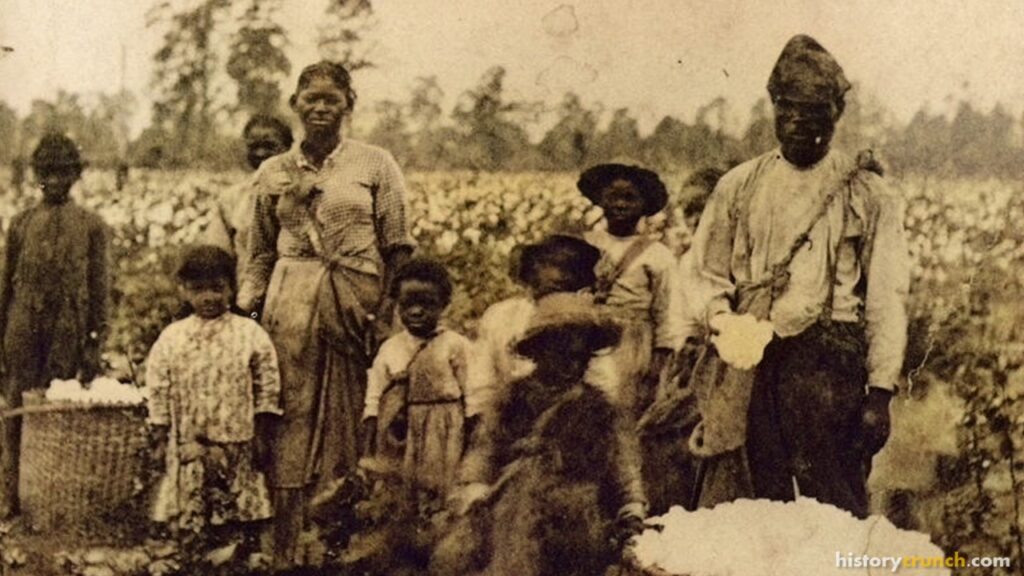
Slavery in the United States existed from the period of Colonial America in the early 17th century until the events of the American Civil War, which lasted from 1861 until 1865. Throughout this timeframe, many slaves were brought from Africa to the territory of the United States via the Atlantic Slave Trade. Many of these slaves ended up working on plantations and households across the United States and played a significant role in the production of certain goods. However, slavery in the United States came into question in the 19th century due to the growth of the American Abolitionist Movement. The American Abolitionist Movement is the name for the advancements made in the United States towards ending the practise of slavery. For instance, the term ‘abolition’ means to stop or end something. As such, an abolitionist is someone who was working to ban slavery. Throughout the 19th century, slavery was ended in different parts of the United States. As such, this led to regions implementing their own ‘Black Codes’ as a way of still controlling different aspects of African Americans and their role in the larger society. For instance, the Northern states and Southern states differed on the use and type of Black Codes that were used.
BLACK CODES BEFORE THE CIVIL WAR
Black Codes were common throughout both the Northern and Southern states in the decades before the start of the American Civil War. For example, in the Northern states, black people were generally not allowed to vote and faced segregation in some public spaces. This means that there were sometimes different facilities for white people and black people in public spaces, such as washrooms. It should be noted that different states had different Black Codes, which meant that black people faced very different conditions across the country. Regardless, it was common for states to ban marriage between white people and black people. As well, some Northern states, including Indiana and Illinois, had rules against black people from out-of-state moving into or staying in their state for an extended period of time. In general though, the Southern states had more harsh Black Codes.
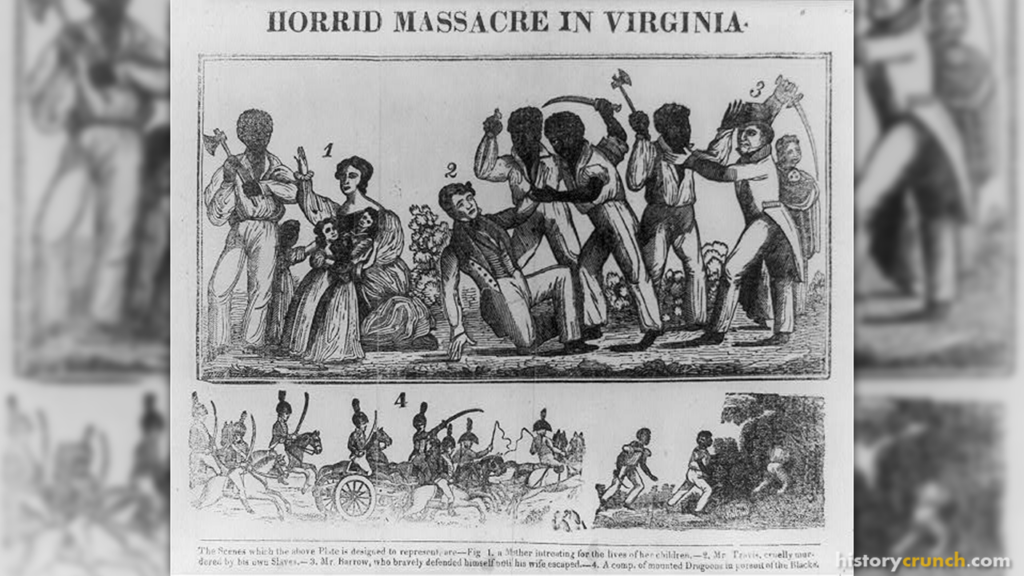
In the Southern states, the history of Black Codes was well established and centered on the history of slavery. Similar to the Northern states, the Southern ‘slave’ states passed laws against black and white people marrying each other. As stated above, the Southern states’ Black Codes were fairly harsh. This was due to the history of slavery in the South, but also as a result of the events of Nat Turner’s Slave Rebellion in 1831. Nat Turner’s Slave Rebellion refers to a slave revolt that occurred in 1831 in Virginia. Nat Turner was an African American slave that led the rebellion, which lasted for four days and led to the deaths of dozens of people. The rebellion while not sparking a larger revolt among slaves, created a deep sense of fear in white people throughout regions of the United States. As such, many of the Black Codes of the Southern states were based around controlling the behavior of blacks, while limiting their ability to advance. For instance, free blacks in the South were not allowed to own or use guns and were forbidden from learning how to read or write. They were also denied basic rights such as the ability to assemble into groups and freedom of speech.
BLACK CODES AFTER THE CIVIL WAR
The American Civil War and the events surrounding it were incredibly significant to the lives of African Americans. It occurred from 1861 until 1865 and saw the Northern states (Union) engage in a series of bloody battles with the Southern states (Confederacy). Ultimately, the Union won the Civil War and slavery as a practise came to an end in the United States. This resulted in millions of former slaves gaining their freedom and impacted the role of Black Codes in the United States. For example, although African Americans had gained their freedom, they still experienced racism. In fact, many states sought to control the lives of the former slaves. This was especially true in the Southern states, who had just suffered defeat in the Civil War.
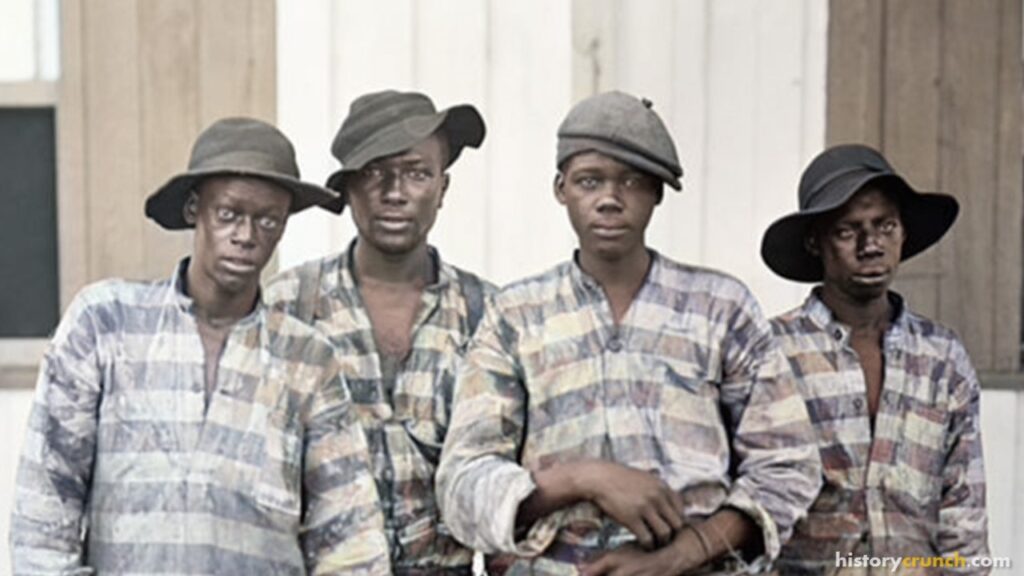
First, a common Black Code after the end of the Civil War was related to vagrancy. In short, vagrancy is a term used to relate to a state of poverty or homelessness. This was more common among former slaves since they struggled with employment and other economic opportunities. States responded by passing vagrancy laws, which made it illegal to be unemployed or homeless. This led to many former slaves being arrested and placed either in prison or in prison work camps where they essentially worked for no pay as prisoners. Vagrancy laws were especially common throughout the Southern states, as many of them adopted the laws in the years immediately after the end of the Civil War.
Besides vagrancy laws, other earlier examples of Black Codes also remained in effect. For example, gun ownership was banned for blacks in some states. As well, there were laws against white people and black people marrying or carrying on an intimate relationship. Furthermore, some states restricted the ability of blacks to own property or buy and sell certain goods. This obviously created economic hardship for black people and displays that Black Codes were often used to control the lives of former slaves.
Many in the Northern states were angered by the use of Black Codes in the Southern states as they viewed it as the Southern states trying to carry on certain elements of slavery. As a result, in the years after the end of the Civil War, the government passed several new amendments which are usually referred to as the ‘Reconstruction Amendments’. These include the Thirteenth, Fourteenth and Fifteenth Amendments of the United States Constitution. The Thirteenth Amendment of the United States Constitution formally abolished slavery in the United States. Next, the Fourteenth Amendment dealt with citizenship rights and equal protection under the law for former slaves. Finally, the Fifteenth Amendment protected the right to vote for people especially in relation to former slaves. The government used the Reconstruction Amendments as a means of protecting former slaves.
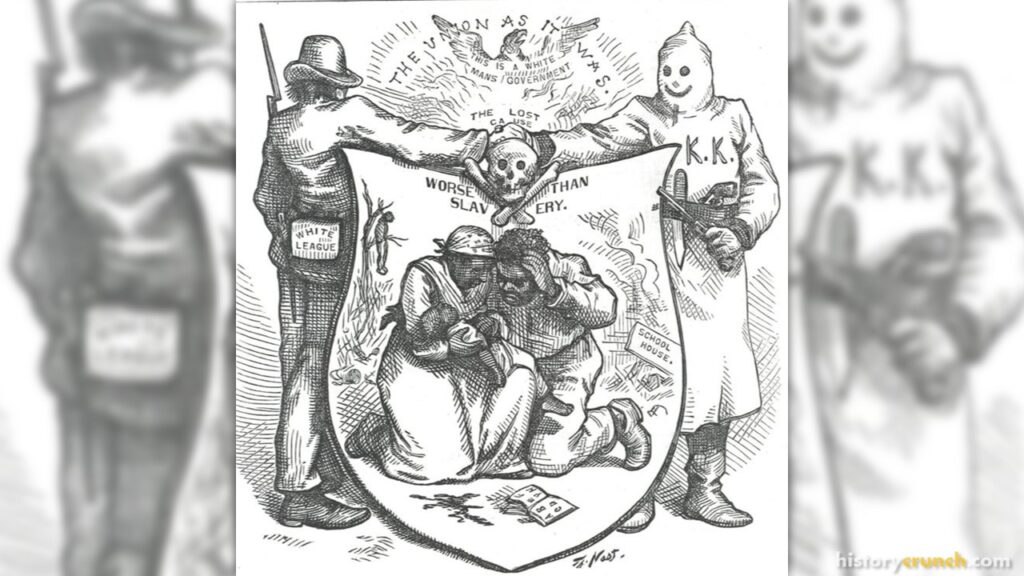
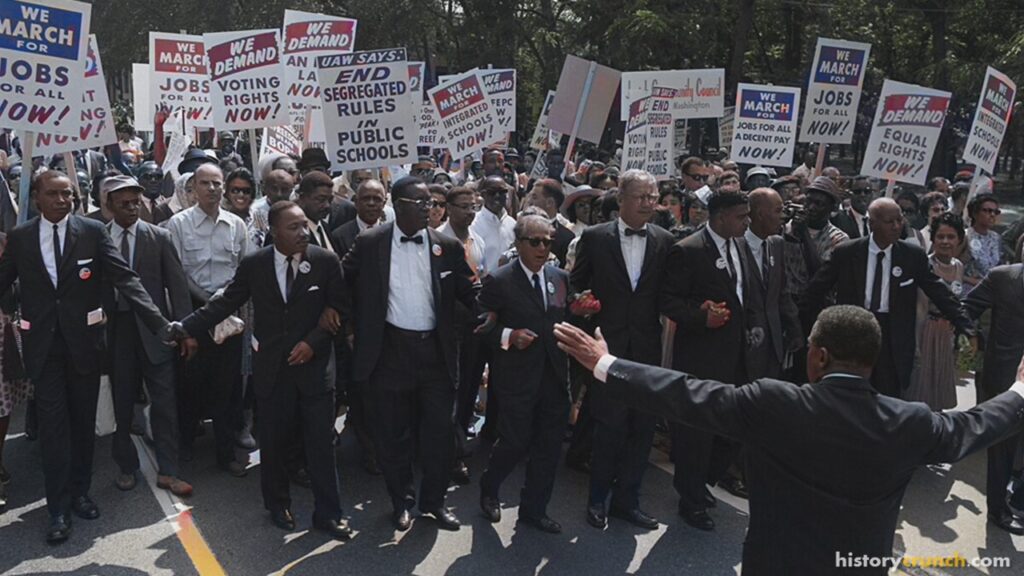
Despite the passage of the Reconstruction Amendments, the lives for black people in the United States remained difficult. For instance, throughout the 19th century and 20th century, African Americans were subject to racism and racial violence. This violence was exemplified by the actions of organizations such as the Ku Klux Klan, which is a white supremacist hate group that often targeted African Americans. As well, as time passed, the Black Codes were eventually transformed into the Jim Crow Laws. This occurred following the end of the Reconstruction Era. The Jim Crow Laws embraced segregation between white people and black people. Jim Crow Laws remained an important part of American life until the mid-20th century and the events of the Civil Rights Movement.