Race to the Sea in World War I: A Detailed Summary

Facebook
X
Reddit
Pinterest
LinkedIn
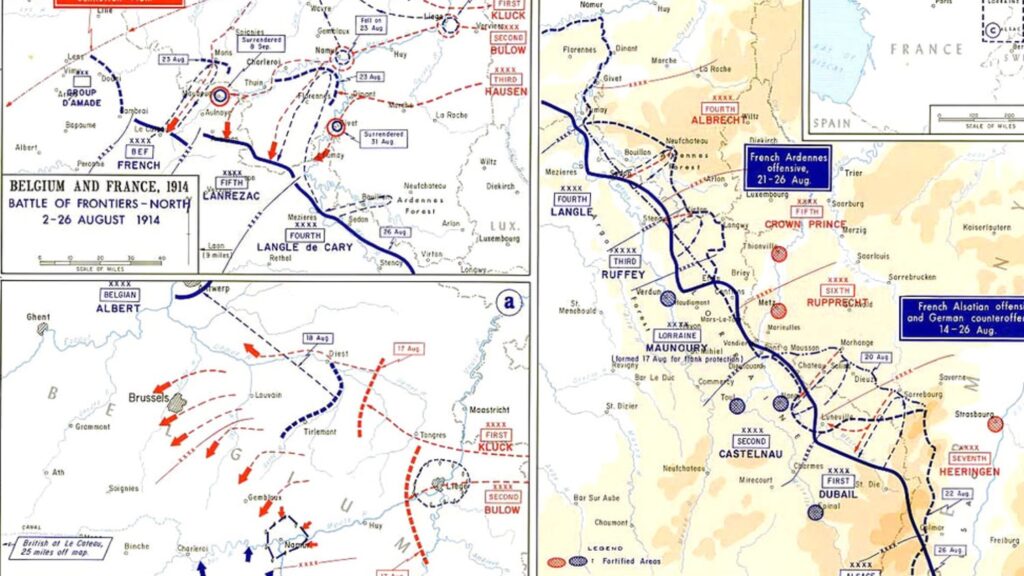
Race to the Sea in World War I Map
Race to the Sea in World War I Map.

TABLE OF CONTENTS

The 'Race to the Sea' in World War I refers to the early days of the First World War when German forces pushed into Belgium and northern France. It is an important early event of the war and set the stage for trench warfare on the Western Front.

The ‘Race to the Sea’ was one of the major events in the early period of World War I and occurred throughout September and October of 1914.  World War I began in the summer of 1914, and saw major conflicts between the German Army and the Allied Powers of Britain and France along the Western Front. The Western Front was the name given to the line of fighting that occurred in Belgium and along the northeastern regions of France throughout the war.​

WHAT LED TO THE ‘RACE TO THE SEA’ IN WORLD WAR I?

When World War I began, Germany attempted to carry out its plan of attack, which was referred to as the Schlieffen Plan.  In short, the Schlieffen Plan was Germany’s response to being surrounded by the Allied Powers.  For example, on its western border, Germany had to contend with France and Britain, while on the eastern border they had to face the Russian Army.  In response, Germany developed the Schlieffen Plan, which aimed at advancing quickly through Belgium and attacking France.  The goal of the Schlieffen Plan was to capture Paris, the French capital, and knock France out of the war, thus eliminating a two-front war.
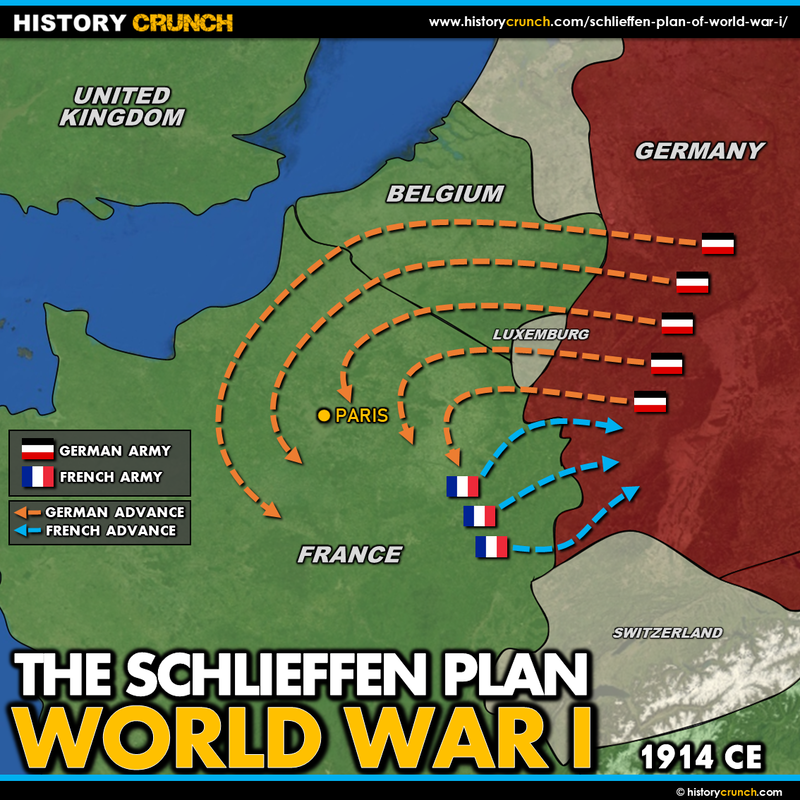
Schlieffen Plan Map
Schlieffen Plan – Map (Created by historycrunch.com)

While the Schlieffen Plan was initially successful with the German victory in the Battle of the Frontiers, it was ultimately stopped in the First Battle of the Marne, occurred from September 6th to the 12th in 1914. Following the German loss at the First Battle of the Marne, the British and French forces counterattacked the Germans in the First Battle of the Aisne, which took place from September 13th to the 28th.  This attack saw the Allied forces advance against the retreating Germans.​

First Battle of the Marne WW1
German soldiers at the First Battle of the Marne in 1914. (Colorized by historycrunch.com)

WHAT HAPPENED IN THE ‘RACE TO THE SEA’ IN WORLD WAR I?

The Race to the Sea immediately followed the events of the First Battle of the Marne and the First Battle of the Aisne.  Essentially Germany had been stopped from capturing Paris, and both the Germans and the Allied nations of France and Britain ‘raced’ north as they tried to gain a flank on each other.  British and French forces countered the German push north throughout September and October until the two sides reached the North Sea in Belgium on October 19th.

The Race to the Sea involved several smaller conflicts between the German Army and the Allied forces, but neither side gained a decisive advantage.  What resulted was a line of trenches that extended throughout much of Belgium and northern France.  It was along this line of trenches that some of the most significant battles of World War I took place.  Furthermore, this became known as the Western Front.  The fighting of World War I on the Western Front was characterized by trench warfare and continuous stalemate.​

World War I Map
Map of World War I in Europe. (Created by historycrunch.com)

WHAT WAS THE SIGNIFICANCE OF THE ‘RACE TO THE SEA’ IN WORLD WAR I?

In the end, the Race to the Sea was a significant event in the early stages of World War I because it helped set the stage for the rest of the war.  As stated above, the Race to the Sea was the result of the German failure to capture Paris as part of the Schlieffen Plan.  As well, it led to the stalemate on the Western Front, which resulted in years of trench warfare and bloody conflict.
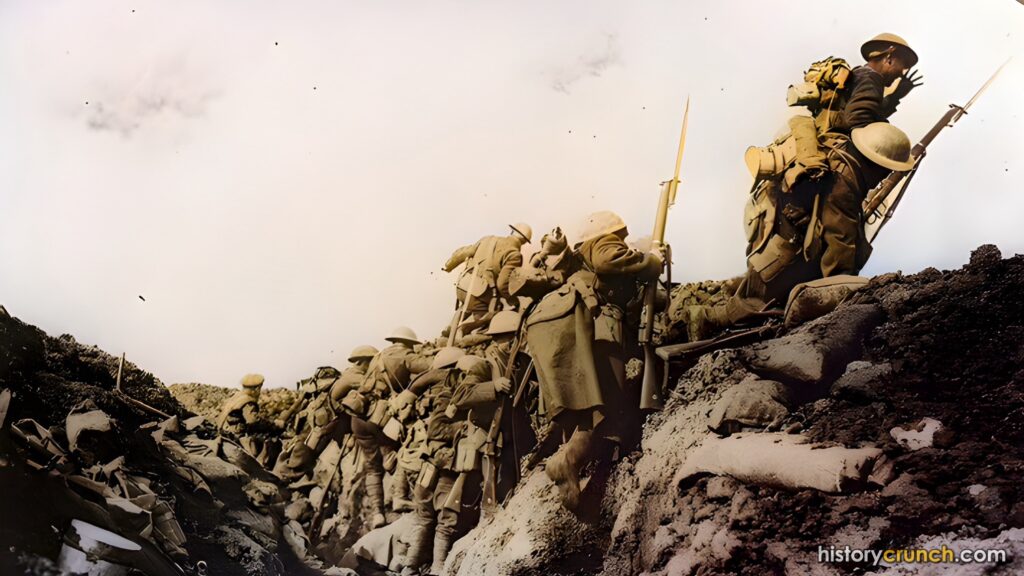

Canada in World War I Trenches
Canadian soldiers charge at the Battle of the Somme. (Colorized by historycrunch.com)

We strive to produce educational content that is accurate, engaging and appropriate for all learners. If you notice any issues with our content, please contact us and let us know!

AUTHOR INFORMATION
Picture of Elias Beck

Elias Beck

I'm a passionate history and geography teacher with over 15 years of experience working with students in the middle and high school years. I have an Education Degree with a focus in World History. I have been writing articles for History Crunch since 2015 and love the challenge of creating historical content for young learners!
Marie Antoinette
French Revolution

Marie Antoinette: A Detailed Biography

Marie Antoinette was the Queen of France during the events of the French Revolution. In fact, she was executed as part of the revolution. This article details the life and significance of Marie Antoinette.

Teotihuacan
Mesoamerica

Teotihuacan: A Detailed Summary

Teotihuacan was a significant Mesoamerican city that influenced the cultural, economic, and political landscapes of ancient Central America.

Tezcatlipoca
Aztec Empire

Tezcatlipoca (Aztec God): A Detailed Summary

Tezcatlipoca was one of the most important Aztec gods. His name is translated as ‘smoking mirror’ in the Nahuatl language of the Aztec and he is often associated with several different concepts, including: the night sky, night winds, hurricanes, the north, jaguars, obsidian, and war.

Slave Plantations in the United States
Slavery in the United States

Slave Plantations in the United States: A Detailed Summary

Slave plantations in the United States were large agricultural estates, primarily in the South, where enslaved people were forced to work long hours growing crops like cotton, tobacco, and sugar. This article details the history and significance of slave plantations in the United States.

Aztec Warriors
Aztec Empire

Aztec Warriors: A Detailed Summary

Aztec warriors were central to the overall power of the Aztec Empire. They trained to fight and capture enemies for tribute and sacrifice. Elite warriors like the Jaguar and Eagle warriors were the most honored and respected of the Aztec warriors.

Aztec Economy
Aztec Empire

Aztec Economy: A Detailed Summary

The Aztec economy was an important aspect of the overall Aztec Empire. In general, it was driven primarily by agriculture, trade and tribute from other Mesoamerican societies. The strength of the Aztec economy was a contributing factor to the power and influence of the Aztec Empire.