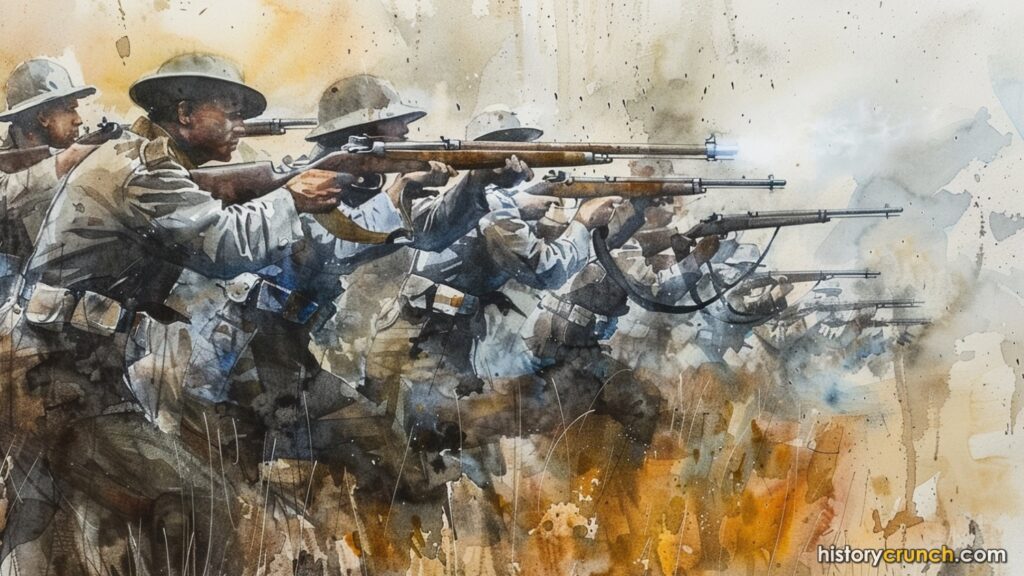
Rifles in World War I were arguably the most important weapon of the war. In particular, all of the major nations of World War I sent their soldiers to the frontlines of the war equipped with different styles of rifles. World War I was a deadly conflict as shown by the millions of military and civil casualties it caused. The large number of casualties was the result, in part, of the development and use of weaponry that took place during the war. In all, the rifle was one of the most significant weapons of World War I alongside other important weapons, such as: airplanes, airships, machine guns, poison gas, submarines and tanks.
SIGNIFICANCE OF RIFLES IN WORLD WAR I
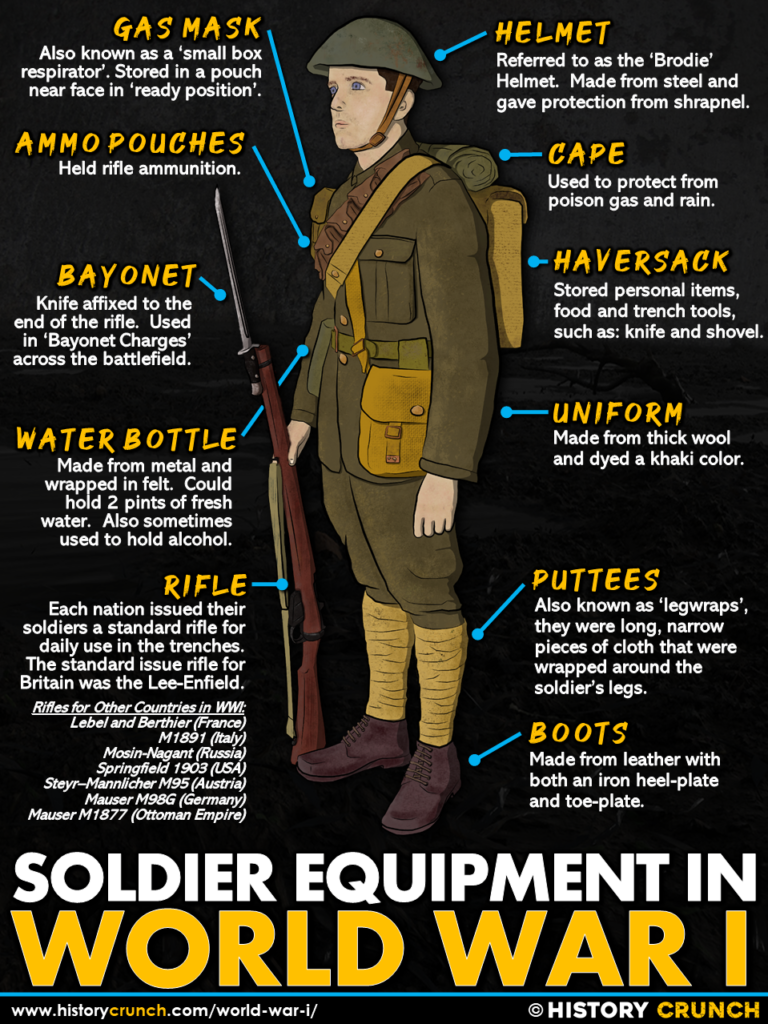
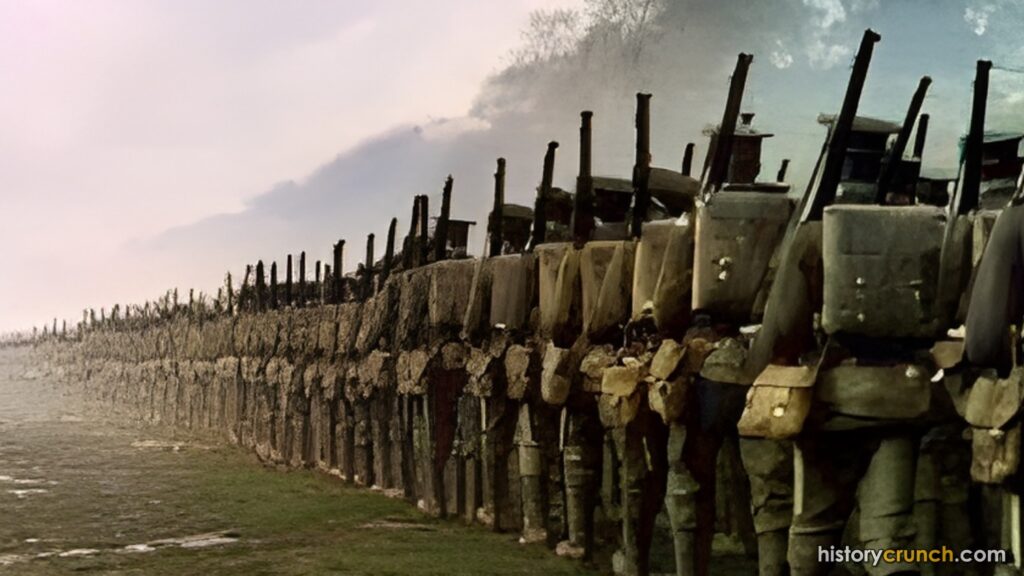
As stated above, the rifle was likely the most important weapon of the First World War. This is because, the rifle was the weapon used by all soldiers on a daily basis. Each soldier in World War I was issued a rifle, with which they used in trench raids and for defensive operations. While World War I is often known for the new weapons technology that emerged from the time period, the rifle was the most commonly used weapon in the war. For instance, many of the new weapons (tanks, poison gas, etc.) were unpredictable in their use. Furthermore, other weapons such as grenades and mortars were equally unpredictable. Whereas, rifles were relatively reliable and particularly effective in trench combat. For instance, bolt-action rifles were excellent for trench-to-trench firing, including sniper firing. As well, the rifles of World War I were usually affixed with bayonets (long knives) on the ends. The bayonets were useful in close hand-to-hand combat, since the soldiers could stab an enemy by lunging their rifles forward. As such, this made the rifle a versatile weapon in World War I. Further to the ideas above, bolt-action rifles also improved in firing rate and reliability in the years leading up to World War I. This meant that the rifles issued to soldiers in the First World War had the fastest rate of fire of any of the time (up to 15 rounds per minute).
RIFLES IN WORLD WAR I – BY COUNTRY
As stated above, each nation issued their soldiers a rifle in World War I. The standard issued rifles for both the Allied Powers and the Central Powers were:
- Lee-Enfield (Britain, including: Australia and Canada)
- Lebel and Berthier (France)
- M1891 (Italy)
- Mosin-Nagant (Russia)
- Springfield 1903 (United States)
- Steyr-Mannlicher M95 (Austria-Hungary & Bulgaria)
- Mauser M98G (Germany)
- Mauser M1877 (Ottoman Empire)
ISSUES FOR RIFLES IN WORLD WAR I
The only major issue facing rifles in World War I was the dirty conditions of the trenches. For instance, mud and cleanliness was an ever-present issue for soldiers on the frontlines. As such, soldiers sometimes struggled to keep their weapons cleaned and properly maintained. Dirt and grit was particularly bad for the bolt-action rifles of World War I because it caused them to jam. To combat this, soldiers on the frontlines were regularly inspected by officers and commanders to ensure they were staying as clean as possible and keeping their rifles in working order.