
Reconstruction Amendments: A Detailed Summary
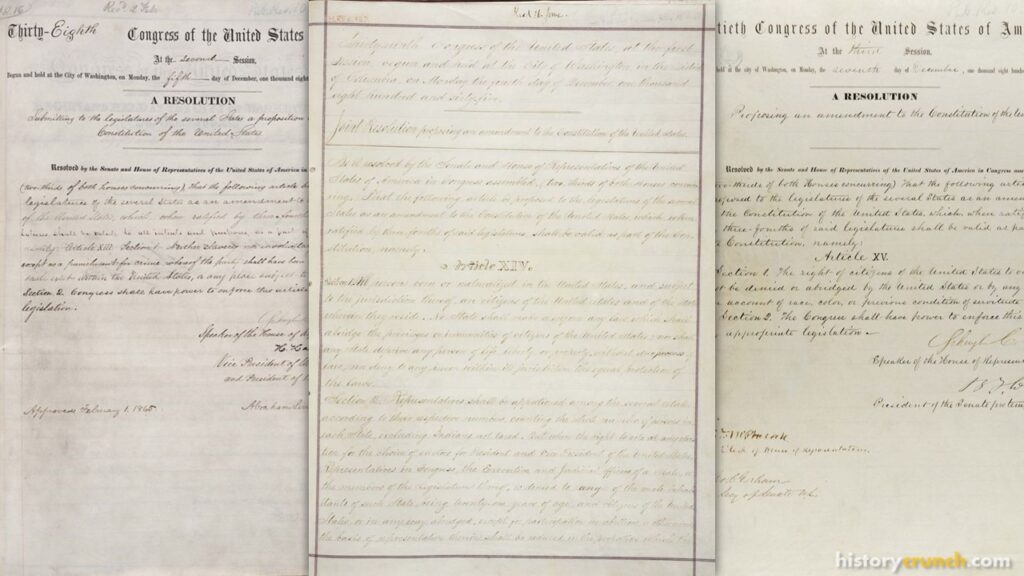
The Reconstruction Amendments were added to the United States Constitution after the Civil War to establish and protect the rights of formerly enslaved people. This article details the history and significance of the Reconstruction Amendments.
Compromise of 1850: A Detailed Summary
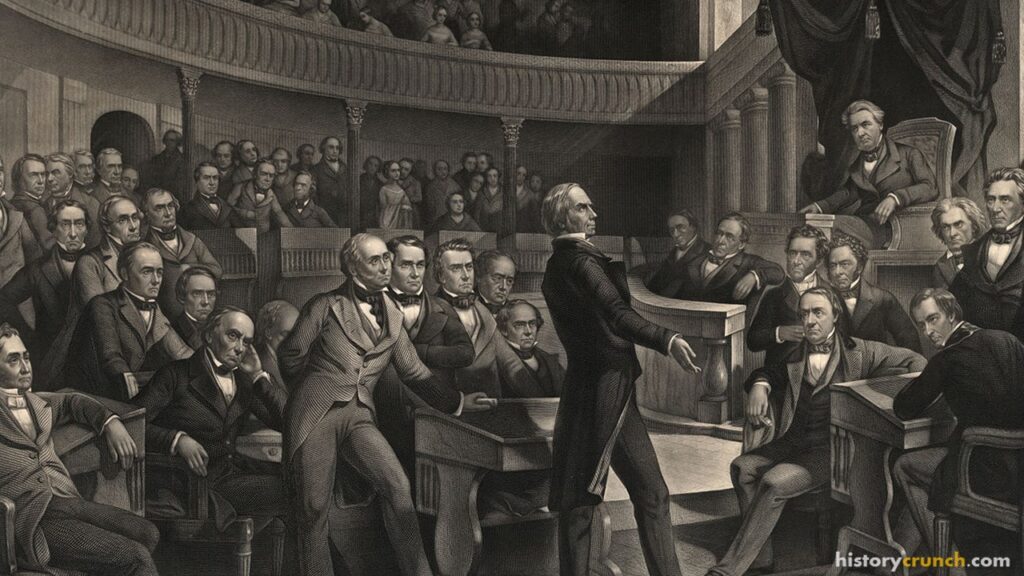
The Compromise of 1850 was a series of laws aimed at easing tensions between free and slave states following the Mexican-American War. It admitted California as a free state, strengthened the Fugitive Slave Act, and allowed new territories to decide on slavery through popular sovereignty. This article details the history and significance of the Compromise of 1850.
Civil Rights Act of 1866: A Detailed Summary
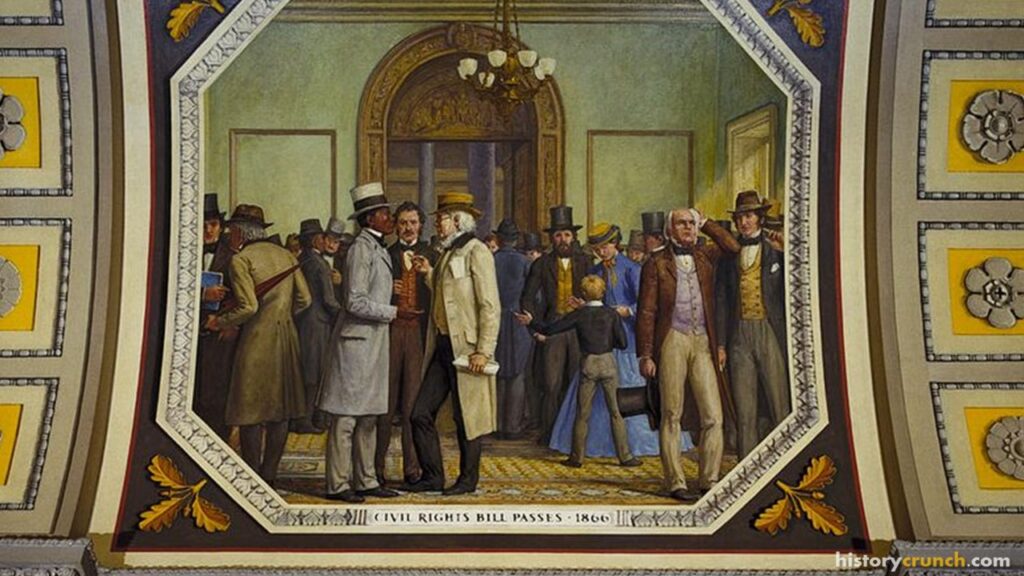
The Civil Rights Act of 1866 was the first federal law to define citizenship and guarantee equal protection under the law for all people born in the United States, regardless of race. It aimed to protect the rights of formerly enslaved individuals by outlawing discriminatory laws like the Black Codes.
John Wilkes Booth: A Detailed Biography

John Wilkes Booth was an actor and Confederate sympathizer who assassinated President Abraham Lincoln on April 14th, 1865, at Ford’s Theatre. This article details the life and significance of John Wilkes Booth.
Causes of the American Civil War: A Detailed Summary
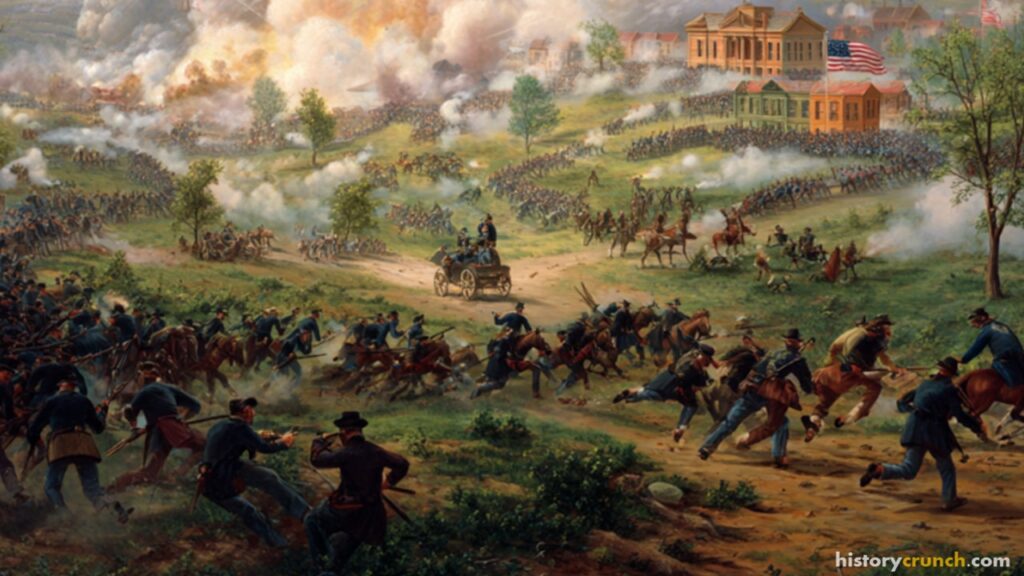
There were several main causes of the American Civil War, including: tensions over slavery, the issue of state rights, the election of Abraham Lincoln in 1860 and the Battle of Fort Sumter. This article details the history and significance of the causes of the American Civil War.
Life for Slaves in the United States: A Detailed Summary
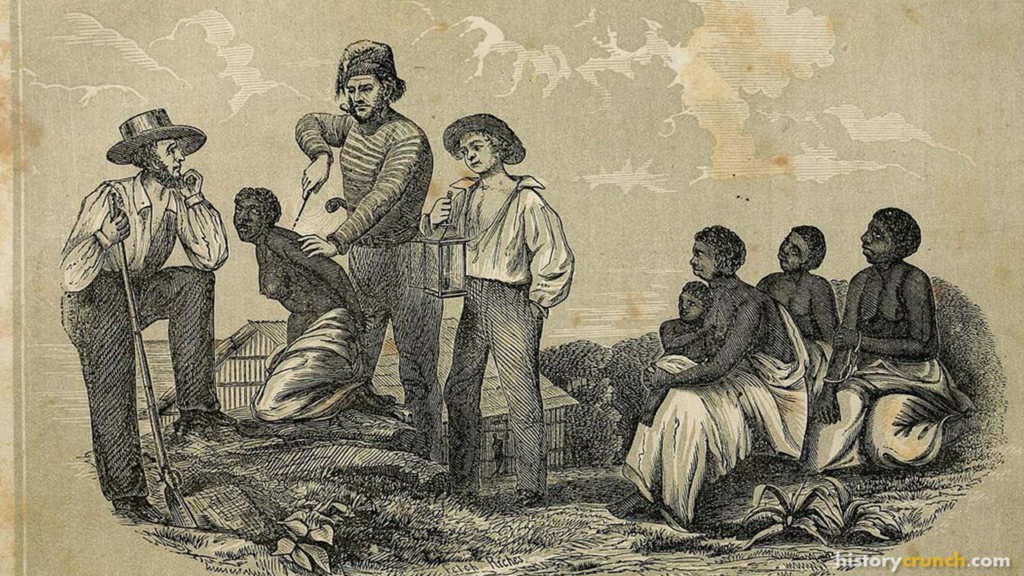
Life for slaves in the United States is an important topic in American history, especially in relation to Colonial America and the period of slavery in the United States.
Economics of Slavery in the United States: A Detailed Summary
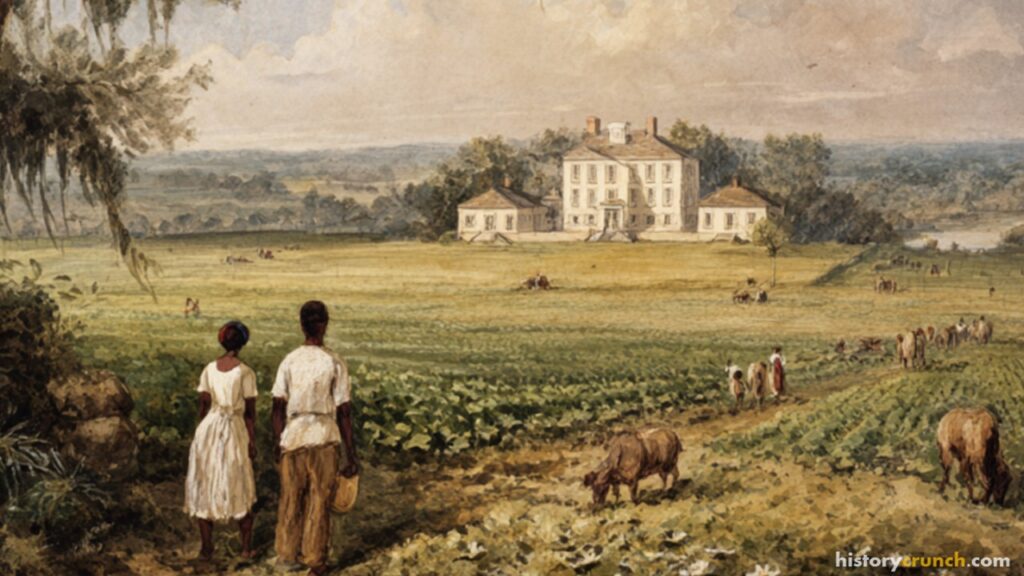
The economics of slavery in the United States were centered on forced labor, especially in the South, where enslaved people were vital to the profitability of cotton, tobacco, and sugar plantations. This article details the history of the economics of slavery in the United States.
Dred Scott and the Dred Scott Case: A Detailed Summary
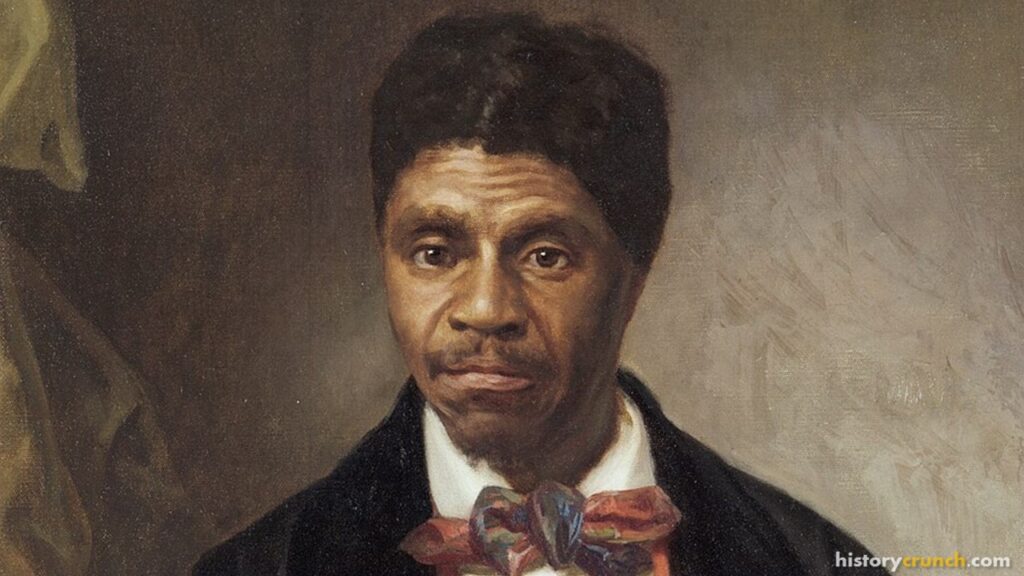
Dred Scott was an enslaved African American who sued for his freedom. In 1857, the United States Supreme Court ruled against him in the infamous ‘Dred Scott Decision’, stating that enslaved people were property and not citizens, and therefore had no right to sue. This article details the history and significance of Dred Scott and the Dred Scott Case.
John Brown’s Raid on Harpers Ferry: A Detailed Summary
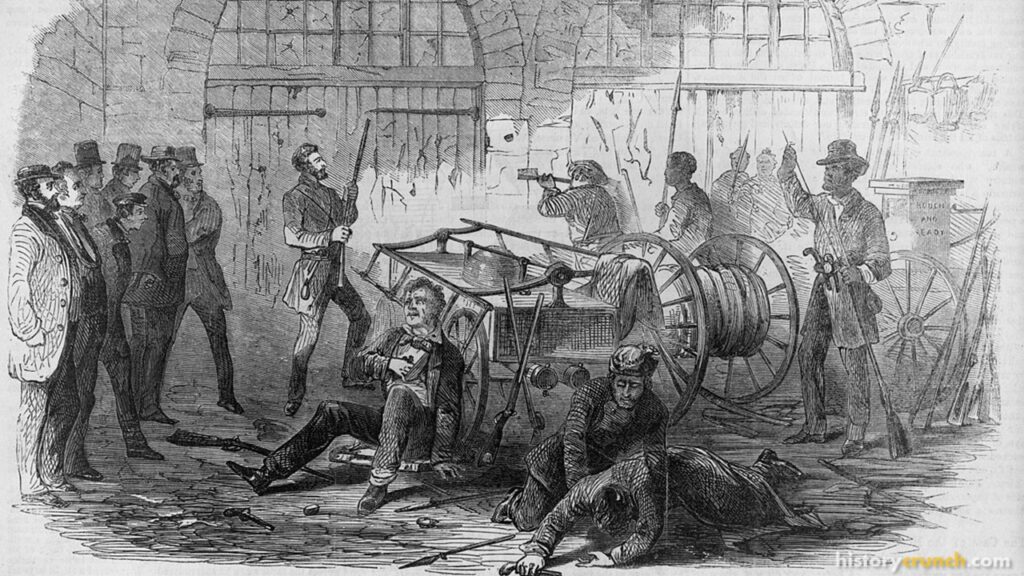
John Brown’s raid on Harpers Ferry in 1859 was an important event in American history, especially in relation to the outbreak of the American Civil War. This article details the history and significance of John Brown’s raid on Harpers Ferry.
Assassination of Martin Luther King Jr. – A Detailed Summary
The assassination of Martin Luther King Jr. was a pivotal moment in the history of the United States and the overall Civil Rights Movement. This article details the history and significance of the assassination of Martin Luther King Jr.