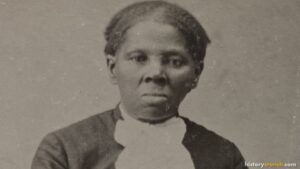
Harriet Tubman: A Detailed Biography
Harriet Tubman was an abolitionist and former enslaved woman who led hundreds of enslaved people to freedom through the Underground Railroad. This article details the life and significance of Harriet Tubman.

Harriet Tubman was an abolitionist and former enslaved woman who led hundreds of enslaved people to freedom through the Underground Railroad. This article details the life and significance of Harriet Tubman.
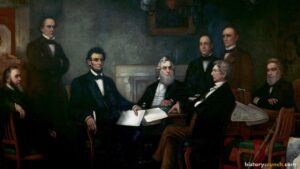
The Emancipation Proclamation, issued by President Abraham Lincoln on January 1st, 1863, declared all enslaved people in Confederate-held territory to be free. This article details the history and significance of the Emancipation Proclamation.
The United States in World War II played a central role in the defeat of both Nazi Germany in Europe and Imperial Japan in the Pacific, becoming the most powerful military and industrial force among the Allied Powers. This article details the history and significance of the United States in World War II.
Was the United States Justified in Using the Atomic Bombs Against Japan? Historians have studied this question since the bombings of Hiroshima and Nagasaki in 1945. This article details reasons for and against the use of the two atomic bombs.
Japanese-American Internment in World War II created profound impacts for the United States and the people who were forced to endure the internment. This article details the history and significance of Japanese-American Internment in World War II.
Emmett Till was an important figure in the Civil Rights Movement whose murder in 1955 drew national attention to racial violence in the United States. This article details the history and significance of the death of Emmett Till, especially in relation to the Civil Rights Movement.
The Freedom Rides were an important series of protests in the Civil Rights Movement in which interracial groups of activists rode buses through the American South to challenge racial segregation in interstate travel. This article details the history and significance of the Freedom Rides, especially in relation to the Civil Rights Movement.
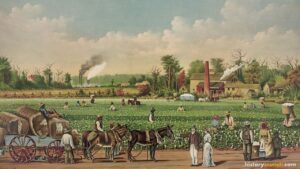
Slave plantations in the United States were large agricultural estates, primarily in the South, where enslaved people were forced to work long hours growing crops like cotton, tobacco, and sugar. This article details the history and significance of slave plantations in the United States.
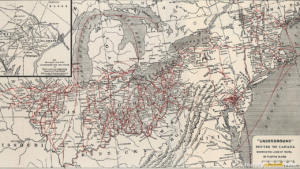
The Underground Railroad was a secret network of routes and safe houses used by enslaved African Americans to escape to freedom in the North or Canada. This article details the history and significance of the Underground Railroad.
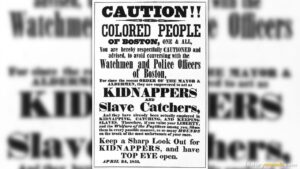
The Fugitive Slave Act of 1850 was part of the Compromise of 1850 and played a significant role in American history, including the outbreak of the American Civil War. This article details the history and significance of the Fugitive Slave Act of 1850.