
Stalinism: A Detailed Summary

Stalinism is the ideology that was used by Soviet leader, Joseph Stalin, during his reign of power. It focused on increasing his power over the people of the Soviet Union and strengthening his dictatorship.
Communism: A Detailed Summary
The first country in the world to adopt communism was Russia during the events on the Russian Revolution in 1917. This article details the history, significance and main principles of communism.
Command Economy: A Detailed Summary
A command economy is considered to be on the left side of the economic spectrum and is based on the principles of collectivism, such as: economic equality, collective interest and public property. This article details the history, examples, and main principles of a command economy.
Ideological Conflict in the Cold War: A Detailed Summary
The Cold War was driven by an ideological conflict between the United States and the Soviet Union. This article details the history and significance of the ideological conflict in the Cold War.
Dictatorship: A Detailed Summary
Dictatorships have been a relatively common form of government throughout the course of the 20th century. This article details the history, principles, examples and techniques of dictatorships.
Containment in the Cold War: A Detailed Summary
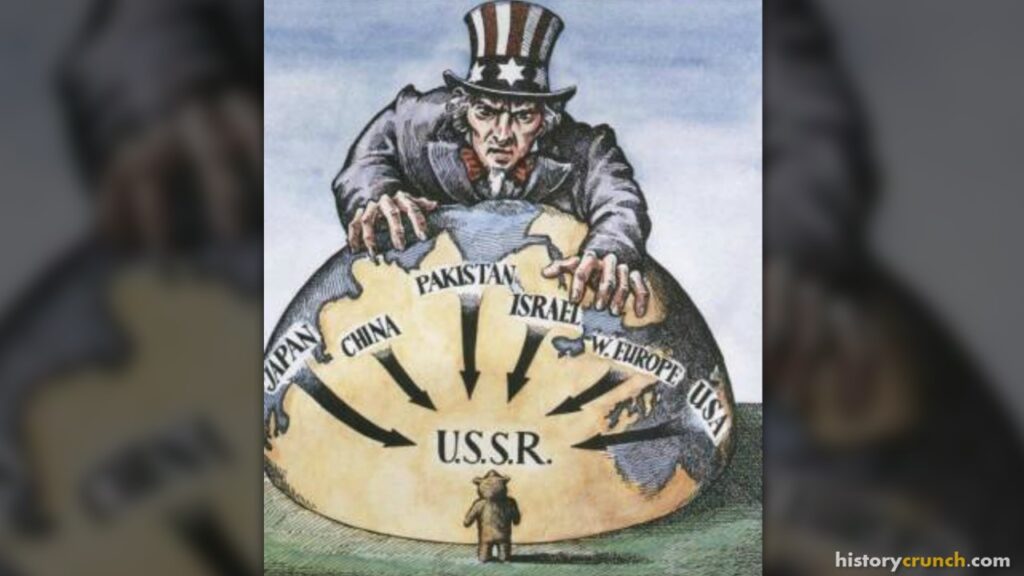
Containment in the Cold War was a foreign policy that was used by the United States as a means of preventing the spread of communism and Soviet expansionism. This article details the history and significance of containment in the Cold War.
U-2 Spy Plane Incident: A Detailed Summary
The U-2 Spy Plane Incident was a major Cold War event between the United States and the Soviet Union that occurred in May of 1960. This article details the history and significance of the U-2 Spy Plane Incident, especially in relation to the Cold War.
Soviet Expansionism in the Cold War: A Detailed Summary
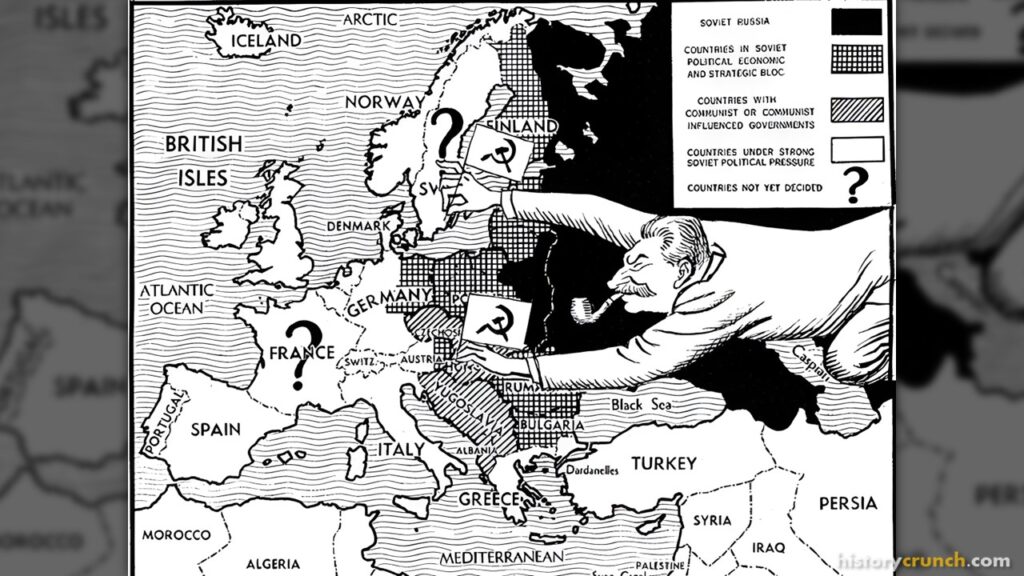
The Soviet Union used the foreign policy of expansionism regularly throughout the timeframe of the Cold War. This article details the history and significance of Soviet expansionism in the Cold War.
Socialism: A Detailed Summary
Socialism is a left-wing economic system that favors government intervention in the economy in order to try to decrease the imbalances created by laissez-faire capitalism. This article details the history, types, main principles, negatives and positives of socialism as an ideology.
Marxism: A Detailed Summary
In the early 20th century, Marxism inspired revolutions, most notably the Russian Revolution of 1917, which established the world’s first communist state under Vladimir Lenin. This article details the history, main principles and significance of Marxism.