
Nazi Germany

Hyperinflation in Germany: A Detailed Summary

Hyperinflation in Germany was one of the worst economic crises of the Weimar Republic and reached its most extreme stage in 1923. The collapse of the German mark wiped out savings, disrupted daily life, and weakened confidence in the new democratic government after World War I. This article details the history and significance of hyperinflation in Germany.
Nazi Germany: A Detailed Overview

Nazi Germany was a totalitarian dictatorship that existed in Germany from 1933 to 1945 under the leadership of Adolf Hitler and the Nazi Party. It was one of the most destructive and brutal regimes in human history, responsible for starting World War II and carrying out the Holocaust.

Cult of Personality: A Detailed Summary

A cult of personality is a form of propaganda used by dictators to present themselves as powerful, god-like figures worthy of admiration and loyalty. Most commonly associated with the totalitarian dictatorships of the 20th century, cults of personality were used by leaders such as Benito Mussolini in Italy, Adolf Hitler in Nazi Germany, and Joseph Stalin in the Soviet Union to maintain control over their citizens.

Life in Nazi Germany: A Detailed Summary

Life in Nazi Germany was significant because it showed how a dictatorship can reshape an entire society. Under Hitler and the Nazi Party, the regime tried to control schools, youth groups, media, law, religion, and culture, while also using fear and violence to silence opposition. This article details the history and significance of life in Nazi Germany.

Anti-Comintern Pact: A Detailed Summary

The Anti-Comintern Pact was an agreement between Nazi Germany and Imperial Japan in the years before World War II. This article details the history and significance of the Anti-Comintern Pact, especially in relation to World War II.

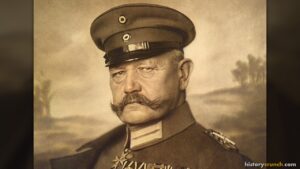
Paul von Hindenburg: A Detailed Biography

Paul von Hindenburg was one of Germany’s most famous military leaders of World War I, especially after the Battle of Tannenberg in August of 1914. He was also the president whose decisions helped open the way for Adolf Hitler’s fascist dictatorship. This article details the life and significance of Paul von Hindenburg.

Tripartite Pact: A Detailed Summary

The Tripartite Pact was a military and economic alliance between Nazi Germany, fascist Italy and Imperial Japan. The basis of the Tripartite pact formed the core Axis Powers of World War II. This article details the history and significance of the Tripartite Pact.

Rome-Berlin Axis: A Detailed Summary

The Rome-Berlin Axis was the political and military partnership between fascist Italy and Nazi Germany in the 1930s. This article details the history and significance of the Rome-Berlin Axis, especially in relation to the events of World War II.

Ernst Röhm: A Detailed Biography

Ernst Röhm was a major figure in the early history of Nazi Germany. He helped create the force that supported Hitler’s rise. This biography details the life and significance of Ernst Röhm, especially in relation to Nazi Germany.

Italian Campaign of World War II: A Detailed Summary

The Italian Campaign of World War II was a major Allied military campaign to invade and liberate Italy from the control of Nazi Germany and fascist Italy between 1943 and 1945. This article details the history and significance of the Italian Campaign of World War II.