The Christmas Truce of World War I was one of the most dramatic events of the First World War, and highlighted the humanity in a time of violence and devastation. This article explores the history and importance of the Christmas Truce of World War I, highlighting its significance in the brutality of conflict.
CHRISTMAS TRUCE OF WORLD WAR I – BACKGROUND INFORMATION
When World War I began in the summer of 1914, many of the young soldiers heading off to the battlefields of Europe believed that the war would be over rather quickly. In fact, the phrase ‘Home by Christmas!’ became popular at the time and reflected the view that the war would be a quick adventure that many of the soldiers did not want to miss.
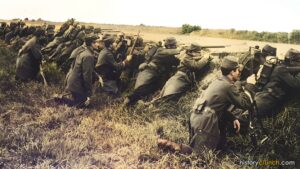
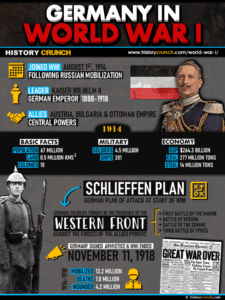
However, soon after the war began, the German plan of attack (Schlieffen Plan) failed to knock France out of the war and a stalemate of trench warfare occurred. Soldiers were soon faced with the reality that the war would not be over by Christmas and that they would be celebrating the holiday from their trenches.

CHRISTMAS TRUCE OF WORLD WAR I – WHAT HAPPENED?
The Christmas Truce of 1914 occurred spontaneously on the Western Front during World War I, primarily between British and German troops. As Christmas approached in December of 1914, soldiers on both sides found themselves entrenched in bitter trench warfare, enduring harsh conditions and unimaginable suffering.
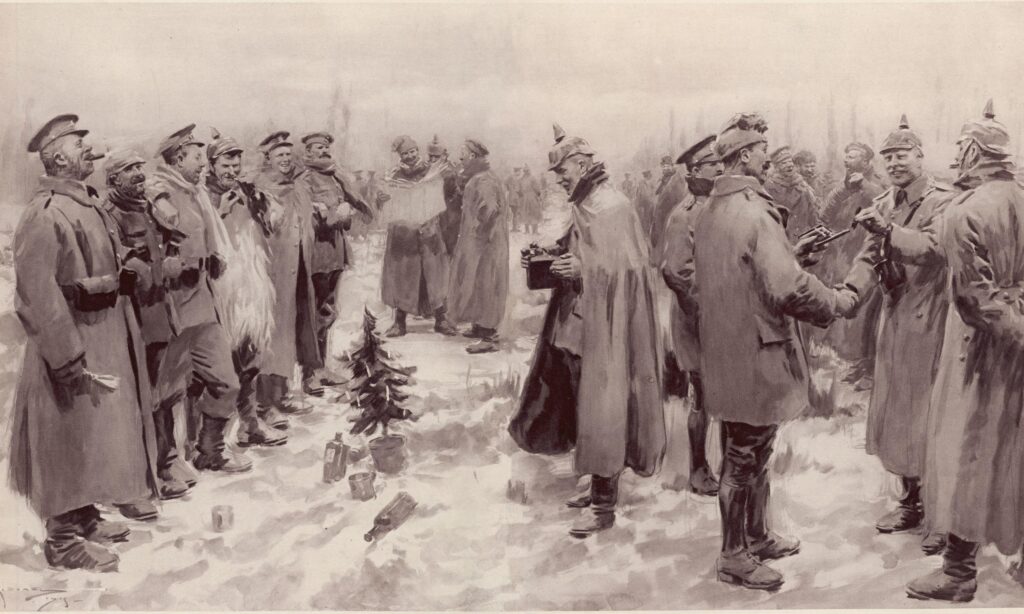
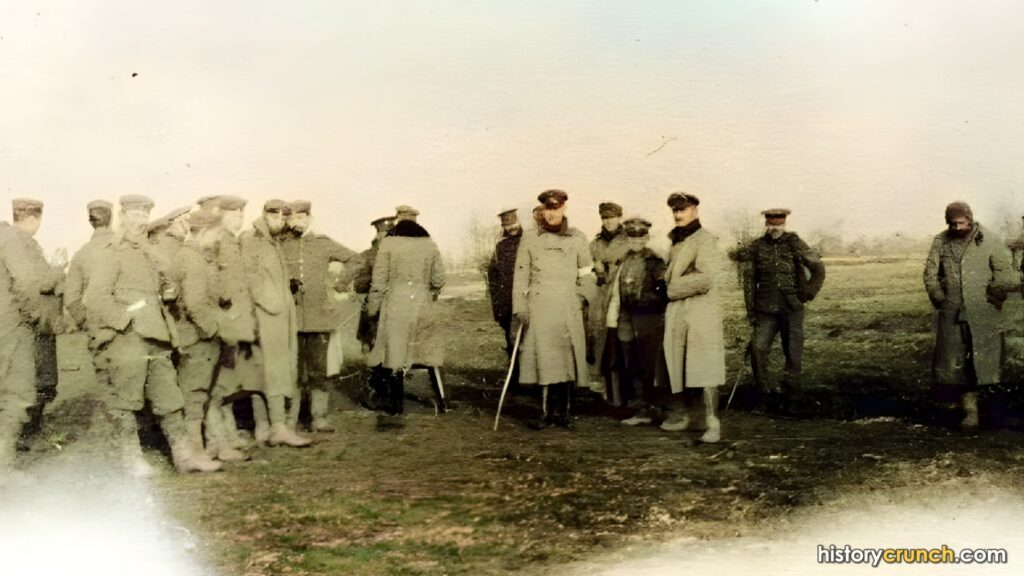
In the days before Christmas, there were reports of both sides (Allied and the Germans) exchanging greetings and singing Christmas carols between the front line trenches. In a few instances, the tensions between the front line trenches lessened to such a point that soldiers from both sides came out to ‘No Man’s Land‘ on Christmas Eve and Christmas Day and met each other. They used the chance to meet, shake hands, exchange small gifts and sing carols. Also, they used the peace to retrieve and bury soldiers who had previously died in the battlefield. As well, it was reported that in a few places, soldiers from both sides played football (soccer) with each other.
CHRISTMAS TRUCE OF WORLD WAR I – HOW WIDESPREAD WAS IT?
It is important to note that the Christmas Truce of World War I, was not necessarily celebrated everywhere. In fact, most of the soldiers along the frontlines did not experience the truce, and the Christmas of 1914 was just another day of war like the months before it. As such, historians believe that the truces were sporadic and limited. Furthermore, it has also been suggested that the Christmas Truce of 1914 was not necessarily a spontaneous event. Rather, there is evidence that the Allied soldiers (British, French, etc.) and German soldiers had been expressing lessened tensions for the weeks leading up to the Christmas of 1914. For example, in the gaps between attacks, the soldiers in each trench experienced long periods of boredom. This led to both sides agreeing to unofficial ‘down’ times where they did not carry out any gunfire or aggression. As such, it is believed that the Christmas Truce of 1914, was the result of a general lessening of tensions throughout November and December of 1914.
CHRISTMAS TRUCE OF WORLD WAR I – RESPONSE
Although the notion of soldiers in World War I agreeing to a truce seems interesting and unique to us today, it caused real concern among the military generals and ‘High Command’ of the time. More specifically, the top military officials worried that a general lessening of tensions among the soldiers was bad for morale. As a result, the generals wanted to end the truces and discourage contact between the opposing soldiers in an effort to maintain their focus on the war effort. For this reason, there were no further truces after the Christmas Truce of 1914.
Understanding that the soldiers on the frontlines were struggling with morale, the leaders of the different European nations (Britain, France & Germany) tried to offer them some provisions to lessen the hardships of war. For example, King George V of Britain sent every British soldier in the trenches of France a letter for Christmas. As well, British soldiers were also supplied with a small tin of gifts which included tobacco, and writing sets for sending letters home. The Germans also received small gifts. However, they were also sent small Christmas trees and other festive items for the Christmas celebrations.
CHRISTMAS TRUCE OF WORLD WAR I – SIGNIFICANCE
While, World War I is remembered as a time of incredible human suffering and death, the Christmas Truce of 1914 is often seen as a symbolic moment of humanity. Military commanders on all sides hated the truce believing it softened their soldiers. They feared that the incident would cause soldiers to identify with their enemy and find it difficult to attack and kill the other side in the days and weeks that followed. Therefore, similar truce’s were banned in all future Christmas’ on the frontlines and the event never occurred again.
The Christmas Truce of 1914 has since become a powerful symbol of peace and goodwill. It serves as a reminder of the universal desire for peace, even in the darkest moments of conflict. The truce has been commemorated through various pieces of literature, art, and film.