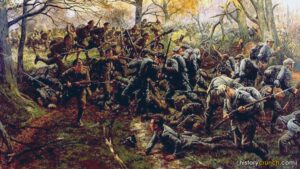
The trenches of World War I are one of the most significant topics of study when learning about the First World War. For instance, trench warfare played a key role in the events of the war and daily life for the soldiers in World War I. This is because there were trenches on all of the main fronts of the war, and soldiers spent weeks in the trenches as they fought against the opposing armies. As such, it is important to understand the structure and purpose of the trenches when studying World War I.
TRENCH WARFARE IN WORLD WAR I
World War I was characterized most dramatically by the nature of trench warfare. In general, trench warfare involved two opposing armies digging trenches in the Earth that faced each other. The armies of World War I did this in order to avoid gunfire from the enemy forces and to await their own orders to attack ‘over the top’ of the trench. Trench warfare was most famously used on the Western Front between the Allied Powers of Britain and France against the Central Power of Germany.
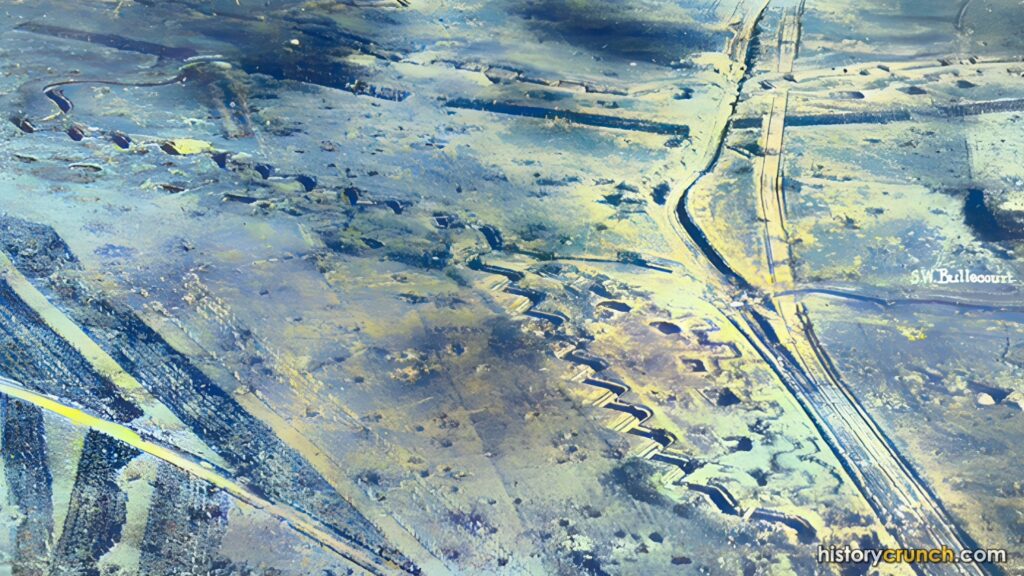
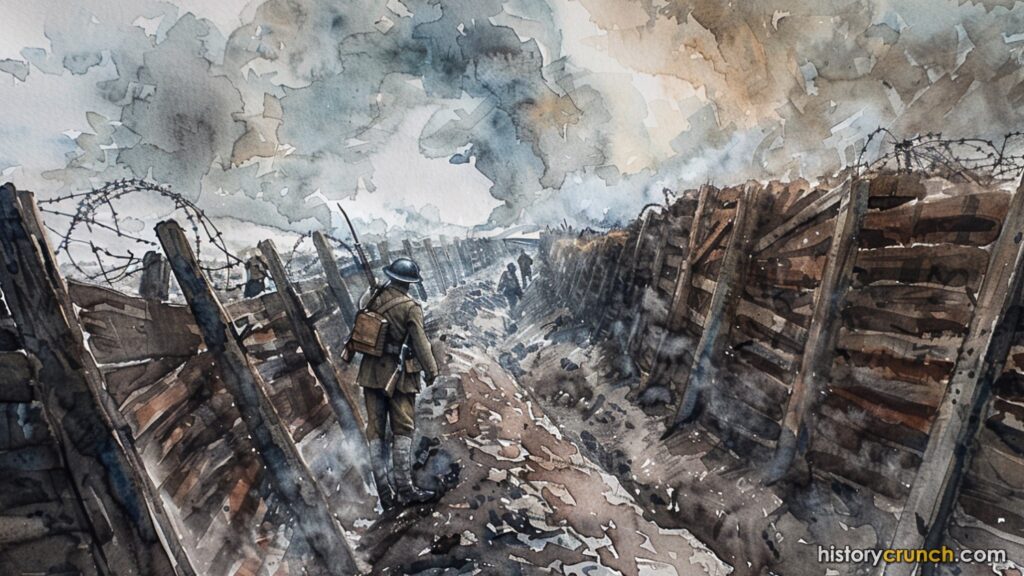
The trenches of World War I were highly structured and included several main features. For instance, there were generally three lines of trenches. The first line of trenches was the frontline, which was used for the immediate fighting against the enemy. For example, soldiers in the frontline trench were sometimes ordered ‘over the top’, which saw them cross ‘No Man’s Land’ towards the enemy trenches. As well, soldiers in the frontline trenches were also at the ready for a possible enemy attack from across ‘No Man’s Land’.
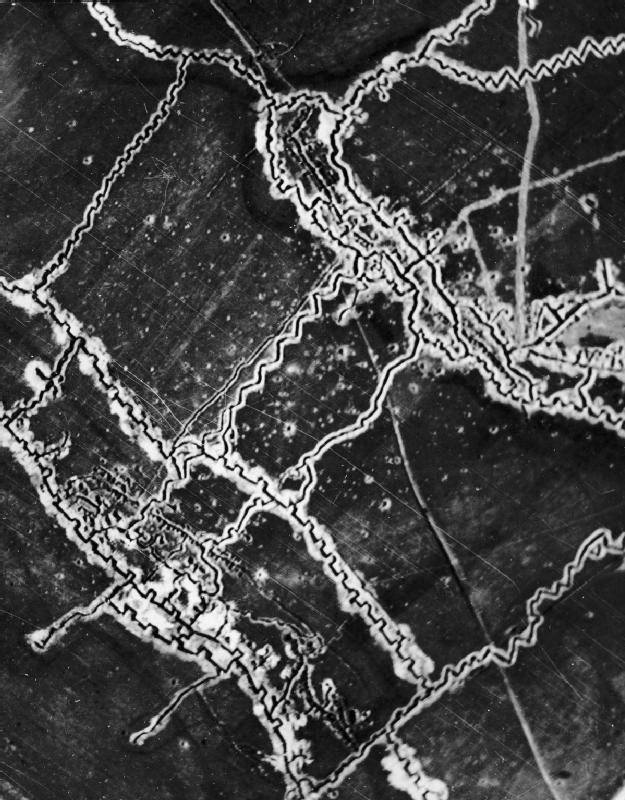
The second trench, which was positioned behind the frontline trench, was referred to as the support trench. The purpose of the support trench was to act as a new frontline trench if the first trench was taken over by enemy soldiers. A such, the support line was important to the defensive operations of trench warfare.
Finally, the third trench, which was behind the support trench, was referred to as the reserve line. This trench was generally placed further back on the battlefield and was used as a place for soldiers to rest and recover from action in the first two lines of trenches. The soldiers of World War I regularly rotated through the three different set of trenches.
MAIN PARTS OF THE WORLD WAR I TRENCHES

- Duckboard – Wooden boards used in the bottom of the World War I trenches in order help soldiers avoid standing in water or mud. The trenches of World War I often became filled with mud and led to soldiers suffering from ‘Trench Foot’. This was a medical condition that resulted from wet conditions and led to infections in the feet of the soldiers.
- Dugout – Holes that were ‘dug out’ of the side of the trench, which soldiers used to rest or sleep. Sometimes they were formal structures made out of wood, scrap metal, etc. Other times the dugouts were just makeshift holes in the side of the trench. They allowed World War I soldiers the opportunity to hide from enemy shelling and artillery fire. As stated above, soldiers used dugouts as a place for rest. During these times, soldiers often ate, wrote letters, played cards or other types of games.
- Trench Ladder – Used by World War I soldiers when they were ordered ‘over the top’. Gave soldiers access to no man’s land, which was the area between the two front-line trenches. They entered no man’s land in order to attack the enemy trench or to repair their own defences.
- Fire Step – A step that was either made out of wood or the soil in the side of the trench. It allowed soldiers to step up and look over the sandbags at the font of the trench and see into no man’s land. Soldiers often used fire step’s when defending against an enemy attack. However, they also had to keep an eye out for enemy snipers!
- Fire Bay – A cutout in the side of the trench facing no man’s land, which was used to defend against enemy attacks. These positions gave soldiers room to line up beside each other and defend their position. Ammunition was often stored in the fire bays for easy access.
- Parapet – The front of the trench, which was generally made out of sandbags. Although sometimes, soldiers used whatever materials they could find. The parapet gave the soldiers protection from enemy fire in no man’s land or the enemy front-line trench. The back wall of the trench was referred to as the ‘parados’.
- No Man’s Land – The area between the two front-line trenches. It was called ‘no man’s land’ due to symbolizing the likelihood of advancing soldiers dying in this region. Soldiers attempting to cross ‘no man’s land’ were met with barbed wire, mines, artillery fire, enemy machine gun fire and deep mud.