The dreadnought of World War I was an important battleship from the early 20th century. Britain was the first country to develop the dreadnought, but it was soon copied by other nations. In fact, the dreadnought led to a naval race in Europe, especially between Britain and Germany. As such, historians usually discuss the dreadnought as an important factor in the causes of World War I, which began in 1914.
HMS DREADNOUGHT
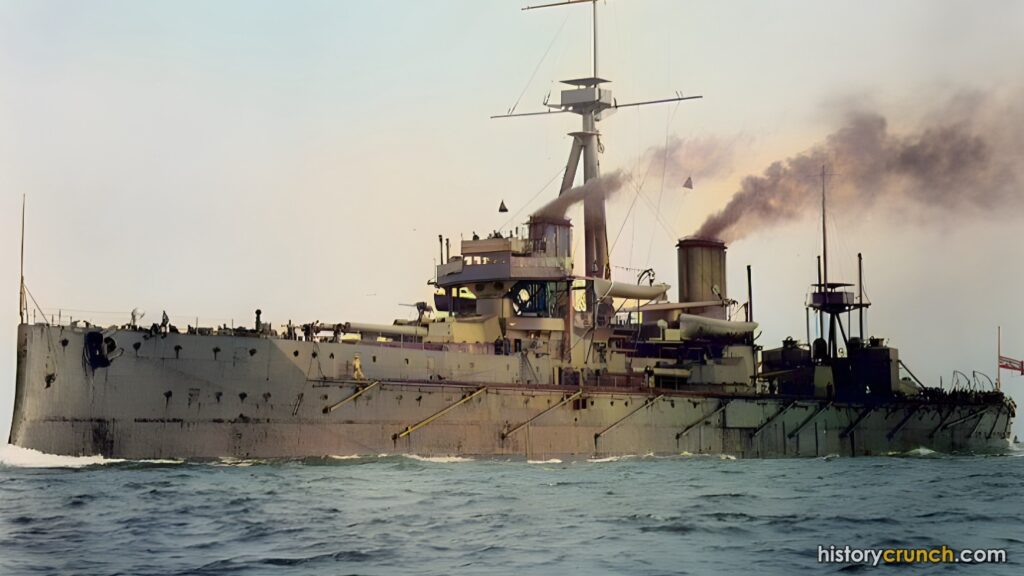
As stated above, the dreadnought was a class of battleship that existed in the timeframe of World War I. However, the first dreadnought was the HMS Dreadnought from the British Royal Navy. The name is meant to refer to a sense of ‘fearlessness’. It was first launched in 1906, and completely changed the history of naval warfare at the time.
Naval ships before the HMS Dreadnought were generally smaller, slower and had a smaller array of main guns. In fact, one of the main features of the HMS Dreadnought was that it had a large caliber main battery of guns. Naval ships before the HMS Dreadnought usually only contained one or two large guns and then were combined with a set of smaller caliber guns. As such, the HMS Dreadnought was the first naval ship that was constructed in the form of a modern battleship. For instance, the HMS dreadnought had ten 12-inch guns as its main form of armament, which was substantially more than earlier battleships. Furthermore, the HMS Dreadnought was 527 feet (160 metres) long and powered by a steam turbine engine, which allowed it to travel up to 21 knots through the water. The new features of the HMS Dreadnought were so significant that the class of naval ships that came before the HMS Dreadnought are now referred to as ‘pre-dreadnoughts’.
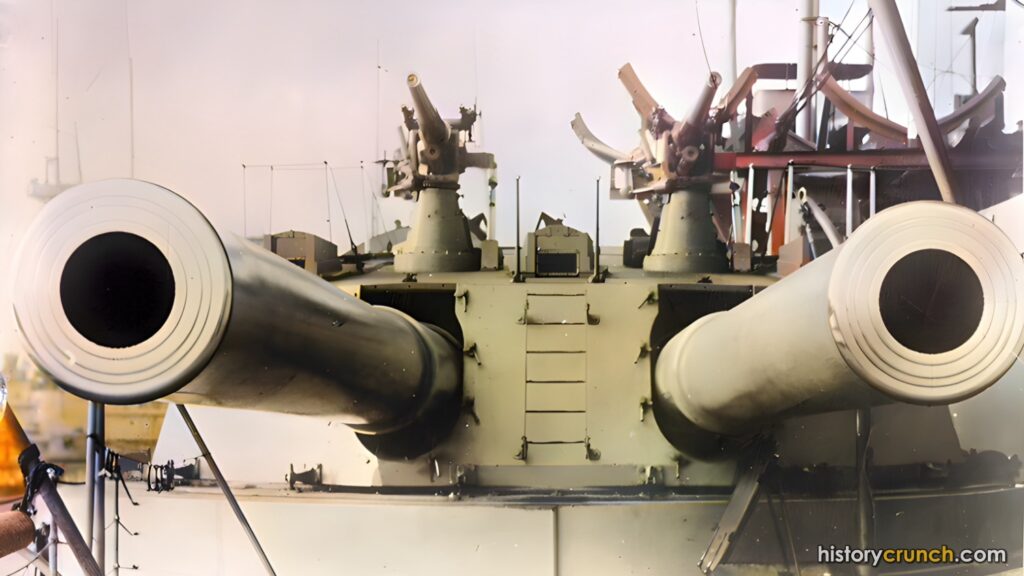
The launch of the HMS Dreadnought by Britain in 1906 was so significant that it brought in a new age of battleships. For example, it was immediately copied and used by the other main European powers for their own naval forces. This was especially evident with Germany, who immediately started construction on their own ‘dreadnoughts’. As such, the term ‘dreadnought’ became the name for the entire class of battleships that were being built in that era. Furthermore, Britain and Germany competed against each other in a major naval race, in the years before World War. Historians consider this naval race and the construction of the dreadnought battleships to be an important factor in the cause of World War I.
As for the HMS Dreadnought, it actually performed very little in the way of service for Britain in World War I. It sank a German submarine by ramming it, but other than that it generally served in the form of coastal defense during the war. It was eventually decommissioned from service and sold for scrap in 1921.
NAVAL RACE BEFORE WORLD WAR I
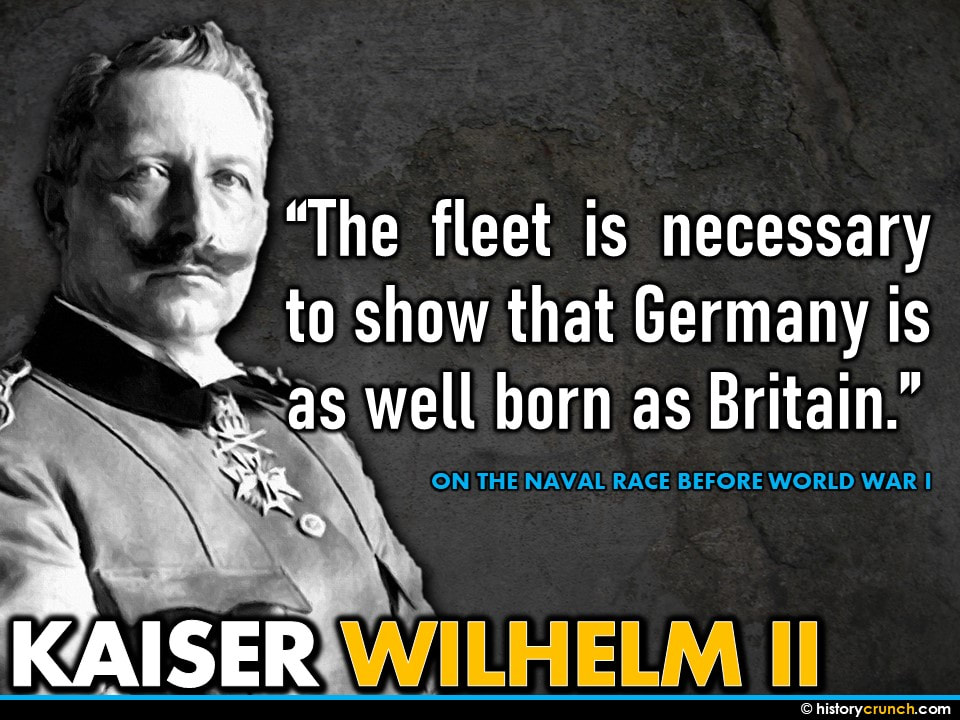
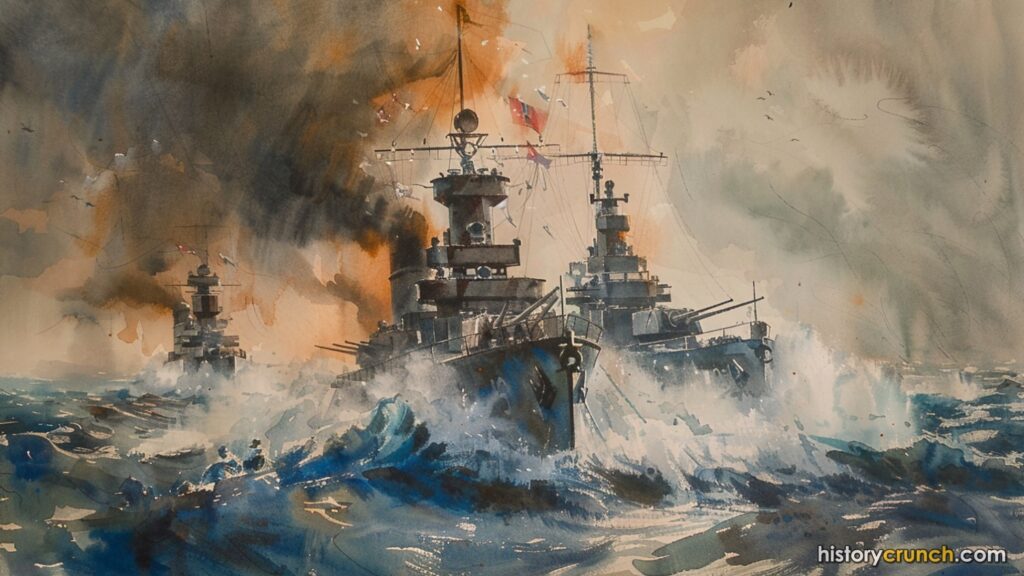
The construction of the HMS Dreadnought was an important aspect of the naval race that occurred before World War I. As stated above, the HMS Dreadnought was such a leap forward in naval technology that it caused other nations to copy the British. As well, other nations felt challenged by Britain’s naval capabilities and responded by building up their own naval forces. In fact, Germany and Britain participated in a major naval race in the years before the start of World War I.
At the time, Britain had the largest navy in the world. This was due in part to the Age of Imperialism and Britain’s vast colonial empire. For example, at the outbreak of World War I, Britain had the largest colonial empire in the world with a particular focus in Africa and Asia. As such, Britain required a powerful navy in order to maintain supply lines to its colonies. As well, since Britain was an island nation it needed a strong naval force to ensure it had the ability to carry out trade by sea. As stated above, Britain’s naval power was threatening to other European nations and caused many to build up their own naval forces.
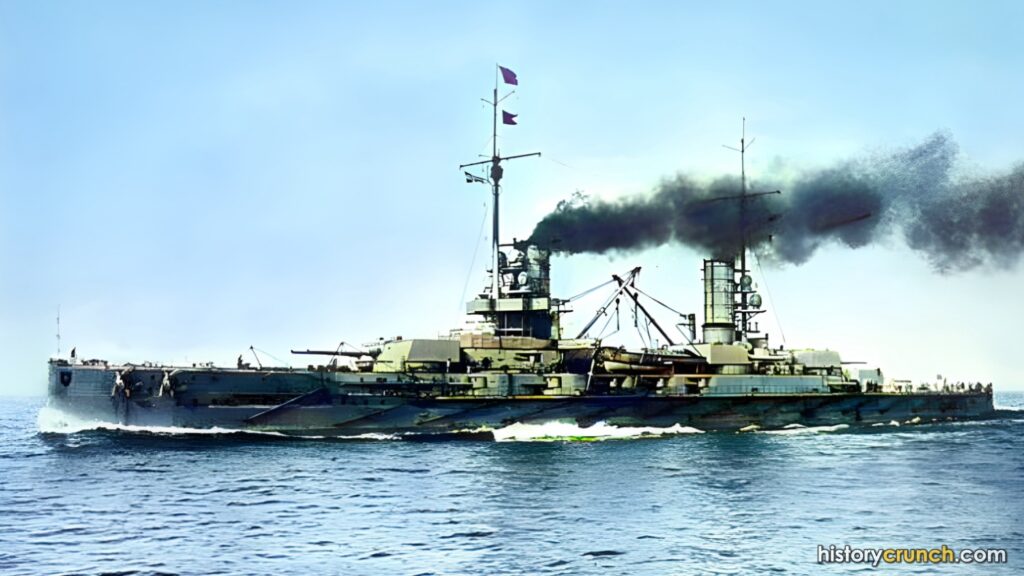
Germany viewed the British navy as a threat and sought to develop its own navy to match. Mostly Germany needed a strong navy to challenge British ships in the North Sea, which was located to the north of Germany and to the east of Britain. The North Sea was Germany’s only coastal access but was difficult for Germany since the North Sea was connected to Britain and the British navy dominated the area. In response, Germany developed its own version of the dreadnought and worked to challenge the power of the British. By the outbreak of World War I in 1914, Britain had 29 dreadnoughts and Germany had 17.