Impacts of World War I: A Detailed Summary

Impacts of World War I
World War I had a profound impact on the world. For instance, the main impacts of the First World War included: political impacts, economic impacts, social impacts and technological impacts.

Table of Contents

World War I, often referred to as the Great War, had a profound impact on the world. For instance, World War I was the first truly global war.  Today, it is remembered for the horrors of trench warfare, the sacrifice of millions of soldiers, and the impact it had on the rest of the 20th century. This article explores the main impacts of World War I and their lasting effects on the course of history.

POLITICAL IMPACTS OF WORLD WAR I

World War I had a strong impact on the political landscape of the time, including the collapse of empires and the redrawing of borders. For instance, the Treaty of Versailles and other peace treaties essentially ended and broke apart the Austro-Hungarian, Ottoman, Russian, and German Empires, giving rise to new nation-states and altering the political landscape of Europe and the Middle East. These changes laid the groundwork for future conflicts and shaped the balance of power in the 20th century.

In fact, historians today now view the outcome of World War I, and the Treaty of Versailles in particular, as a major cause of World War II.  The Treaty of Versailles imposed harsh consequences on Germany and led to the rise to power of Adolf Hitler.  In particular, Hitler rose to power in Germany in the 1930s with a promise to return Germany’s national pride following the embarrassment of the Treaty of Versailles and losses in World War I.

Treaty of Versailles WW1
Signing of the Treaty of Versailles in the Hall of Mirrors. (Colorized by historycrunch.com)

ECONOMIC IMPACTS OF WORLD WAR I

Another important impact of World War I was the economic turmoil it created. For instance, World War I led to inflation, unemployment, and economic upheaval throughout Europe. The war drained national treasuries, strained resources, and disrupted trade and production networks. The resulting economic hardships contributed to social unrest, political radicalization, and the rise of extremist ideologies such as fascism and communism.

Adolf Hitler Versailles
Adolf Hitler rose to power in Germany in the 1930s. He argued against the terms of the Treaty of Versailles. (Colorized by historycrunch.com)

SOCIAL IMPACTS OF WORLD WAR I

World War I is also remembered today for the devastation it caused for both civilians and military personnel.  The use of new weapons and the horrible conditions of the trenches led to over 38 million civilian and military casualties during the course of the war.  In fact, remembrance ceremonies occur on November 11th every year in honor of the sacrifice that many of these young soldiers made during the course of World War I.

The war’s unprecedented scale and brutality left deep scars on societies, contributing to a sense of collective loss. The trauma of the war inspired artistic movements such as Dadaism and Surrealism, as well as literary works that explored themes of alienation and despair.
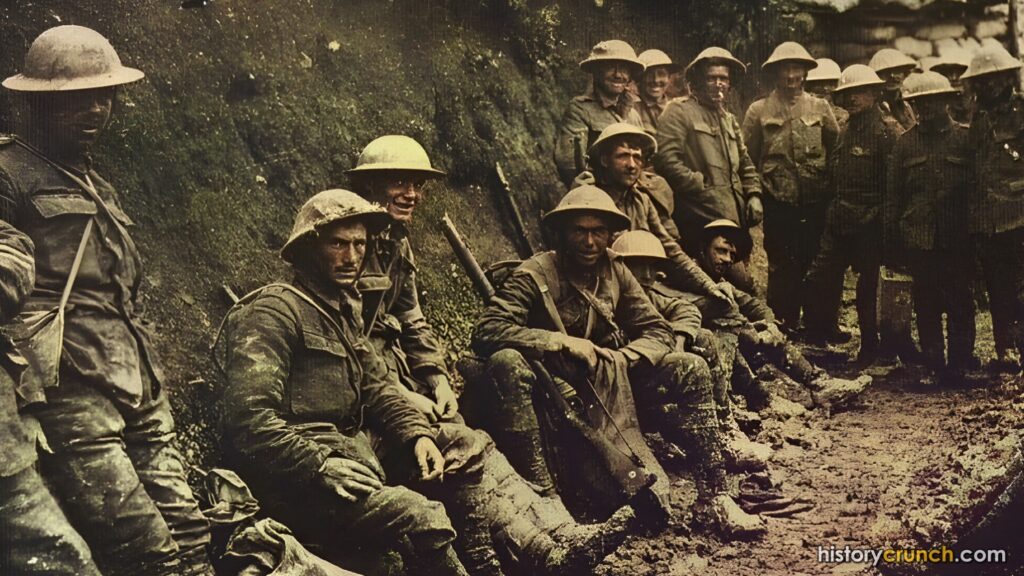
Battle of the Somme in World War I
British soldiers at the Battle of the Somme in 1916. (Colorized by historycrunch.com)

TECHNOLOGICAL IMPACTS OF WORLD WAR I

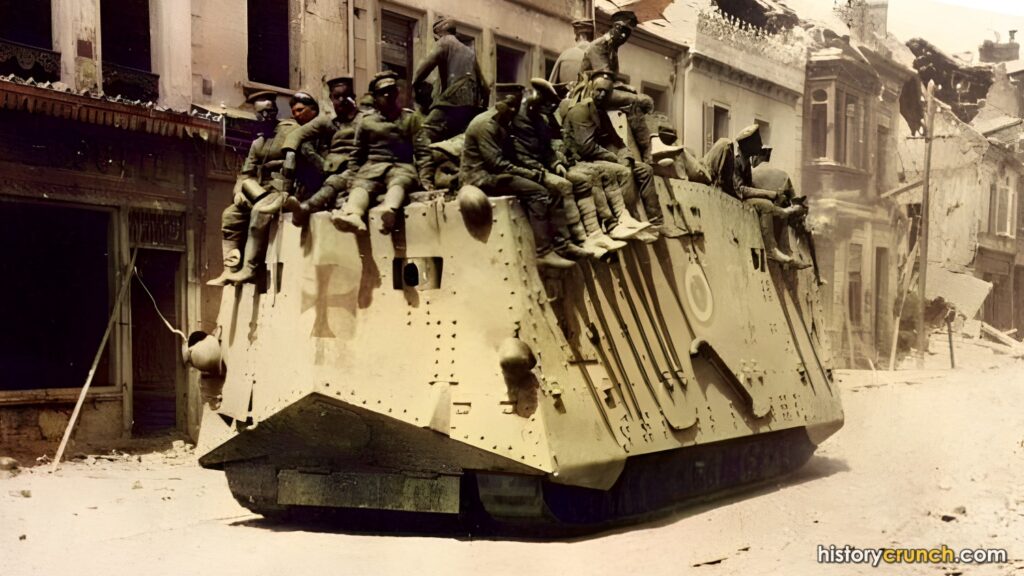
The final main impact of World War I, was the advancements made in weapons technology, which contributed to the death and devastation of the war. For instance, World War I witnessed unprecedented technological advancements and innovations in warfare. The use of tanks, airplanes, poison gas, and trench warfare tactics revolutionized military strategies and tactics. These advancements had far-reaching impacts for future conflicts and laid the groundwork for modern warfare.

ww1 tanks
German A7V Tank in World War I. (1918) (Colorized by historycrunch.com)
Facebook
X
Reddit
Pinterest
LinkedIn

We strive to produce educational content that is accurate, engaging and appropriate for all learners. If you notice any issues with our content, please contact us and let us know!

AUTHOR INFORMATION
Picture of Elias Beck

Elias Beck

I'm a passionate history and geography teacher with over 15 years of experience working with students in the middle and high school years. I have an Education Degree with a focus in World History. I have been writing articles for History Crunch since 2015 and love the challenge of creating historical content for young learners!
Britain in World War I Infographic
Infographics

Britain in World War I: Infographic

This Britain in World War I infographic was created by History Crunch to help students and teachers quickly understand Britain’s role in the First World War. It covers why Britain entered the war, its army and navy, major battles on the Western Front, the home front experience and Britain’s lasting legacy from the conflict. Designed for students in grades 5 to 12.

Machine Guns WW1
World War I

Machine Guns in World War I: A Detailed Summary

Machine guns played an important role in the fighting of World War I. For instance, the nature of trench warfare made the machine gun a deadly weapon for the soldiers who were ordered across No Man’s Land.

Trenches of World War I
World War I

Trenches of World War I: A Detailed Summary

The trenches of World War I were known for the horrific conditions that the soldiers of the time had to endure. In fact, Trench Warfare was a key aspect of World War I, and was common across all of the fronts of the war.

Germany in World War I Summary
World War I

Germany in World War I: A Detailed Summary

Germany in World War I was one of the Central Powers, alongside Austria-Hungary, the Ottoman Empire and Bulgaria. German forces fought across multiple fronts and participated in some of the largest and most important battles of the First World War.

First Red Scare Cartoon
Roaring Twenties

First Red Scare: A Detailed Summary

The First Red Scare occurred from 1917 to 1920 and was a period of intense fear and persecution of communists, socialists, and anarchists in the United States.