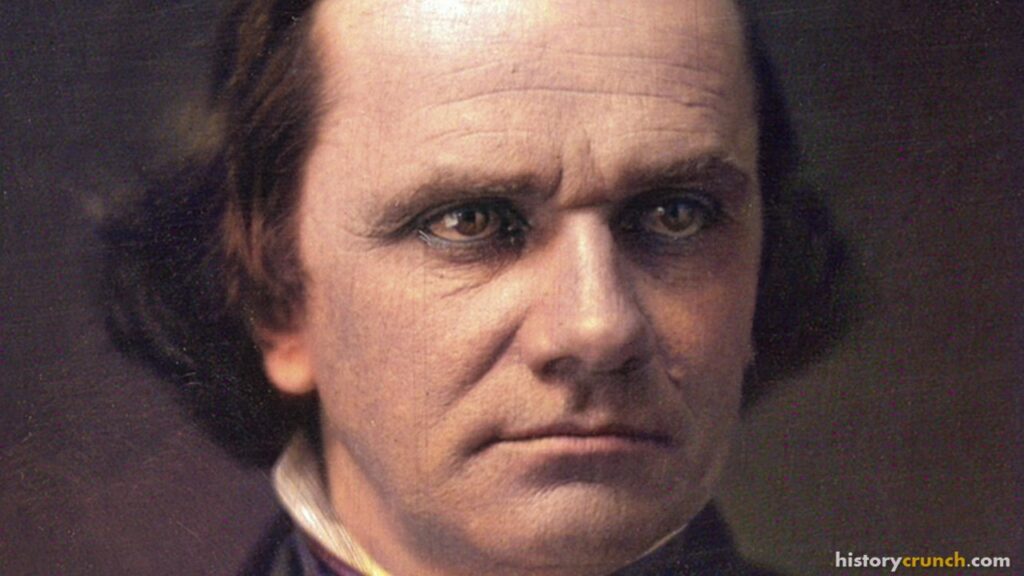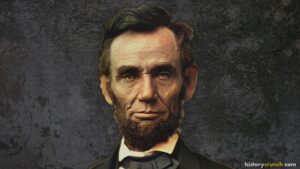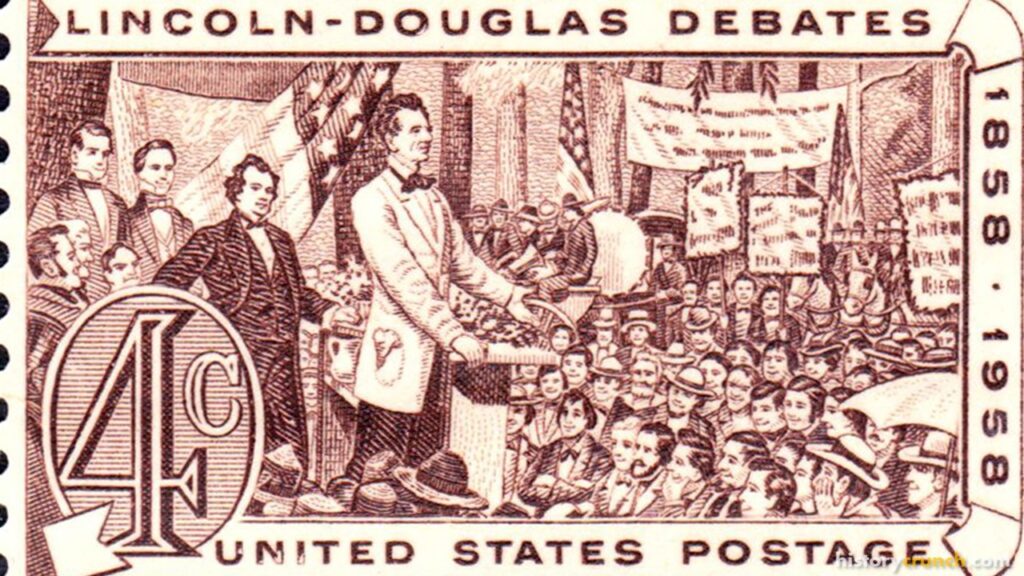
The Lincoln-Douglas debates are some of the most significant political debates in the history of the United States. They were carried out between Abraham Lincoln and Stephen Douglas in the lead up to the 1858 election for the United States Senate. Lincoln had joined the newly formed Republican Party just two years earlier in 1856 and faced off against Douglas, who was a Democrat for the Senate seat in Illinois. While Lincoln ultimately lost the election against Douglas, the debates that resulted between the two men proved to highlight Lincoln’s anti-slavery views and strong public speaking skills. As such, historians consider the Lincoln-Douglas debates as an important moment in the lead up to Lincoln’s eventual 1860 election as the 16th United States President.
LINCOLN-DOUGLAS DEBATES – BACKGROUND
As stated above, Abraham Lincoln’s seven debates against Stephen Douglas for the 1858 election for the United States Senate were a key element of his eventual election as the 16th President of the United States. Stephen Douglas was a lawyer from Illinois and had served as a United States Senator for Illinois since 1847. Douglas was up for re-election in 1858 as a Democrat and was challenged by Lincoln who was running for the Republican Party. During the campaign for the Senate seat, the two politicians agreed to a series of seven debates that spanned across the districts of Illinois.
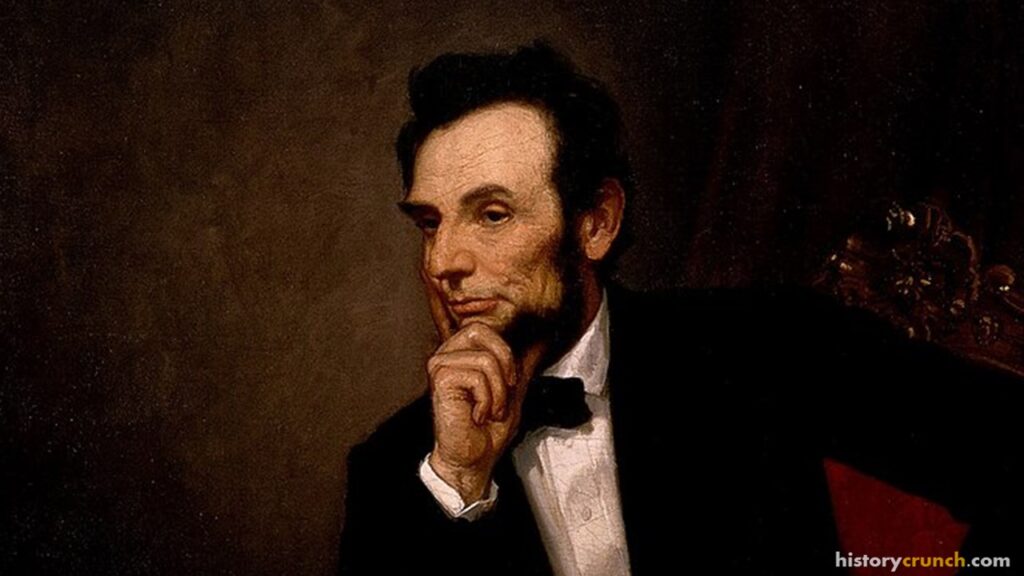
LINCOLN-DOUGLAS DEBATES – DATES AND LOCATIONS
The seven debates took place in the following Illinois towns throughout 1858:
- Ottawa on August 21st
- Freeport on August 27th
- Jonesboro on September 15th
- Charleston on September 18th
- Galesburg on October 7th
- Quincy on October 13th
- Alton on October 15th
LINCOLN-DOUGLAS DEBATES – SUMMARY
Each debate was 3 hours long and focused on a single topic, which allowed the two candidates to argue in depth on particular issues. Of course, the main issue facing the country at the time was slavery and its practise in the United States. On the issue of slavery, Lincoln argued against it as unconstitutional and immoral. For instance, Lincoln spoke about the notion that ‘all men are created equal’ and that slavery was an inhumane act. For his part, Douglas argued that states should be allowed to choose for themselves whether to allow slavery, which was referred to as the ‘Freeport Doctrine’.
The seven Lincoln-Douglas debates were major events at the time and thousands of people came out to hear the two men debate. In fact, although the election was for a United States Senate seat in Illinois, many people came from the neighbouring states because the topics they discussed were relevant to the divided nature of the country at the time. Ultimately, Douglas won the election and was re-elected to the Senate. Regardless of the loss, the debates helped to gain Lincoln a broader base of support within the Republican Party and prepared him for the 1860 Presidential election. Beyond this, the Lincoln-Douglas debates have become known as some of the most significant political debates in all American history. The debates were highly structured and led to a deep discussion of important issues that were impacting the country in the years before the outbreak of the American Civil War, which began just a few years later in 1861. To this day, the debates are considered to be some of the most important and notable in all of American history.