The Meuse–Argonne Offensive in World War I was a major conflict on the Western Front in the final stages of World War I. The Western Front was the line of fighting that occurred along the trenches that stretched through Belgium and northern France.
WHEN AND WHERE DID THE MEUSE-ARGONNE OFFENSIVE OCCUR?
The Meuse-Argonne Offensive took place from September 26th to November 11th in 1918 and was carried out in northeastern France near Verdun, which was the site of the earlier Battle of Verdun. The Meuse–Argonne Offensive was a major assault carried out by the Allied Nations (United States and France) against Germany, and is considered to be part of the larger ‘Hundred Days Offensive’. This was the major Allied advance against the Germans, which led to the end of the war.
More specifically, historians consider the Meuse–Argonne Offensive to be the most significant American battle from World War I. This is due to the Meuse–Argonne Offensive being the largest and deadliest American battle in World War I. As well, it was the main action carried out by the American Expeditionary Force (AEF) during the war.

WHAT HAPPENED DURING THE MEUSE-ARGONNE OFFENSIVE IN WORLD WAR I?
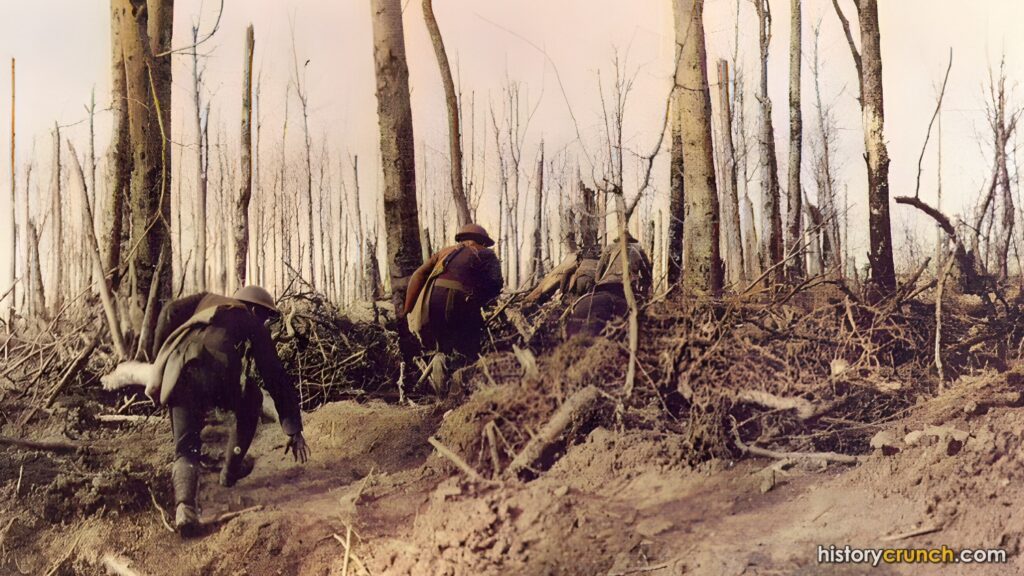
The Meuse–Argonne Offensive unfolded in a series of three phases. The first phase of the battle occurred from September 26th until October 4th, 1918. This first phase was a failure for the American forces, as they failed to capture their objectives and suffered heavy losses. While the Americans experienced some successes, the overall result was a disorganized failure. In reality, the fighting in the Argonne Forest was difficult and arduous for all sides. Historians consider the terrible losses suffered by the United States to be the result of poorly trained American soldiers that were new to the fighting of World War I.
Regardless, the second phase of the Meuse–Argonne Offensive took place from October 4th to the 24th in 1918. The second phase of the offensive resulted in a better outcome for the United States. For example, during this phase, the American forces attacked the German defenders in the Argonne Forest in a series of waves. Eventually, the American divisions were able to push the Germans back and finally on October 24th, the United States had gained full control over the region. The third, and final phase, took place from October 28th until the end of the war on November 11th in 1918. During this phase, the American forces, along with French forces advanced deep into German territory. The advance only ended with news of the armistice of November 11th and the end of World War I.
WHAT WAS THE OUTCOME OF THE MEUSE-ARGONNE OFFENSIVE?
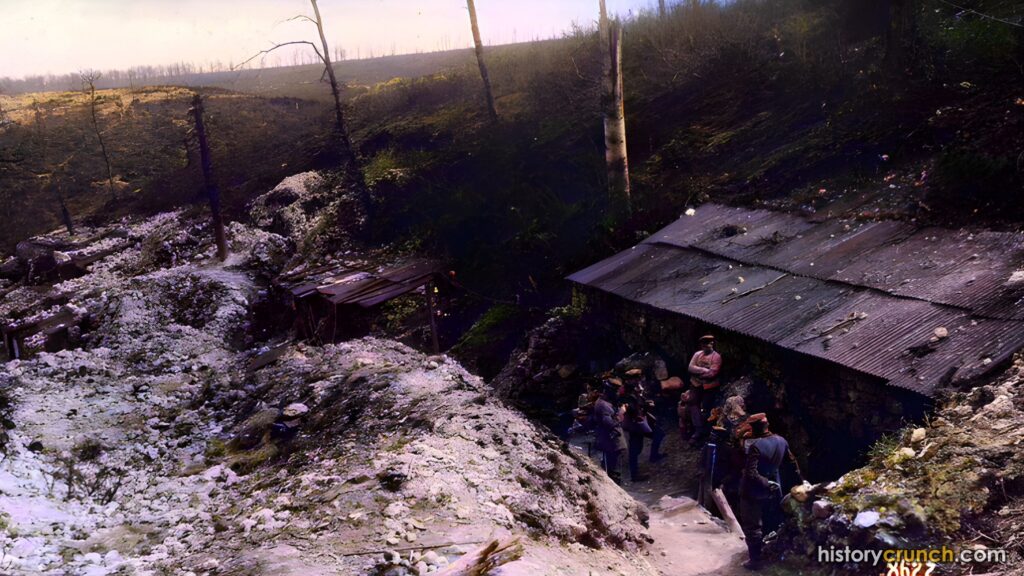
In all, the United States suffered over 122,000 casualties during the Meuse–Argonne Offensive, including over 26,000 deaths. This makes it the second deadliest campaign in United States history, behind only the Normandy Invasion of World War II. On the other hand, historians estimate that Germany endured over 122,000 casualties in the Meuse–Argonne Offensive, including 28,000 deaths.