The Mughal Empire of India is one of the most significant topics and time periods that relates to the British imperialism of India. The Mughal Empire existed approximately from 1526 until 1857 and at its height included most of the territory in modern India, parts of Pakistan and parts of Bangladesh. This makes it one of the largest empires in the history of Southeast Asia.
ORIGINS OF THE MUGHAL EMPIRE OF INDIA
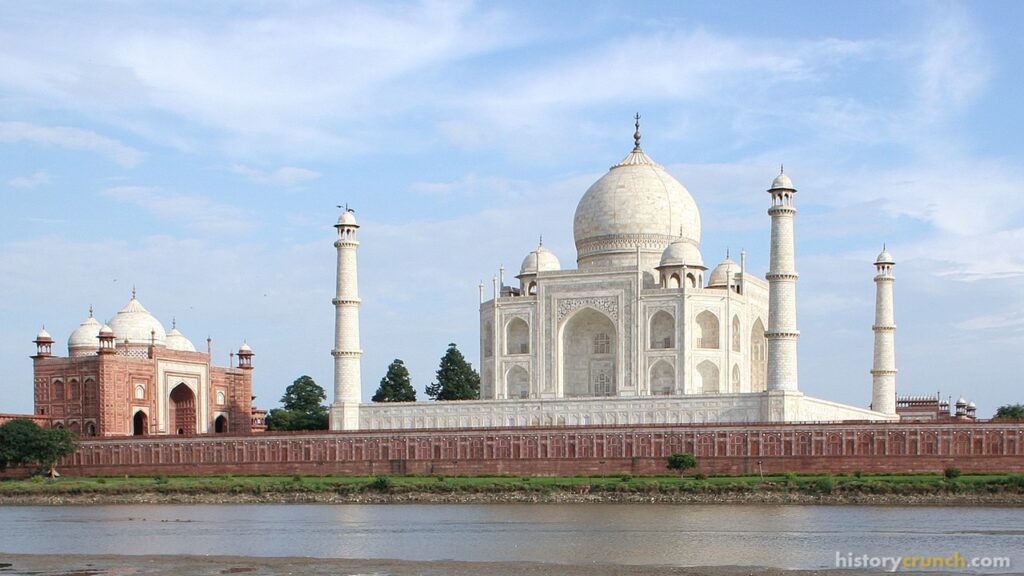
The Mughal Empire of India was supposedly created in 1526 by a warrior chief from northern India (modern Uzbekistan) named Babur. The Mughal Empire had a rocky beginning and battled often with competing kingdoms and empires as it spread south and towards the main area of modern India. For example, Akbar, who ruled over the Mughal Empire from 1556 until 1605, was responsible for expanding the empire and developing a central administration. During these years, the Mughal Empire developed a strong economy throughout central India and even began trading with European trading companies that had begun to arrive on the shores of India, such as the British East India Company. The Mughal Empire continued to grow in territory and cultural influence throughout the 1600s. For example, the famous Taj Mahal was built between 1632 and 1653. Its construction was the suggestion of Mughal emperor Shah Jahan. He ruled over the Mughal Empire from 1628 until 1658 and wanted the Taj Mahal built as a place to house the tomb of his wife, Mumtaz Mahal. The Taj Mahal was made from white marble and is located on the Yamuna River in Agra, India. Today it is a UNESCO World Heritage site and one of the most important historic sites in all of India.
EXPANSION OF THE MUGHAL EMPIRE OF INDIA
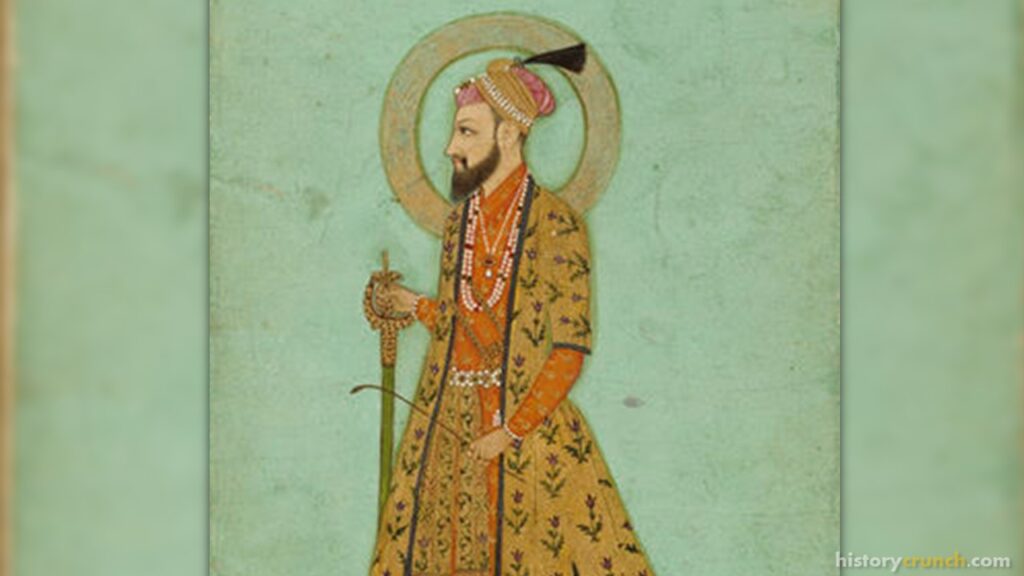
Mughal emperors in the early 1700s continued the expansion of the empire throughout India. For example, during the reign of Aurangzeb (who was the Mughal Emperor from 1658 to 1707), India developed one of the strongest economies on the entire planet. Emperor Aurangzeb also expanded the territory of the Mughal Empire to include most of South Asia. For example, at its height in 1700, the Mughal Empire ruled over approximately 158 million people, which was 23% of the total human population at that time. However, he achieved these accomplishments by suppressing some groups of people throughout the empire, which created a climate of conflict. This included a growing religious divide between the two main religious groups in India at the time – Hindus and Muslims. For instance, soon after the death of Aurangzeb the Mughal Empire fell into turmoil.
DECLINE OF THE MUGHAL EMPIRE OF INDIA
When Mughal Emperor Aurangzeb died in 1707, he was succeeded by his son Bahadur Shah I. However, his reign over the Mughal Empire was short-lived, as he died in 1712. After his death, the chaos in the empire grew as power changed hands between several different emperors over the next few years. This lack of political leadership and authority helped to further weaken the Mughal Empire and lessen its grip over its vast territory in South Asia.
The decline of the Mughal Empire continued under the reign of Mughal Emperor Muhammad Shah who ruled from 1719 until 1748. During this time, the empire lost large sections of land to competing kingdoms such as the Maratha Empire. Despite this, the Mughal emperor remained the main ruler over most of India throughout much of the 1700s, but relied heavily on support from neighboring empires and armies. Furthermore, the Mughal Empire struggled due to a decline in economic activity and difficulty in paying the large expenses necessary to maintain the administration of the empire and its vast territory.
MUGHAL EMPIRE OF INDIA AND EUROPEAN IMPERIALISM
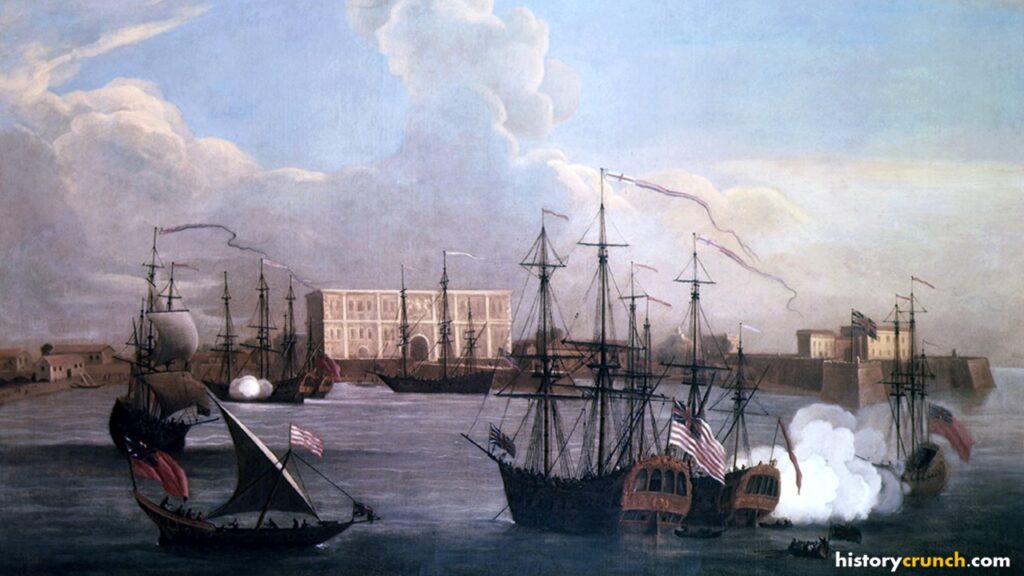
Finally, European nations recognized their opportunity with the weakening of the Mughal Empire and began their own campaigns of imperialism in India. This ended the control of Mughal Empire in India, as it saw power shift towards the British Empire. In the late 1700s and early 1800s, the British East India Company began to exert its influence over the Mughal Empire and its territory. For instance, the British East India Company took control of the former Mughal province of Bengal-Bihar in 1793. This was significant because, Britain (along with other European nations) had taken an increased interest in India for the economic advantages that it could provide. For example, India offered the British Empire a source of raw materials for the industrial factories present back in Britain. This is due, in part, to the emergence of the Industrial Revolution in England during the 1800s. As well, India also offered British companies a large base of consumers for newly developed British products. As such, by the mid-1800s, most of the Mughal Empire was under direct control of the British East India Company.
END OF THE MUGHAL EMPIRE OF INDIA
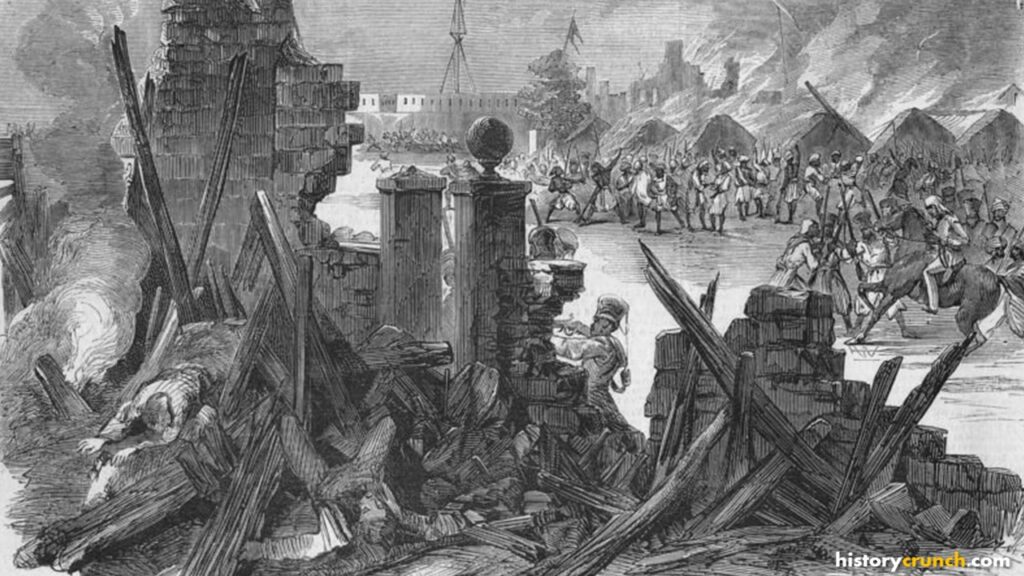
However, the British East India Company soon lost control of the territory in India to the British Monarchy following the events of the Sepoy Rebellion. For instance, the Government of India Act of 1858 gave the British Monarchy control over the British East India Company, including all of the lands in India. This action led to the creation of the British Raj, which was the term for the British Monarchy’s rule over India from 1858 until 1947. The establishment of the British Raj in 1858 formally ended the Mughal Empire.