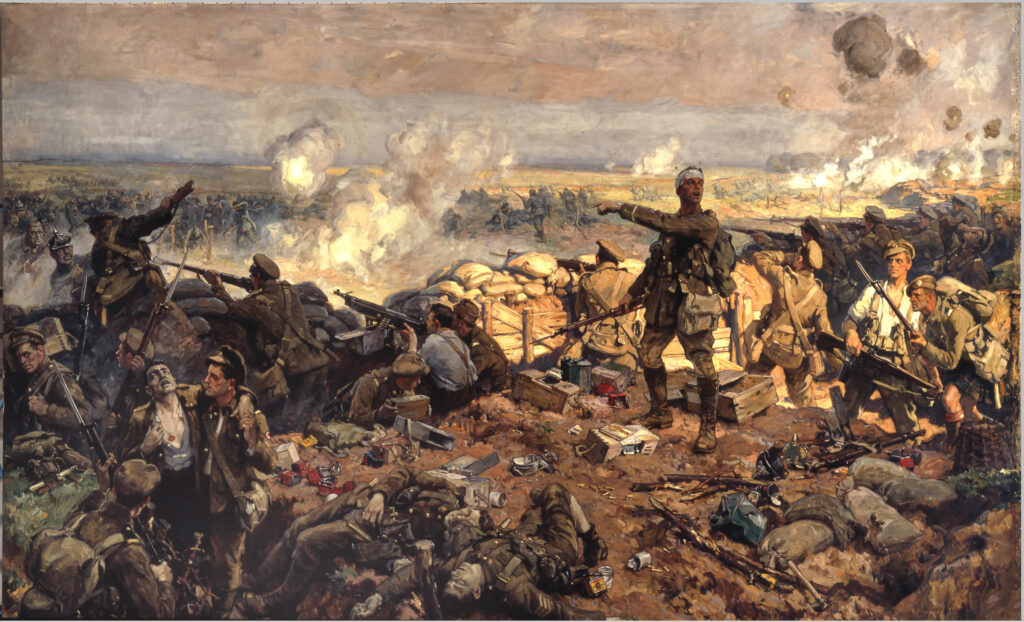
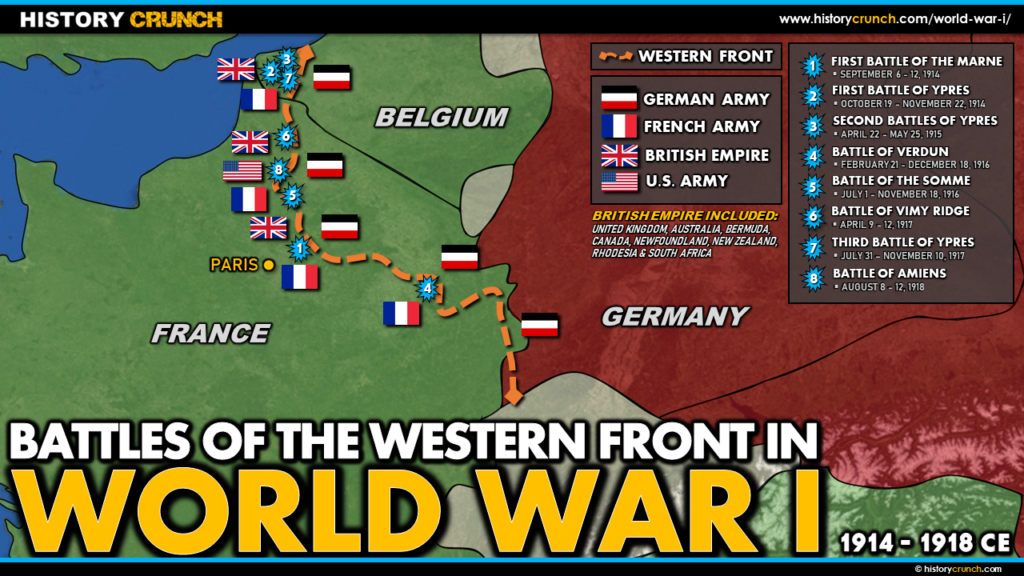
The Second Battle of Ypres in World War I was a major battle in 1915 that took place on the Western Front. This was the line of fighting that occurred along the trenches that stretched throughout Belgium and northern France. The Western Front was the site of some of the largest battles of World War I, including the Second Battle of Ypres. Today, the Second Battle of Ypres is remembered for being an important battle between the Allied Powers of Britain, France and Belgium against the Central Power of Germany. Historically, the battle was also important to the nation of Canada, since they participated in it as a Dominion of the British Empire.
WHEN DID THE SECOND BATTLE OF YPRES IN WORLD WAR I OCCUR?
The Second Battle of Ypres occurred in 1915 from April 22nd until May 25th. Ypres is a town in western Belgium that saw intense fighting in World War I between the Allied and German forces. For instance, it involved at least three major battles – First Battle of Ypres, Second Battle of Ypres and the Third Battle of Ypres. The Second Battle of Ypres followed the First Battle of Ypres, which occurred in October and November of 1914.
WHAT HAPPENED DURING THE SECOND BATTLE OF YPRES IN WORLD WAR I?
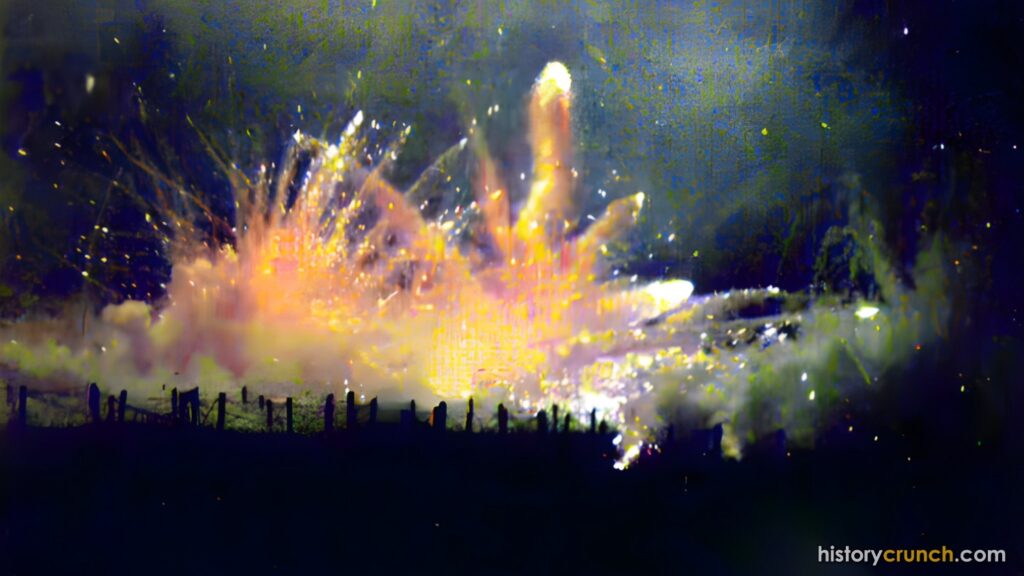
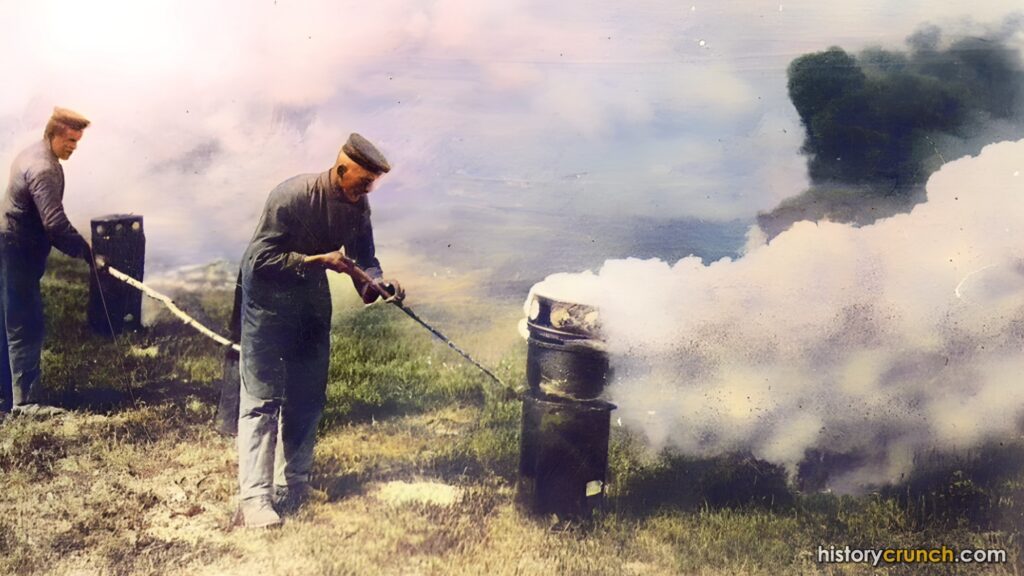
The Second Battle of Ypres unfolded as a series of five conflicts, which included: Battle of Gravenstafel, Battle of Kitchener’s Wood, Battle of St. Julien, Battle of Frezenberg, and the Battle of Bellewaarde. These conflicts saw intense fighting, but also involved the first use of poisonous gas on the Western Front. Germany introduced chlorine gas canisters into the battle on the first day of fighting, when they used the deadly gas against the French troops. The Germans first advanced on Ypres with the Battle of Gravenstafel Ridge on April 22nd. They did so by first releasing canisters of chlorine gas across the battlefield. The Germans had to use the prevailing winds of the time to allow it to push the gas towards the Allied lines. The poisonous gas was deadly, especially due to it being heavier than air. This caused it to be pushed down into the Allied trenches and caught many of the early victims off guard. For instance, the French soldiers, which were the initial victims of the gas, suffered terribly. They struggled to grasp for air and coughed uncontrollably. In all, historians estimate that the French suffered as many as 3,000 casualties in this initial attack, including between 800 and 1,400 deaths.
The Second Battle of Ypres continued for several more weeks, and finally ended on May 25th. The town of Ypres was essentially destroyed from artillery fire. The final result of the battle saw the Allied forces (British) withdraw 3 miles close to Ypres. As such, Germany gained very little for the loss of life that resulted from the battle. For this reason, historians view the Second Battle of Ypres as an example of the ‘waste of humanity’ that World War I proved famous for. For example, the Second Battle of Ypres cost the lives of many people on both sides. German casualties totaled over 34,000, French casualties totaled about 18,000 and Canadian casualties totaled almost 6,000. In all, it is estimated that the British forces suffered nearly 60,000 casualties.
WHY WAS THE SECOND BATTLE OF YPRES IN WORLD WAR I SIGNIFICANT?
The Second Battle of Ypres was significant because it saw the first time that a former colonies soldier’s defeated a European power within Europe. For example, after the German gas attack on the first day of the battle, Canadian soldiers were the primary defenders of the German flank at Ypres. Canadian soldiers defended the town of St. Julien and withstood the gas attacks by the German soldiers. Famously, Canadians urinated on cloths that they used to cover their faces when the gas attacks began to try to prevent breathing in the poison. The ammonia present in urine helped to counteract the effects of the chlorine gas. The news of this technique spread throughout the front lines and soldiers across the Western Front began using it. As well, both the Allied Powers and the Central Powers began developing gas masks. Regardless, Canadian soldiers, despite facing heavy gas attacks and German advances, were mostly able to hold back the German advance and prevent Germany from making inroads into Allied held territory.
As stated above, the Second Battle of Ypres was important for the introduction of poisonous gas into the battlefields of World War I. While it was not necessary the first use of poison gas, it was the first mass use of gas – especially on the battlefields of the Western Front. The use of poisonous gas at the Second Battle of Ypres was also important because it changed the nature of warfare in World War I. This is because, poisonous gas became a common feature of the war after the Second Battle of Ypres, and all nations began using it as part of their battle plans.