Stalinism is the term used to identify the political and ideological system associated with Joseph Stalin and his rule over the Soviet Union from the mid-1920s until his death in 1953. This article explores the main aspects of Stalinism, including its political, economic, and social factors.
What is Stalinism?
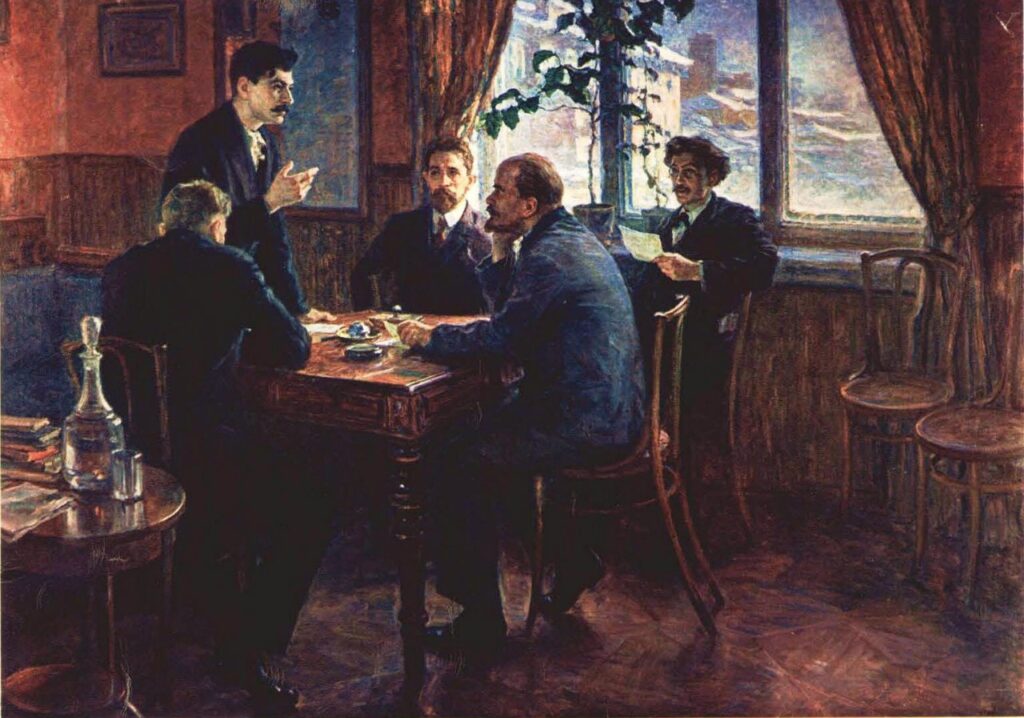
Following Vladimir Lenin’s death in 1924 there was a power struggle in the Soviet Union between Stalin and Leon Trotsky. Stalin eventually isolated Trotsky within the power structure of the Soviet Union and forced him into exile. Stalin’s rise to power was complete as he centralized all power in the Soviet Union under himself and ran the country as a Communist dictatorship. Although Stalin claimed to be a Marxist-Leninist, his own interpretations of communism were influenced heavily by his desire to maintain absolute power and control. As such, historians refer to Stalin’s form of communism as ‘Stalinism’. In general, Stalinism impacted the political, economic and social aspects of life in the Soviet Union.
Political Aspects of Stalinism
Stalinism had a profound impact on the political life of the Russian people. For instance, Stalin famously established a cult of personality, to help strengthen his authority over the country. A cult of personality refers to when a political leader, often in a position of authority, is glorified and elevated to a near-mythical or god-like status. In such cases, the leader’s image is shared through extensive propaganda and symbolism to create a sense of unquestioning loyalty among the population. Stalin developed a cult of personality in the Soviet Union that established himself as a strong and dependable leader that could guide the country through its problems.
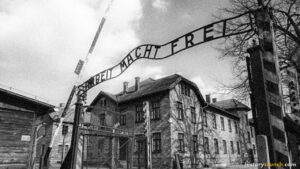
Another aspect of Stalinism was the use of purges. Stalin carried out widespread purges within the Communist Party and state institutions during his time as leader. For instance, the Great Purge of the 1930s led to the elimination of Stalin’s political rivals, intellectuals, and anyone considered a threat to Stalin’s authority or power. These purges were an important tool that Stalin used to spread fear among the Russian people. Furthermore, Stalin established gulags during his time as the dictator of the Soviet Union. In short, a gulag was a labor camp, where people who were considered undesirable were sent. Stalin often had people who questioned his authority sent to the gulags as a form of punishment
Also, Stalin centralized power in himself, which made him an authoritarian leader. The political system evolved into a one-party state, with the Communist Party under Stalin’s absolute control. Dissent from the Soviet population was not tolerated, and political opposition was swiftly crushed. Again, Stalinism focused on controlling the political makeup of the Soviet Union and ensuring Stalin’s complete control over the country.
Economic Aspects of Stalinism
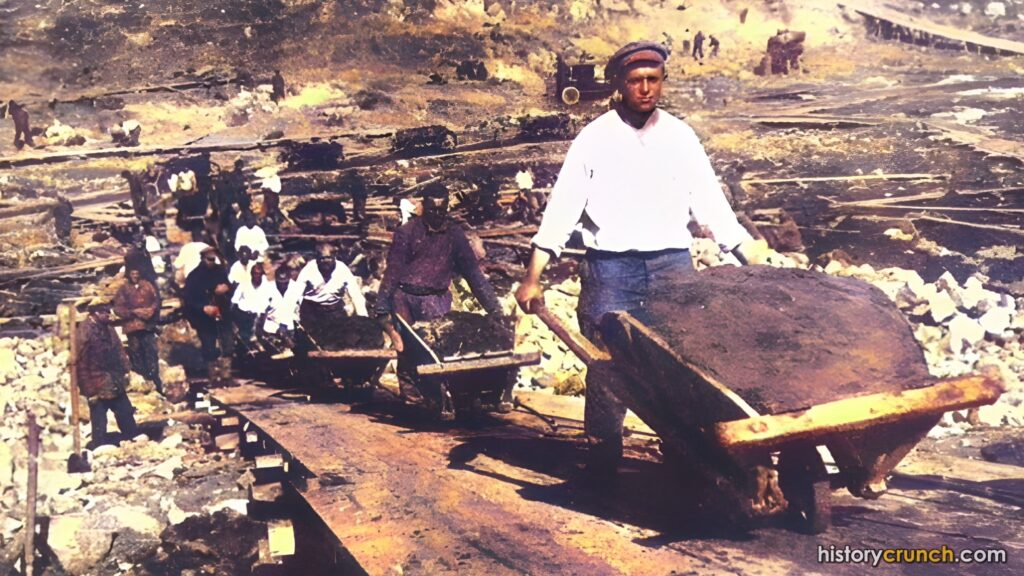
Stalinism also had an important impact on the economic life of the Soviet Union. For example, Stalin implemented rapid and forced industrialization in the Soviet Union as part of the ‘Five-Year Plans’. Heavy industry was prioritized, often at the expense of consumer goods. This policy aimed to transform the Soviet Union into an industrial powerhouse.
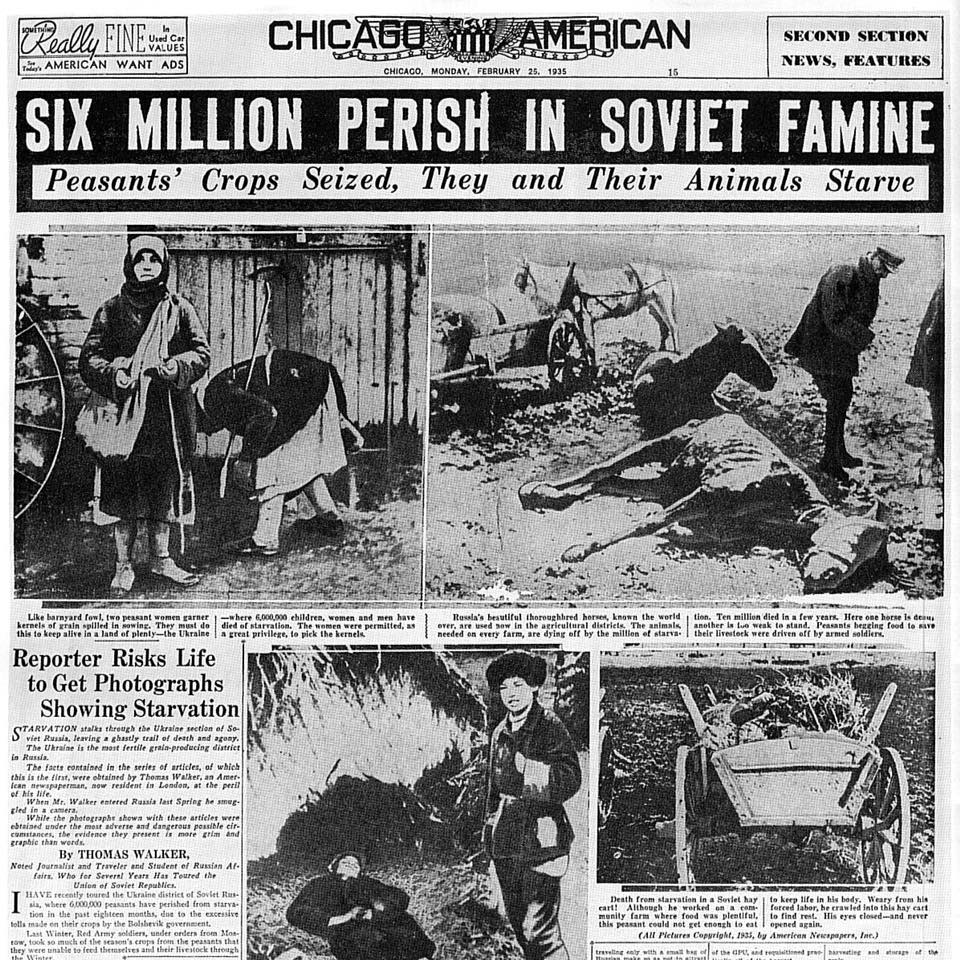
Further to the concept of industrialization was the collectivization of agriculture in the Soviet Union. The collectivization of agriculture involved the combining of small farms into large, state-controlled collective farms. This policy was met with resistance from peasants, leading to widespread famine and social upheaval. In fact, historians consider the events of the Ukraine Famine (Holodomor) to be the result of Stalinism and the effects of collectivization. This collectivization was carried out to help speed up the process of industrialization and to crush political dissent among some Ukrainian peasant farmers.
The next economic aspect of Stalinism was the development of a command economy in the Soviet Union. For instance, Stalin established a command economy, which is when the state controls all aspects of economic planning and production. Central planning eliminated market forces, and the state dictated what goods were produced and where resources were allocated. This was another example of Stalin strengthening his control over the economic lives of the Russian people.
Social Aspects of Stalinism
Stalinism also had a profound impact on Russian society and the social life of the Russian people. For instance, Stalin embarked on a campaign of social engineering to reshape Soviet society according to communist principles. This included the promotion of a new Soviet culture and the suppression of religion and traditional values. He didn’t want other forms of authority (Church, etc.) to question his own authority in the Soviet Union.
Another important impact of Stalinism on Soviet society was in the area of Education. For example, under Stalin’s rule, education became a tool for indoctrination, with the state influencing what people learned as a means to instill socialist ideology. Propaganda existed in all aspects of life, from literature and art to media and public events.

Impacts of Stalinism
The rule of Joseph Stalin and Stalinism had a significant impact on the lives of the Soviet people. For instance, Stalinism created a climate of fear and surveillance in the country. Citizens were scared to express dissent or even hold private conversations critical of the government due to the constant threat of persecution. As such, Stalin’s goal of strengthening his authority, ultimately worked.
While the Soviet Union achieved significant industrialization under Stalin, economic inequality also increased. Workers endured harsh conditions, and a privileged elite emerged, benefiting from the centralized economic system.
Furthermore, the effects of Stalinism were especially devastating for certain section of the Soviet population. The legacy of Stalinism left deep scars on Soviet society. The trauma of political purges, forced labor camps (Gulags), and the suppression of individual freedoms persisted for generations.