Susan B. Anthony lived from 1820 to 1906 and was an important figure in the fight for women’s suffrage in the United States. She was also a leader in the overall movement for gender equality. Her lifelong dedication to social justice and her relentless activism played a crucial role in advancing the rights of women in the United States.
SUSAN B. ANTHONY – EARLY LIFE
Susan Brownell Anthony was born on February 15th, 1820, in Adams, Massachusetts, into a Quaker family that valued social justice and equality. Her parents, Daniel and Lucy Read Anthony, were abolitionists (a person who opposed slavery) who believed in the importance of education and social reform. These values deeply influenced Susan’s early life and education.
From a young age, Susan B. Anthony was exposed to discussions about human rights and social issues. Her father ran a cotton mill and was also involved in the temperance movement, which sought to ban alcohol consumption in the United States. The Anthony family’s Quaker beliefs emphasized the importance of gender equality and education for all, which was relatively progressive for the time.
In terms of her education, Susan B. Anthony attended a local district school before enrolling in a Quaker boarding school in Philadelphia. Despite the limited opportunities for women in higher education, Susan excelled in her studies. Her strong educational foundation and the values instilled by her family set the stage for her future activism.
SUSAN B. ANTHONY – EARLY ACTIVISM AND ABOLITIONISM
Susan B. Anthony’s first major involvement in social reform was through the temperance movement. As stated above, this was the movement to end alcohol consumption in the United States. She believed that alcohol had a negative impact on families and society. As such, she began organizing meetings and delivering speeches advocating for temperance. However, she soon also encountered resistance due to her gender. For example, at a temperance convention in 1852, she was told to ‘listen and learn’ rather than speak, which highlighted the gender discrimination that was common at the time.
This experience led to Susan B. Anthony’s commitment to women’s rights. For instance, she realized that without political power, women could not effectively advocate for social change. Around this time, she met Elizabeth Cady Stanton, a leading figure in the women’s rights movement. Their partnership became one of the most influential collaborations in the fight for women’s suffrage and had a profound impact on the United States in the late 19th century and early 20th century.
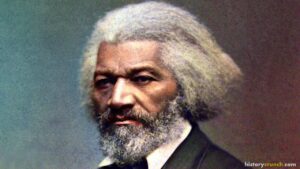
In addition to her work in temperance, Susan B. Anthony also was deeply involved in the American Abolitionist Movement. For instance, she traveled extensively, organizing anti-slavery meetings and gathering signatures for petitions to Congress. Working alongside prominent abolitionists like Frederick Douglass, she helped bridge the gap between the fight for racial equality and gender equality.
SUSAN B. ANTHONY – THE WOMEN’S SUFFRAGE MOVEMENT
Despite her contributions to other causes, the women’s suffrage movement soon became Susan B. Anthony’s primary focus. For example, in 1869, she and Elizabeth Cady Stanton founded the National Woman Suffrage Association (NWSA), which hoped to secure a constitutional amendment granting women the right to vote. Unlike other suffrage organizations that pursued state-by-state campaigns, the NWSA focused on federal legislation, believing that a national amendment was essential for universal suffrage.
Susan B. Anthony famously campaigned for women’s voting rights, delivering speeches, organizing rallies, and lobbying lawmakers. Along the way, she faced considerable opposition and often encountered hostility and ridicule. Despite these challenges, she remained undeterred, driven by her belief in justice and equality.
Furthermore, Susan B. Anthony’s partnership with Elizabeth Cady Stanton was central to the suffrage movement. Together, they edited and published “The Revolution,” a weekly newspaper that advocated for women’s rights and social reforms. Their combined efforts helped build a strong foundation for the suffrage movement and brought national attention to the cause.
SUSAN B. ANTHONY – THE 1872 ELECTION AND LEGAL CHALLENGES
One of the most significant events in Susan B. Anthony’s suffrage campaign was her illegal attempt to vote in the 1872 presidential election. In fact, she and several other women were arrested for casting ballots in Rochester, New York. She argued that the 14th Amendment, which granted citizenship to all persons born or naturalized in the United States, included women’s right to vote. Regardless, her arrest was significant in giving her national exposure. For example, her subsequent trial garnered national attention. In court, she passionately defended her actions, asserting that denying women the right to vote was a violation of their citizenship rights. Despite her eloquent defense, she was found guilty and fined $100, which she refused to pay. This act of civil disobedience highlighted the legal injustices women faced and led to increased support for the suffrage movement.
SUSAN B. ANTHONY – DEATH AND LEGACY
Susan B. Anthony died on March 13th, 1906, at the age of 86. In her later years, Susan B. Anthony continued to advocate for women’s rights and other social reforms. She remained active in the suffrage movement, mentoring younger leaders such as Carrie Chapman Catt, who would eventually lead the movement to victory with the ratification of the 19th Amendment in 1920. Although Susan did not live to see this triumph, her relentless efforts laid the groundwork for this historic achievement.