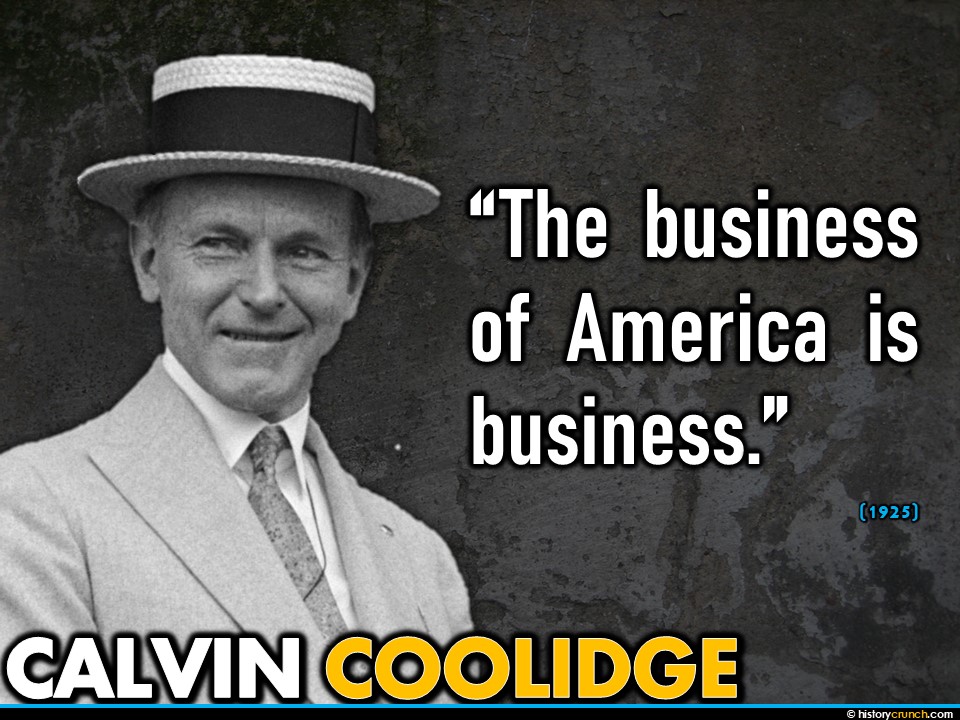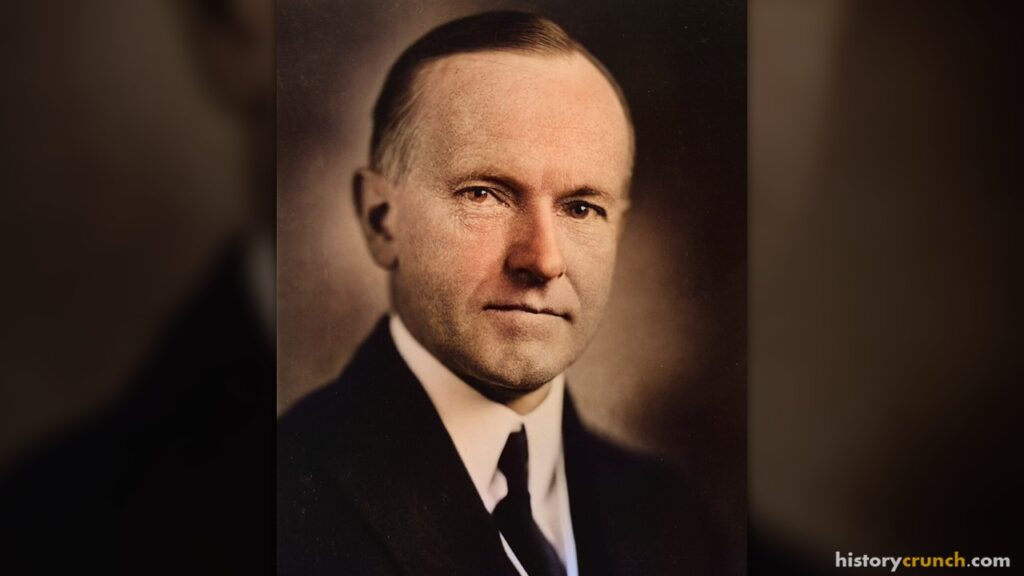
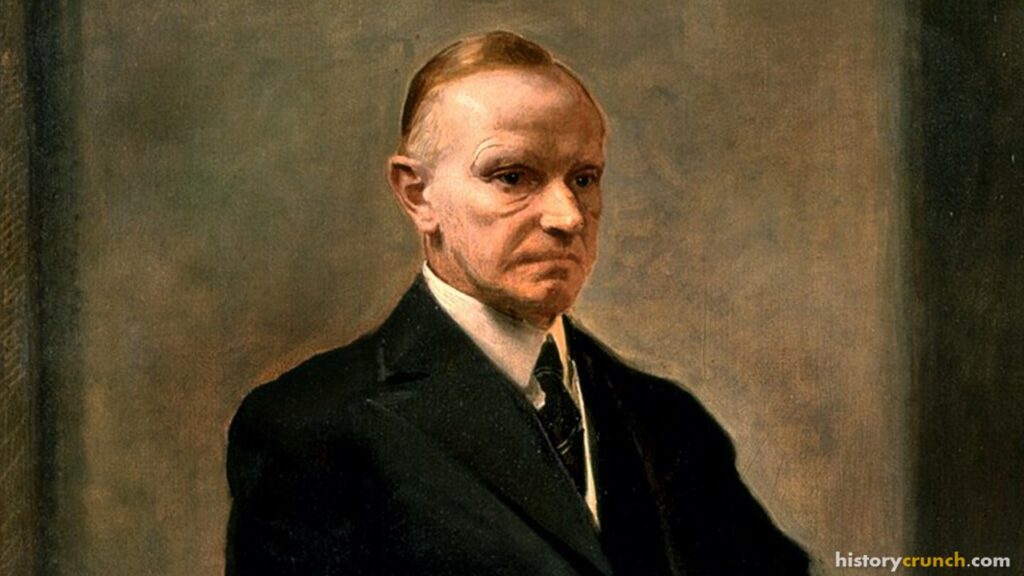
Calvin Coolidge was the 30th President of the United States and served in that role from 1923 to 1929. Known for his quiet and reserved personality, Coolidge was a leader who believed in limited government and the power of the free market. His presidency came during a period of great economic prosperity known as the Roaring Twenties. This biography explores the life, career, and legacy of Calvin Coolidge.
CALVIN COOLIDGE – EARLY LIFE
Calvin Coolidge was born on July 4th, 1872, in Plymouth Notch, Vermont. His father was a farmer and storekeeper. His upbringing in a small, rural community instilled in him values of frugality, hard work, and self-reliance. These are values he carried with him throughout the rest of his life and into his time as President of the United States.
Coolidge attended local schools before enrolling at Amherst College in Massachusetts. At Amherst, he excelled academically and developed an interest in law and public speaking. After graduating in 1895, he moved to Northampton, Massachusetts, to study law and begin his legal career.
CALVIN COOLIDGE – ENTRY INTO POLITICS
Calvin Coolidge’s political career began in Northampton, Massachusetts, where he started as a city councilman in 1898. He quickly moved up the political ladder, serving as city solicitor, clerk of courts, and eventually as a state legislator. His reputation for honesty, efficiency, and dedication to public service earned him respect and support from his constituents.
In 1915, Coolidge was elected Lieutenant Governor of Massachusetts, and in 1918, he became Governor. As governor, he gained national attention during the Boston Police Strike of 1919, where he took a strong stand against the striking officers, asserting that “there is no right to strike against the public safety by anybody, anywhere, any time.” This decisive action boosted his national profile and set the stage for his continued political rise and to the vice presidency.
CALVIN COOLIDGE – VICE PRESIDENT
In 1920, Calvin Coolidge was chosen as the running mate of Republican presidential candidate Warren G. Harding. The Harding-Coolidge ticket won the election, and Coolidge became Vice President. As Vice President, Coolidge maintained a relatively low profile, presiding over the Senate and carrying out the ceremonial duties required by the Vice President. However, that soon changed with the death of President Warren G. Harding from a heart attack and pneumonia.
The unexpected death of President Harding in 1923 thrust Coolidge into the presidency. He was sworn in by his father, a notary public, at the family home in Vermont. Coolidge’s calm and steady demeanor provided stability during the transition, earning him the nickname ‘Silent Cal’.
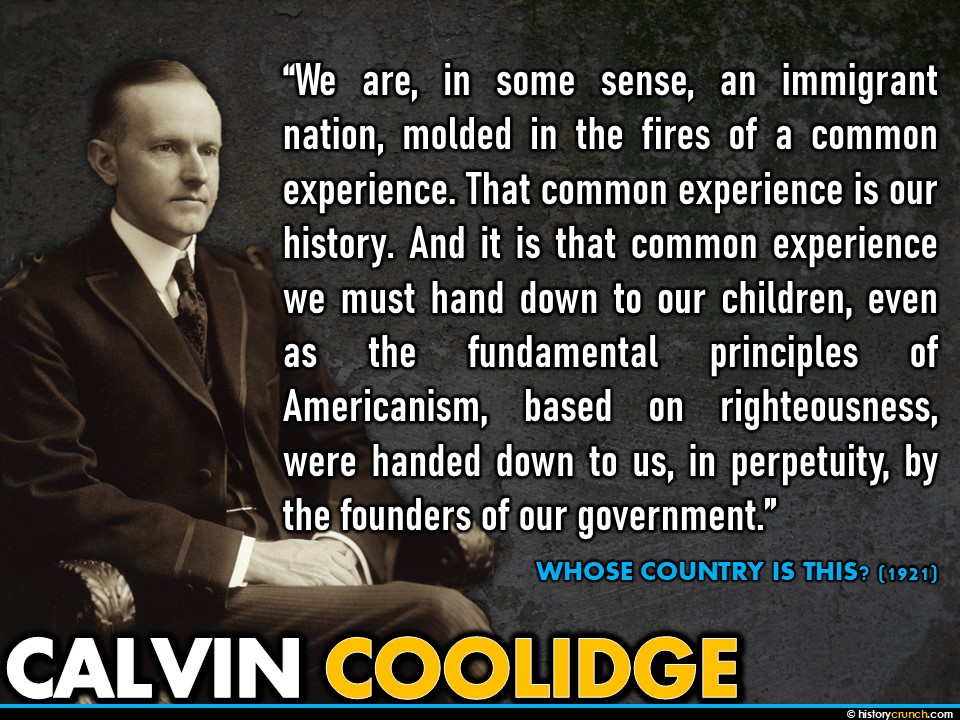
CALVIN COOLIDGE – PRESIDENT OF THE UNITED STATES
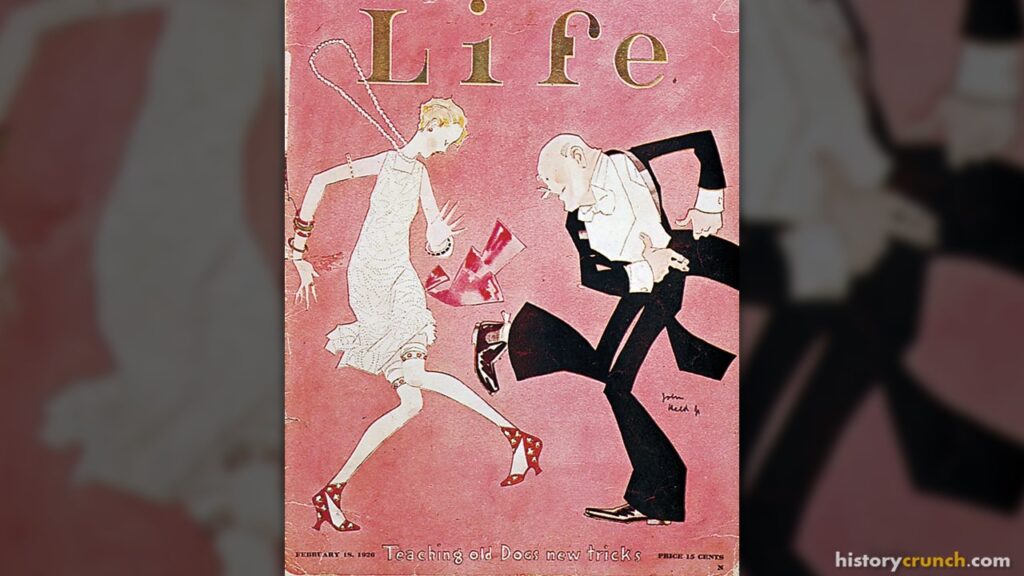
As stated earlier, Calvin Coolidge was President of the United States from 1923 until 1929. During that time, the country was going through an economic boom. As such, Coolidge’s presidency was marked by economic prosperity and a commitment to limited government. In fact, he believed that the best government was one that interfered the least in the lives of its citizens. This philosophy was reflected in his support for tax cuts, reduction of government debt, and deregulation.
Under Coolidge’s leadership, the United States experienced significant economic growth. More specifically, his administration reduced the national debt and cut taxes, which spurred investment and consumer spending. The stock market boomed, and unemployment remained low. Coolidge’s policies were credited with contributing to the economic prosperity of the 1920s, which today is also known as the ‘Roaring Twenties’.
In terms of foreign affairs, Coolidge focused on maintaining peace and stability. This was a popular political stance at the time, as few people had any interest in another war after the devastating effects of World War I. For instance, he supported international disarmament efforts and signed the Kellogg-Briand Pact in 1928, which aimed to renounce war as a tool of national policy. Although the pact ultimately failed to prevent future conflicts, it represented a significant effort towards global peace.
CALVIN COOLIDGE – LATER LIFE AND LEGACY
Coolidge chose not to run for re-election in 1928. After leaving office, he retired to Northampton, where he wrote his autobiography and continued to be involved in public affairs.
Calvin Coolidge died on January 5th, 1933, at the age of 60. His legacy is often debated by historians, but he is generally remembered as a president who believed in limited government, fiscal responsibility, and the importance of individual liberty. His leadership style and policies during a time of economic prosperity have left a lasting impact on American history.