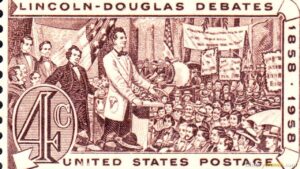
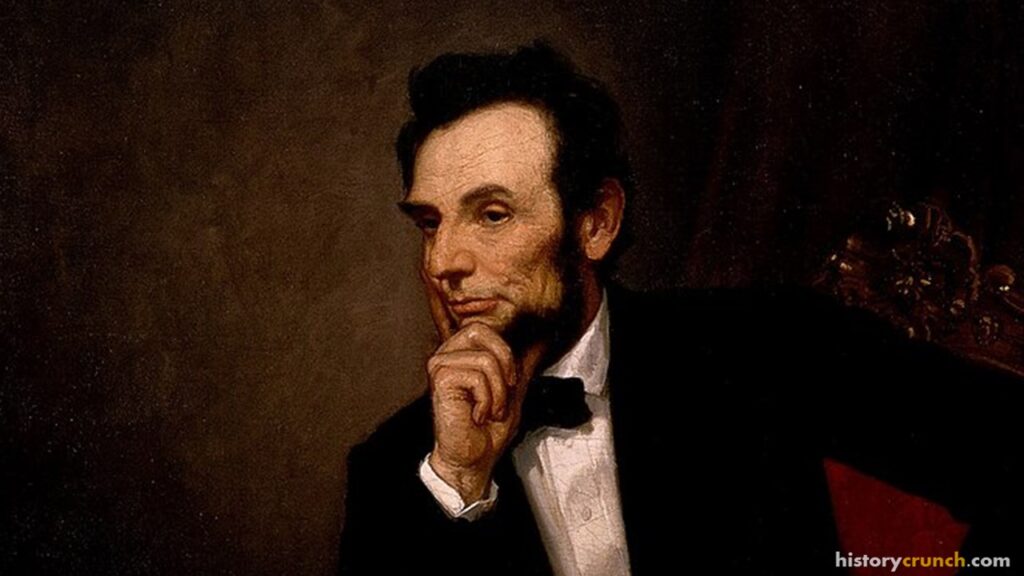
The Gettysburg Address in 1863 is considered to be one of the most important Presidential speeches in American history. Abraham Lincoln was the 16th President of the United States and served in office from March 4th, 1861 until April 15th, 1865 when he was assassinated by John Wilkes Booth. As President, Abraham Lincoln led the country through some of its most conflicted moments. For instance, he was President during the American Civil War, which saw the Northern states (Union) face off against the Southern states (Confederacy) in a series of bloody battles. Lincoln’s Gettysburg Address in 1863 was one of the most memorable moments of his presidency during the Civil War and highlighted the tensions facing the country at the time.
ABRAHAM LINCOLN & THE CIVIL WAR
The American Civil War is one of the most significant events in the entire history of the United States. It occurred from 1861 until 1865 and saw the Northern states (Union) engage in a series of bloody battles with the Southern states (Confederacy). Lincoln played an incredibly significant role throughout the history of the Civil War. For instance, as President of the United States, Lincoln played an important part in the Union’s military response, including appointing generals and discussing military strategy. His main motive at the time was to reunify the country and end the rebellion of the Confederacy as quick as possible.
In fact, during the years of the Civil War, Lincoln made several significant contributions to American history. First was the Emancipation Proclamation, which was a presidential proclamation from Abraham Lincoln that legally freed millions of slaves living in the Southern Confederate states. It took effect on January 1st of 1863, in the midst of the Civil War. Another significant event in 1863 was the Gettysburg Address.
ABRAHAM LINCOLN & THE GETTYSBURG ADDRESS
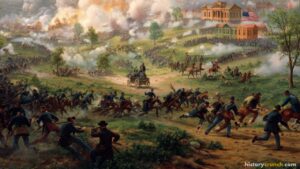
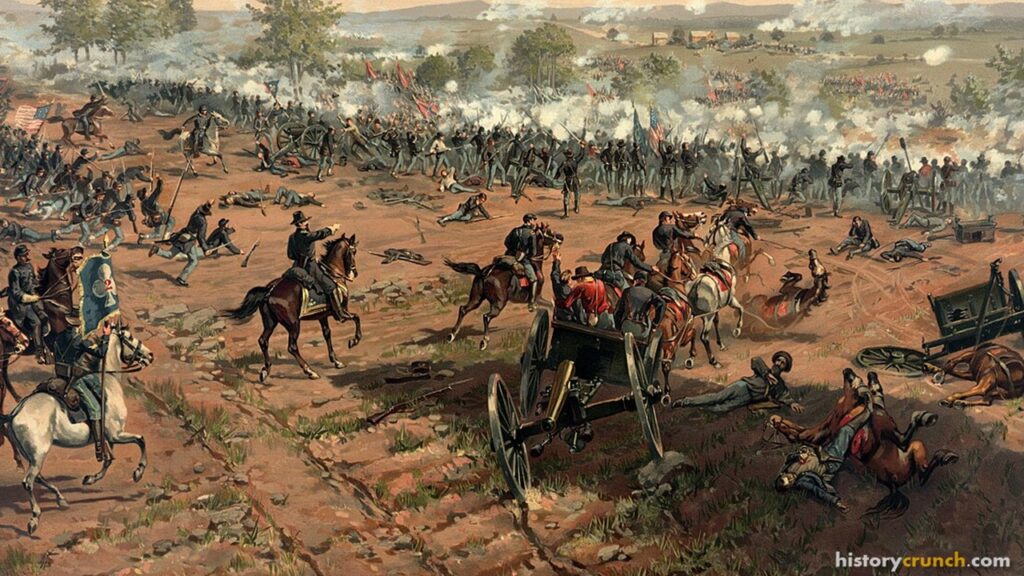
Abraham Lincoln delivered the Gettysburg Address speech on November 19th in 1863. The Battle of Gettysburg, which was one of the most significant battles of the entire Civil War occurred about four months earlier in July. The Battle of Gettysburg was fought between the Union and Confederate forces on July 1st to the 3rd in 1863 and was a particularly bloody conflict between the two sides. In fact, the battle had the largest casualty total of the entire Civil War, with each side suffering over 23,000 casualties. The battle ended with a victory for the Union and eventually helped lead the way for a Union victory in the overall Civil War.
The Gettysburg Address was a dedication ceremony for a soldier’s cemetery in Gettysburg, Pennsylvania. Lincoln’s speech there has since become one of the most famous Presidential speeches in American history. In the famous speech, Lincoln expressed the idea that the Battle of Gettysburg was a significant event in protecting the unity of the nation.
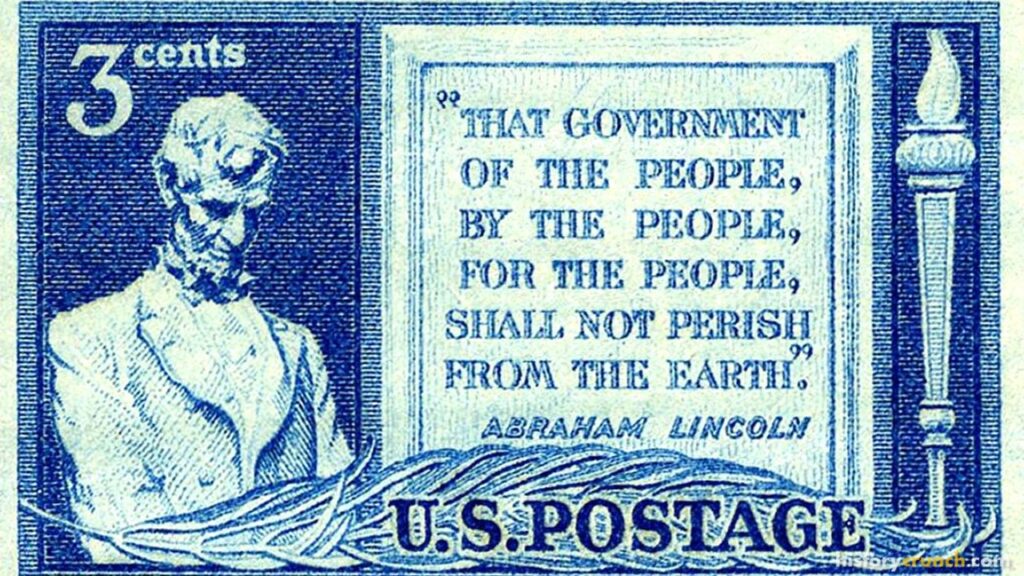
He made links to the Declaration of Independence and discussed the idea of American freedom being at the center of the Union’s actions in the Civil War. For instance, he famously stated that “that these dead shall not have died in vain—that this nation, under God, shall have a new birth of freedom —and that government of the people, by the people, for the people, shall not perish from the earth” in reference to the Union soldiers who died in the Battle of Gettysburg.
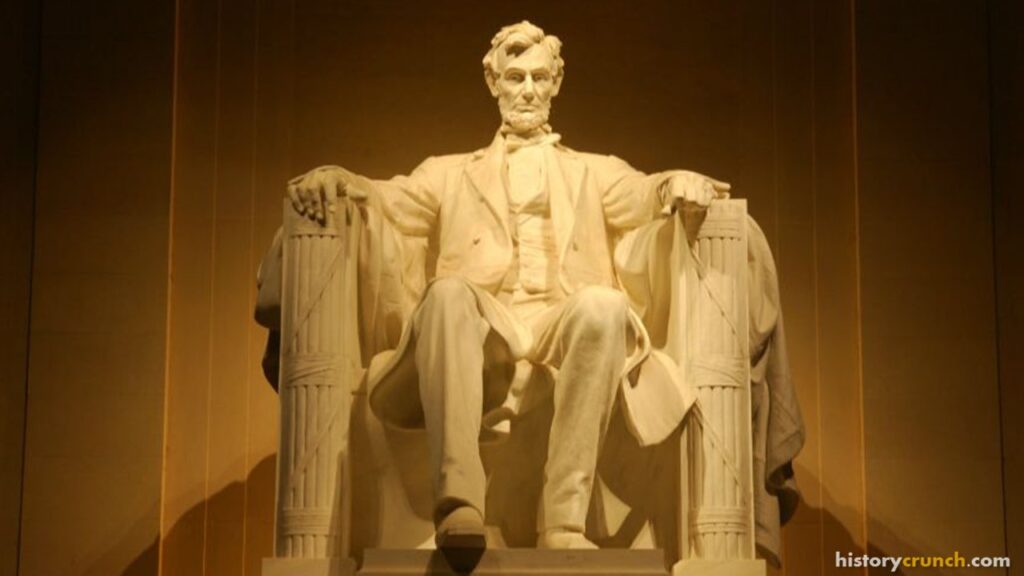
The Gettysburg Address was a relatively short speech at just 271 words. However, it has become one of the most famous presidential speeches in American history and is still studied to this day. In fact, it is inscribed on the Lincoln Memorial. The Lincoln Memorial is located in the National Mall, in Washington D.C., and was built between 1914 and 1922. Inside the large building is a statue of the President to honor his contributions in maintaining the unity of the nation. The words to the Gettysburg Address are inscribed on the wall, and are used as an example of his time as President of the United States.
FULL TEXT OF THE GETTYSBURG ADDRESS BY ABRAHAM LINCOLN
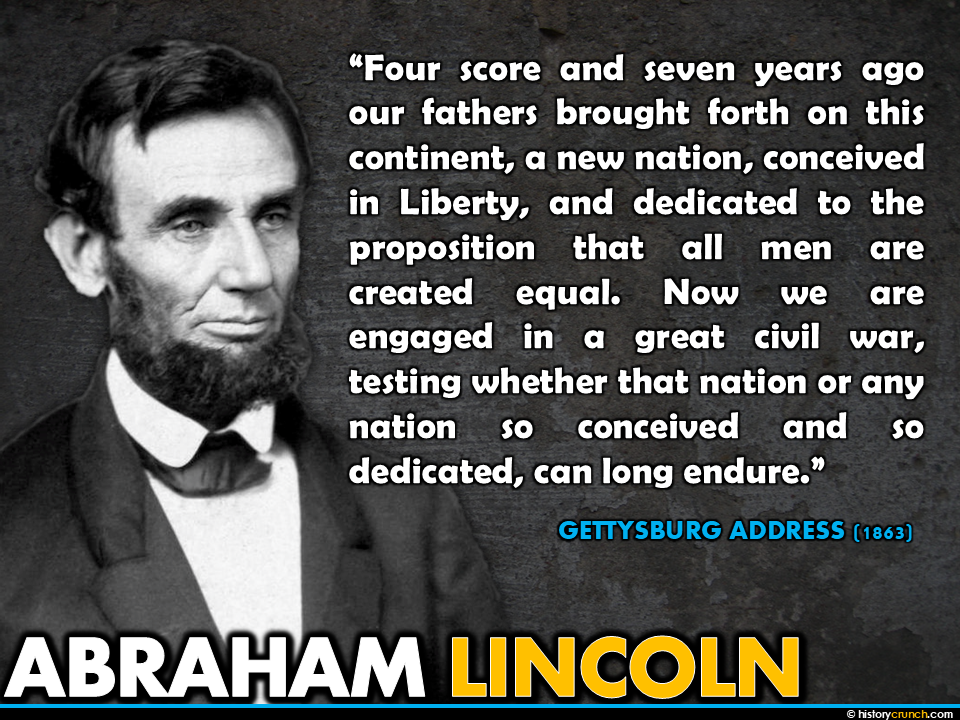
“Four score and seven years ago our fathers brought forth on this continent, a new nation, conceived in Liberty, and dedicated to the proposition that all men are created equal.
Now we are engaged in a great civil war, testing whether that nation, or any nation so conceived and so dedicated, can long endure. We are met on a great battle-field of that war. We have come to dedicate a portion of that field, as a final resting place for those who here gave their lives that that nation might live. It is altogether fitting and proper that we should do this.
But, in a larger sense, we can not dedicate—we can not consecrate—we can not hallow—this ground. The brave men, living and dead, who struggled here, have consecrated it, far above our poor power to add or detract. The world will little note, nor long remember what we say here, but it can never forget what they did here. It is for us the living, rather, to be dedicated here to the unfinished work which they who fought here have thus far so nobly advanced. It is rather for us to be here dedicated to the great task remaining before us—that from these honored dead we take increased devotion to that cause for which they gave the last full measure of devotion—that we here highly resolve that these dead shall not have died in vain—that this nation, under God, shall have a new birth of freedom—and that government of the people, by the people, for the people, shall not perish from the earth.”