The creation of the Magna Carta is one of the most significant events in European history and is of particular importance to the Middle Ages and the development of human rights. It saw the power of the English monarch shift to the people and was a pivotal moment in western history. The full name of the document was called the Magna Carta Libertatum (buts it more more commonly known as ‘Magna Carta’) and translates to ‘the Great Charter of Liberties’.
MAGNA CARTA – SUMMARY
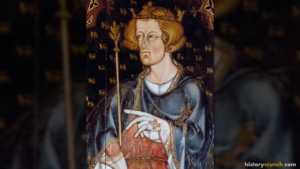
As stated above, the Magna Carta was a document containing rights that limited the authority of King John of England in 1215. More specifically, King John ruled over England as the monarch from 1199 until his death in 1216. King John was not a popular monarch in England, which had led to a great deal of protest again his policies and handling of the country. For example, during John’s reign, England had lost considerable territory in France and suffered embarrassing military defeats. The financial stress of this situation eventually caused northern barons (landowners) in England to revolt against his authority in the later years of his reign. The barons were angered over the expenses that he had cost the country and their responsibility to fund campaigns in France, which they did not view as important in their lives. All of these tensions between the barons and king were escalating to the eventual First Baron’s War that took place from 1215 until 1217. This is significant because the drafting and signing of the Magna Carta were central to these tensions and the anger towards King John.
Under pressure, King John met the barons at Runnymede, England in June of 1215. After several days of drafting the Magna Carta, John finally signed the document on June 15th, 1215. In general, the Magna Carta was initially designed as a tool to end the crisis between the English monarch and the barons, in an attempt to avoid conflict. The Magna Carta failed to end the crisis facing King John, and the First Baron’s War erupted. However, historians have interpreted the Magna Carta as an important moment in English history and the history of human rights. For example, historians point to the major points of the Magna Carta, such as: it promised the protection of church rights, protection for the barons from illegal imprisonment, access to swift justice, and limitations on feudal payments to the Crown. As a result, the Magna Carta is viewed as a significant document in the history of the development of human rights.
MAGNA CARTA – SIGNIFICANCE
Throughout most of human history there were no or very limited human rights. For example, during the Middle Ages, most people in Europe lived within the system of feudalism. Feudalism was a societal system that involved people being ranked into different classes. Under feudalism, the government was dominated by an absolute monarch, in which all power was held within a single king or queen. Under this system, the average citizen was denied basic human rights, because the monarch held all or most of the authority within society. As such, the king could pass laws and carry out actions that today would be considered a violation of our human rights. This is important to understand, because one of the first documents to ever protect rights and limit the authority of the monarch was the Magna Carta.